There’s something special about wandering through a world-class museum or losing yourself in a brilliant gallery for an afternoon.
For culture lovers planning their next trip, knowing which cities really deliver on the museum and gallery front is half the battle. A new global survey of more than 24,000 city dwellers has just ranked the very best places on the planet for both, and the results throw up some genuine surprises alongside the obvious heavyweights. Here’s the full lowdown.
How the rankings were decided
The rankings come from a major worldwide survey of locals living in major cities, who were asked to rate the cultural offerings on their own doorsteps. Rather than relying on guidebooks or tourist opinions, the survey tapped into the people who genuinely know their cities, the ones who actually live alongside the museums and galleries and visit them regularly. That insider angle gives the list a different flavour from typical “best of” travel pieces.
The locals were asked to rate their cities across a range of cultural areas, including music, theatre, comedy, and crucially, museums and galleries. The results were then turned into approval ratings, with cities ranked according to how positively their own residents felt about each cultural area. The result is a truly grounded global ranking, with each city earning its place through real-life enthusiasm rather than marketing hype.
The world’s best city for museums is no real surprise.
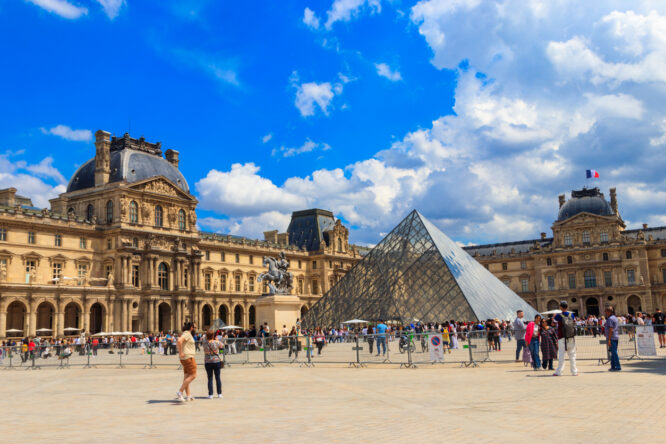
Paris has been crowned the best city in the world for museums, with an impressive 97% approval rating from locals. Anyone who’s ever spent an afternoon at the Louvre, the Musée d’Orsay or the Centre Pompidou won’t be remotely surprised. The French capital simply does museums on a different scale to almost anywhere else, with collections stretching from ancient Egyptian sculptures to cutting-edge contemporary art.
What sets Paris apart isn’t just the sheer scale of its museums, but the way they’re woven into daily life. From the queues snaking around the Louvre’s glass pyramid to the smaller, quirkier collections tucked away in former mansions, museum culture in Paris feels genuinely lived in. It also helped that Paris was named the best city for culture overall in 2025, building on a reputation that’s pretty hard to beat.
The Spanish capital is in close second.
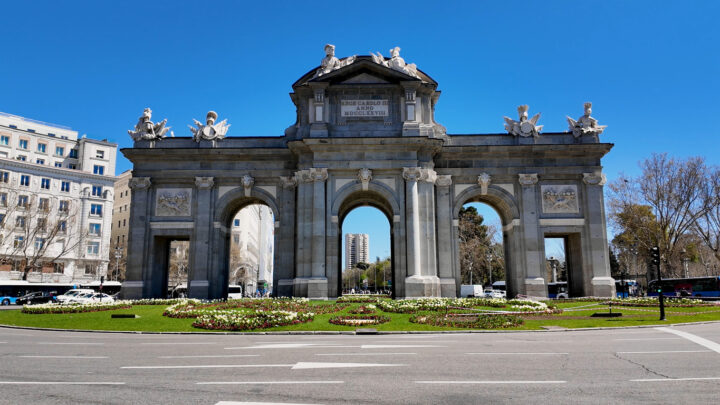
Madrid took second place for museums with a 90% approval rating, edging out London for the silver medal. The Spanish capital is home to the famous Golden Triangle of Art, featuring the Prado, the Reina Sofía and the Thyssen-Bornemisza, all within walking distance of each other. Together, they hold some of the most important Spanish and European art ever produced.
What gives Madrid its edge is its mix of grandeur and accessibility. Many of the city’s most famous works, including paintings by Velázquez, Goya, Picasso and Dalí, are woven into the visitor experience, with friendly opening hours and reasonable ticket prices. The whole museum scene feels less stiff than some of its European rivals, which is exactly why locals rate it so highly.
London takes third for museums, but tops the world for galleries.
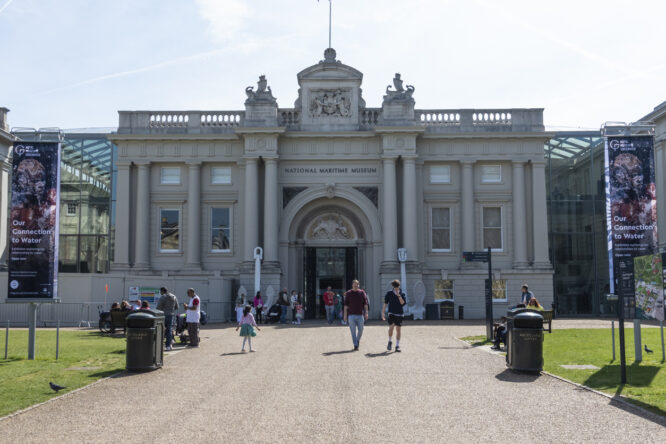
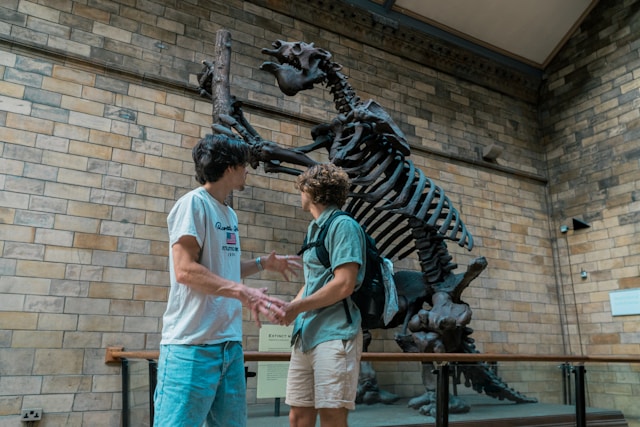
London finished third in the museums category, with 88% approval from its locals, which is no small feat given the city’s enormous variety of competition globally. The capital is home to the British Museum, the V&A, the Natural History Museum and the Science Museum, all of which offer free entry. That accessibility is one of the biggest reasons London does so well across cultural rankings.
But where London really pulls ahead is in the gallery category, where it claimed top spot with an 81% approval rating. The Tate Modern, Tate Britain, the National Gallery and the National Portrait Gallery, alongside an enormous web of smaller commercial and contemporary galleries, give London a genuinely unbeatable art scene. The newly opened V&A East Museum and major exhibitions, including the recent Frida Kahlo show at the Tate Modern, have added even more reasons to visit.
The top ten cities for museums is a well-rounded list.
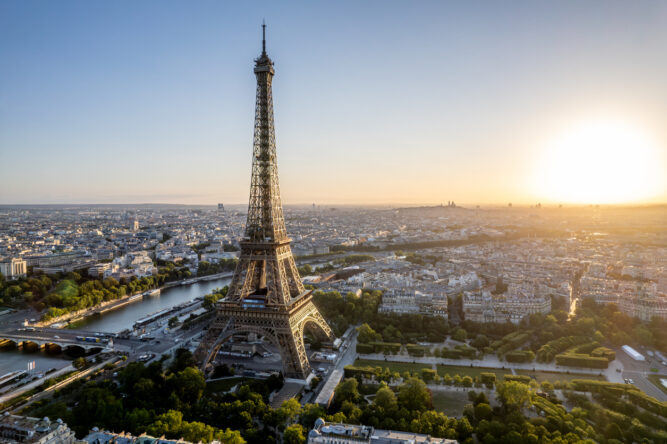
The full top ten for museums reads like a genuine bucket list. Paris, Madrid, and London claim the top three, as mentioned, followed by New York in fourth with 85% approval. New York’s museum scene is anchored by the Met, MoMA, the Guggenheim, and dozens of smaller museums across the city. Chicago takes fifth place with 79%, thanks largely to the Art Institute of Chicago and the Field Museum.
Florence comes in sixth with 78%, no surprise given the city is essentially one giant open-air museum filled with Renaissance treasures. Prague, Budapest, Vienna, and Lisbon round out the top 10, each bringing their own distinct mix of imperial history, modern art and beautifully curated local collections. It’s a varied list, with classical heavyweights sitting alongside lesser-known European gems.
The top ten cities for galleries is equally as impressive.
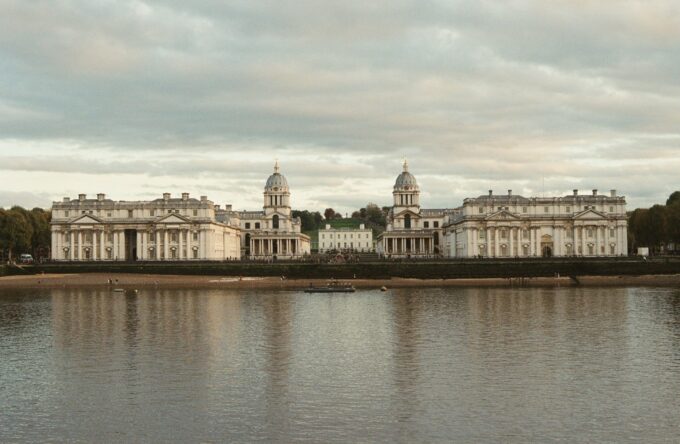
The gallery rankings tell a slightly different story. London comes top with 81%, followed by Paris and New York tied for second with 68%. Florence takes fourth with 63%, with Madrid and Edinburgh tied for fifth at 61%. Edinburgh’s strong showing might surprise some, but the Scottish capital has built a quietly powerful art scene that’s punching well above its weight.
Rome and Melbourne are tied for seventh with 60%, with Prague at ninth on 58% and Washington, D.C. finishing tenth with 56%. The Australian city’s appearance is a brilliant reminder that the global gallery scene isn’t just a European story anymore. Cities across the world are building their reputations through contemporary art, independent gallery districts and serious local investment.
Galleries and museums aren’t quite the same thing.
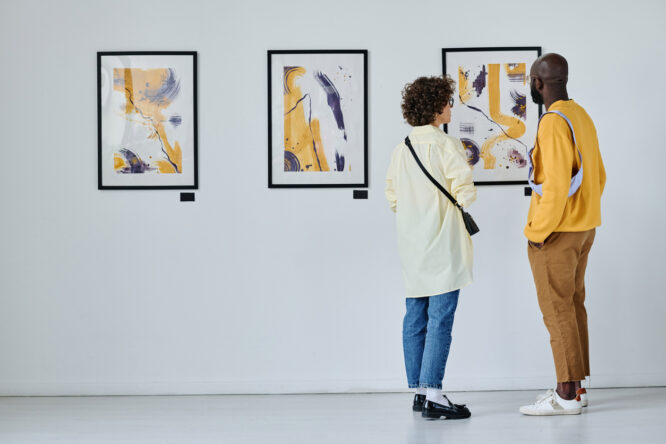
People often use the words “museum” and “gallery” interchangeably, but the survey results highlight just how different they actually are. Museums tend to focus on history, science, archaeology and broader cultural collections, often with educational displays, artefacts and immersive exhibitions. They’re usually larger, often run by governments or major institutions, and feel a bit more academic in tone.
Galleries, by contrast, focus more specifically on art, from old masters to contemporary pieces. They tend to feel more curated, more visual, and often more intimate, especially the smaller commercial galleries you’d find in the trendier corners of any major city. Cities that excel at one don’t always shine at the other, which is partly why Paris dominates museums while London claims the top spot for galleries.
The new V&A East and Frida exhibition is big news for London.
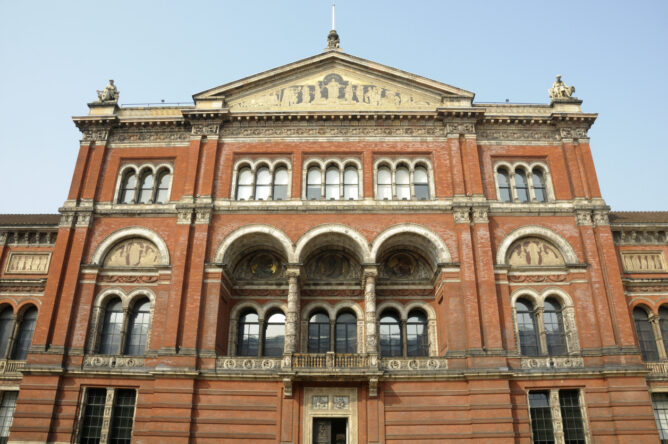
London’s gallery dominance has been given a fresh boost in 2026 with the opening of the V&A East Museum, a brand-new branch of the famous Victoria and Albert designed to bring world-class art and design to East London. The new museum offers free entry and showcases an enormous range of objects from the V&A’s collection, alongside fresh contemporary exhibitions.
Add in the Tate Modern’s huge Frida Kahlo exhibition, which has been pulling in serious crowds and rave reviews, and London’s gallery scene is having a big moment. Combined with smaller institutions like the Whitechapel Gallery and the Photographers’ Gallery, the capital offers something for every level of art interest. It’s no wonder locals are rating it so highly.
Paris remains hard to beat.
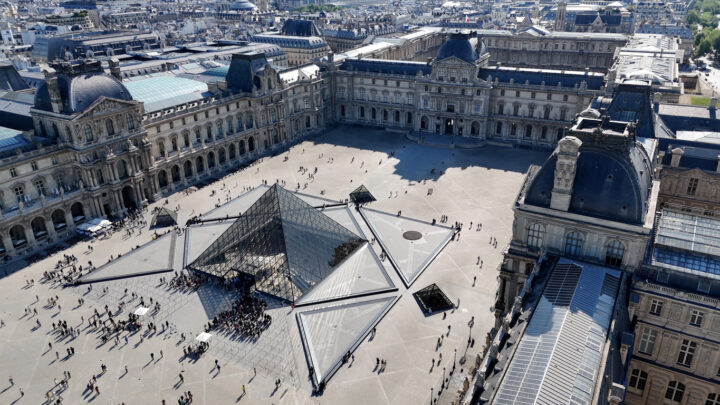
For all London’s gallery success, Paris remains the king of European museum culture. The Louvre alone holds enough world-famous art to fill a holiday, with the Mona Lisa, the Venus de Milo and the Winged Victory of Samothrace among the most photographed objects on the planet. The Musée d’Orsay houses the world’s most extensive collection of Impressionist masterpieces, while the Pompidou Centre handles modern and contemporary art.
There are also smaller treasures dotted across the city, like the Rodin Museum, the Picasso Museum and the Carnavalet, which traces the history of Paris itself. New attractions like La Caverne du Pont Neuf, an immersive installation on the city’s oldest bridge, show that Paris is still pushing creative boundaries. For anyone who genuinely loves art and history, the city remains an essential pilgrimage.
How to make the most of a museum and gallery trip

If you’re planning a trip built around museums and galleries, a few small tips can make a huge difference. Book tickets online in advance wherever possible, since major collections like the Louvre and Tate Modern get genuinely crammed in summer. Going first thing in the morning or in the last few hours before closing is often the calmest experience.
Don’t try to see everything in one visit. The best approach is usually to pick a few must-see pieces or rooms and give them your full attention, rather than racing through galleries in a tired blur. Take breaks when you need them, with most major museums offering decent cafés. And keep an eye out for late-night openings, which can be a brilliantly atmospheric way to experience a major collection without the daytime crowds.