Fibre might be the most underappreciated nutrient in the British diet.
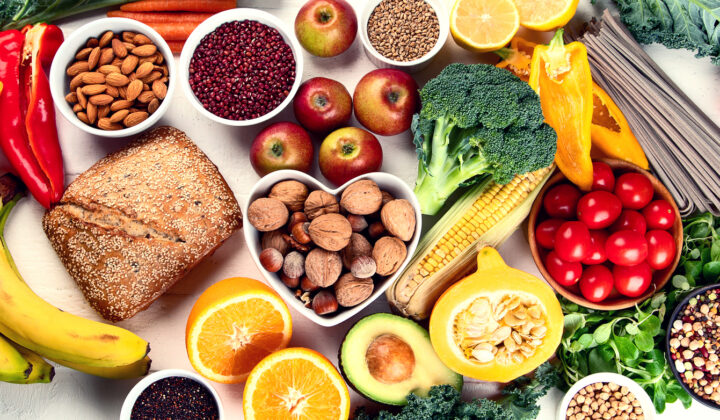
It keeps you fuller for longer, supports gut health, helps balance blood sugar, and quietly does dozens of other useful jobs in the background. The trouble is, most of us aren’t getting anywhere near enough of it. The government recommends adults aim for 30g of fibre a day, but the average UK adult eats just 16 to 18g.
The good news is that snacks are one of the easiest places to slot extra fibre in. Here are seven brilliant high-fibre snacks to keep you full and help you hit your daily target.
Fibre is one of the most important elements of our diets.

Fibre does much more than just keep your digestion ticking over. It helps you feel fuller for longer between meals, which means fewer cravings and less mindless snacking. It supports steadier blood sugar levels, which helps avoid those mid-afternoon energy crashes. It can also help manage cholesterol, support a healthy gut, and reduce the risk of constipation.
The bigger picture is that low-fibre diets have been linked to a whole range of long-term health issues, including heart disease, type 2 diabetes and certain cancers. So this isn’t just about feeling satisfied between meals, it’s about doing your future self a meaningful favour. Snacks are one of the easiest places to slot fibre in, since a few thoughtful swaps can add 8 to 10 grams a day without much effort.
1. Roasted chickpeas or edamame beans
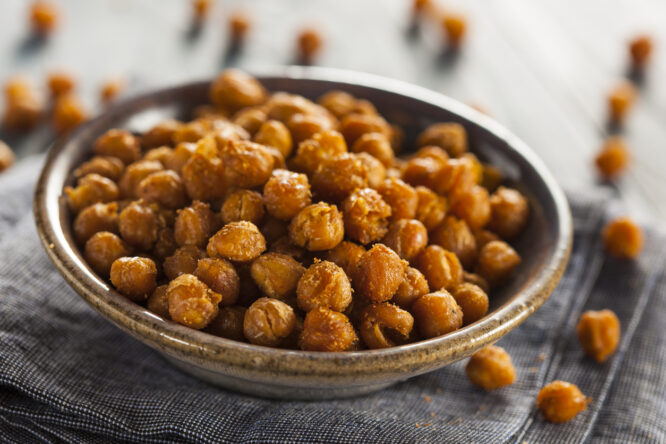
Roasted chickpeas are one of the most underrated snacks going. They’re crunchy, satisfying, and high in both fibre and protein, which makes them a brilliant alternative to crisps. A standard small bag delivers around 5g of fibre, which is a meaningful chunk of your daily target from one small snack.
Edamame beans, the immature soybeans you’ll have spotted in their pods at Japanese restaurants, are just as good. You can buy them frozen or roasted, and they make a brilliant snack on their own with a sprinkle of sea salt. They’re also one of the few plant-based snacks that count as a complete protein, which makes them especially useful for vegetarians and vegans.
2. Apple slices with peanut butter
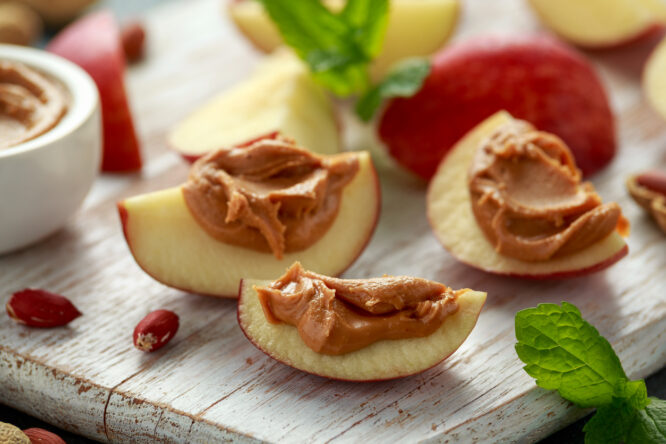
This is the classic afternoon snack that ticks every box. One average apple contains around 2g of fibre, and adding a generous spoonful of peanut butter brings in protein, healthy fats and a satisfying creaminess. The combination of crunch, sweetness, and richness genuinely feels like a treat rather than something you’re forcing down for your health.
The only thing to keep an eye on is portion size, since peanut butter is calorie-dense and easy to overdo. Stick to a tablespoon or two per apple, and look for varieties that contain just peanuts and a pinch of salt, without added sugar or palm oil. Almond butter and cashew butter work brilliantly here too if peanut butter isn’t your thing.
3. Rye crackers with hummus
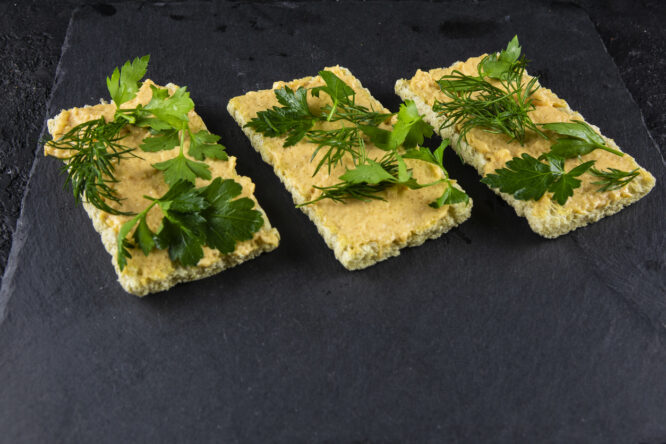
Rye crackers have far more fibre than the typical white flour crackers most people reach for. A couple of decent rye crispbreads will give you around 3g of fibre, and pairing them with hummus adds protein and a bit of richness. The whole combination is filling for not many calories.
Hummus is a brilliant fridge staple to keep around. It’s high in fibre thanks to the chickpeas, full of healthy fats from the tahini and olive oil, and adds protein on top. You can buy it everywhere these days, or make a quick version at home with tinned chickpeas, lemon juice, garlic, tahini and olive oil. Once it’s in the fridge, it works as a base for dozens of snacks.
4. Greek yoghurt with chia seeds and berries
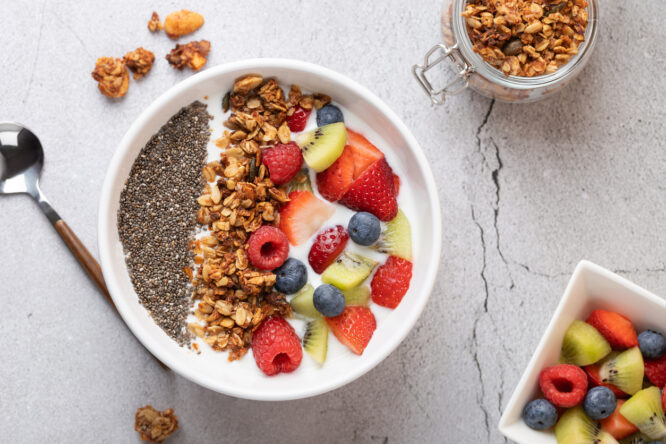
This little combination is a fibre powerhouse without trying very hard. One cup of raspberries contains around 8g of fibre, while one tablespoon of chia seeds brings in another 5g. Stir them into a bowl of thick Greek yoghurt, and you’ve got a snack that contains as much fibre as some people eat in a whole day.
The yoghurt adds a serious hit of protein, which keeps you full for hours. The chia seeds plump up slightly as they absorb the moisture from the yoghurt, giving the whole thing a satisfying texture. Add a small drizzle of honey or a sprinkle of cinnamon if you fancy it sweeter, or chuck in some granola for extra crunch.
5. Popcorn

Most people don’t realise that plain popcorn is a wholegrain, which means it’s surprisingly high in fibre. A small bag of lightly salted popcorn can deliver around 2 to 3g of fibre, which is more than you’d guess from something that feels like a treat. It’s also one of the lower-calorie snacks going, especially compared to crisps or biscuits.
The trick is sticking to plain or lightly salted varieties rather than the heavily sweetened or cheese-flavoured ones. Toffee and butter popcorn are essentially desserts dressed up as a healthy snack. Making your own at home on the hob with a tiny bit of oil is cheap, takes about five minutes, and gives you total control over how it’s seasoned. A pinch of paprika or some nutritional yeast is brilliant.
6. Mixed nuts and seeds
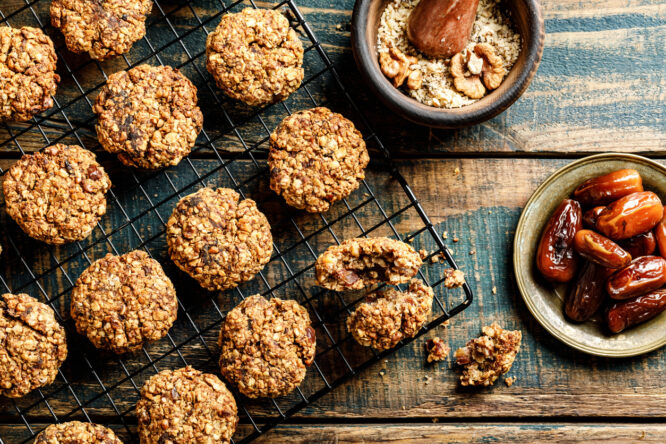
Nuts and seeds are some of the easiest fibre-rich snacks to stash in your bag, drawer, or glove box. Almonds bring around 3g of fibre per small handful, and pistachios are particularly fibre-rich. Pumpkin seeds, sunflower seeds and flaxseeds all add even more, along with plenty of healthy fats and protein.
A small handful of mixed nuts and seeds, or a homemade trail mix with a few dried fruits and a sprinkle of dark chocolate chips, makes a brilliant grab-and-go option. There are also plenty of nut and seed bars on the market that pack in a proper hit of fibre, just check the label to avoid ones loaded with added sugar. A good bar can easily deliver 6 to 8g of fibre in one go.
7. Oatcakes with cottage cheese

Oatcakes are one of those quiet hero snacks that deserve more attention. Oats contain a particular type of soluble fibre called beta-glucan, which has been linked with helping to lower cholesterol. A couple of decent oatcakes will give you 2 to 3g of fibre, and topping them with cottage cheese brings in a brilliant hit of protein.
The flavour combination works surprisingly well. Cottage cheese has gone from school dinner reject to genuine wellness darling in recent years, and for good reason. It’s high in protein, low in fat, and really filling. Add a drizzle of honey, a few crushed walnuts and some sliced figs or berries on top for a snack that feels like something out of a posh café.
How to actually build the habit

Most of us don’t need a whole diet overhaul to hit the 30g fibre target, just a few smart swaps every day. Add chia seeds to your morning yoghurt, choose oatcakes over biscuits, swap crisps for roasted chickpeas, and keep nuts or seeds within easy reach for when the snack urge hits. None of this requires extra time or expensive ingredients.
One important note before you suddenly double your fibre intake. Increasing fibre too fast can cause bloating, wind and digestive discomfort, especially if you have a condition like IBS. Build it up gradually over a few weeks rather than going all in overnight. Drink plenty of water alongside it, too, since fibre works much better when your body has enough fluid to move it along. Slow and steady wins the race, and your gut will thank you for it.