For anyone with a dog, the one heartbreaking truth we all face is that their lives are far too short.
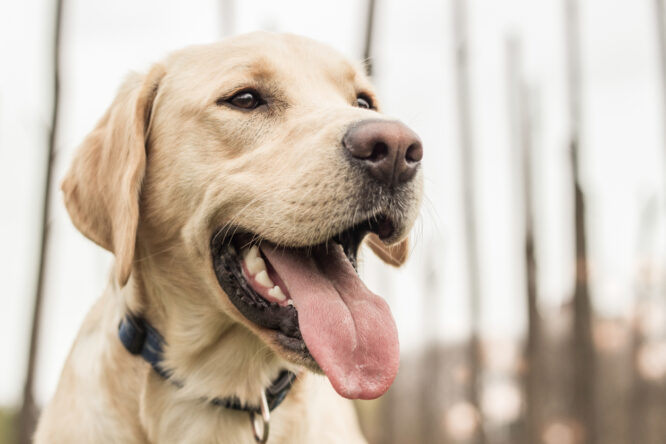
The good news is that there are simple things you can do at home that can genuinely extend your dog’s lifespan. Vets have been quietly pointing out for years that some of the most powerful health habits don’t cost much and can be slotted into everyday life without much fuss.
Here are the three things that experts say can make the biggest difference, plus a handful of other small tweaks that can give your dog the best possible chance of a long, healthy life.
Keep your dog at a healthy weight.
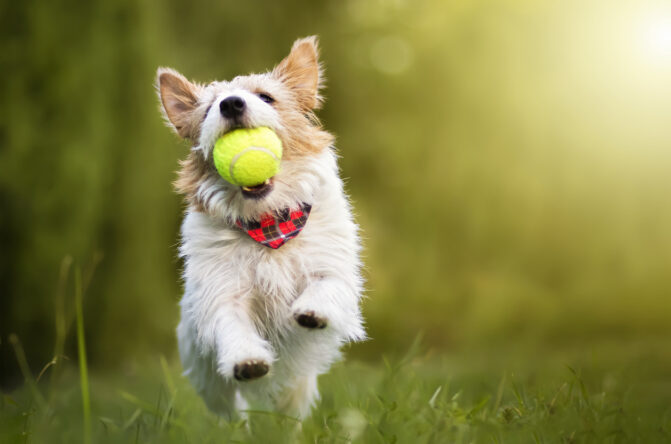
The single biggest thing you can do for your dog is keep them at the right weight. Studies have shown that dogs that are overfed and overweight live on average around two years less than dogs kept at a healthy weight. That’s a significant chunk of their already short lives, and it’s almost entirely within an owner’s control.
Carrying extra weight puts strain on your dog’s joints, heart, lungs and internal organs. It also increases the risk of diabetes, certain cancers, and arthritis later in life. The simplest way to check whether your dog is the right weight is to feel their ribs. You should be able to feel them easily with a gentle press, but not see them sticking out. If you can’t find their ribs without really pressing, it’s time to cut back on portions and treats.
There’s one kind of exercise that genuinely helps.
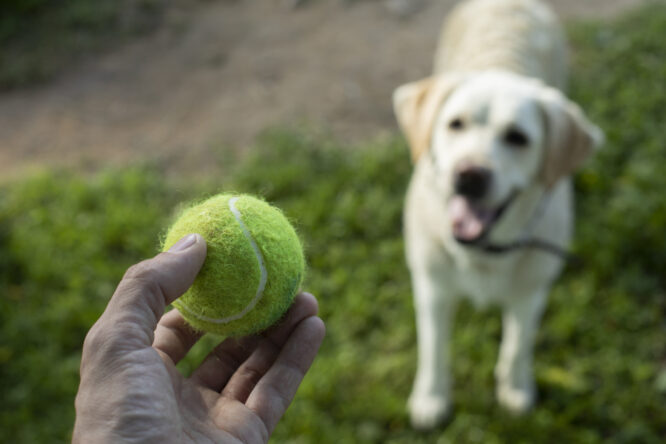
Regular, moderate exercise is the second pillar of a long doggy life. This doesn’t mean running marathons or chasing tennis balls for hours, especially as your dog gets older. In fact, that kind of high-intensity exercise can actually cause harm to older dogs, leading to joint problems and injuries that can shorten their lives rather than extend them.
What dogs really benefit from is consistent, controlled, daily exercise at a moderate pace. Two decent walks a day, gentle play sessions, and the chance to sniff around and explore are exactly what their bodies and brains need. Daily movement supports their immune system, keeps their muscles strong, helps maintain a healthy weight, and keeps their minds sharp well into old age.
The right supplements for your dog’s age can make a big difference.
Even the best modern dog foods only provide the minimum nutrients dogs need to get by, rather than the optimum amounts to help them thrive. That’s where the right supplements come in, especially as your dog gets older. The three areas vets often suggest focusing on are inflammation, dental health and joint care.
A high-quality omega-3 supplement helps reduce general inflammation in the body, which supports everything from skin health to joint comfort. A dental powder added to their food can help slow the build-up of tartar and keep their teeth and gums healthier for longer. A comprehensive joint supplement, usually containing things like glucosamine and chondroitin, can support older dogs whose joints are showing wear. Always speak to your vet before starting any new supplement, especially if your dog has existing health conditions or is on medication.
Owners often skip out on important dental care.
Most dog owners don’t realise just how much dental health affects overall lifespan. Dental disease is one of the most common conditions in dogs, and it doesn’t just stay in the mouth. Bacteria from infected gums can travel through the bloodstream and damage the heart, liver, and kidneys over time. Looking after your dog’s teeth is important for keeping their whole body healthy.
Brushing your dog’s teeth a few times a week with a dog-specific toothpaste is the gold standard, though plenty of dogs aren’t keen on it. Dental chews, water additives and dental powders all help if brushing isn’t realistic, and regular check-ups with your vet will catch any issues before they get serious. A professional clean every few years can make a huge difference, particularly for smaller breeds prone to gum disease.
Mental stimulation matters as much as physical.
A bored dog is a stressed dog, and stress takes a real toll on health over the years. Dogs that aren’t mentally stimulated can develop anxiety, destructive habits and even depression. They can also age noticeably faster than dogs whose brains are kept active and engaged with regular play, training and new experiences.
Puzzle feeders, scent games, training sessions and varied walking routes all give your dog the mental workout they need. Even simple things like swapping toys around so they feel fresh, hiding treats around the house, or teaching a new command every few weeks can keep their minds sharp. Older dogs especially benefit from gentle daily challenges, which can help reduce the risk of canine cognitive decline.
Regular vet checks save lives.
One of the easiest ways to extend your dog’s life is taking them to the vet regularly, not just when something looks wrong. Many serious conditions, including kidney disease, heart problems and some cancers, are far easier to treat when caught early. Annual check-ups, or every six months for older dogs, give vets a chance to spot problems before they become severe.
Routine health checks usually include weighing, dental examination, listening to the heart and lungs, and checking joints and mobility. As your dog gets older, your vet may also suggest occasional blood tests to monitor liver and kidney function. None of this takes long, and the peace of mind alone is worth the trip. Plenty of dogs have had their lives extended by years simply because a vet spotted something during a routine visit.
Stress, sleep, and the calmer dog life
Just like with humans, chronic stress takes a quiet toll on a dog’s body over time. Dogs that live with constant anxiety, whether from loud environments, unpredictable routines, or being left alone for long stretches, often have weaker immune systems and shorter lives. A calm, stable home life genuinely matters for their long-term health.
Make sure your dog has a quiet, comfortable space they can retreat to, predictable feeding and walking times, and plenty of reassurance during stressful events like fireworks or thunderstorms. Quality sleep is just as important as quality wakeful time. Dogs need around 12 to 14 hours of sleep a day, with older dogs needing even more. Disturbed sleep over long periods can affect their mood, immune system, and overall lifespan.
Watch out for treats and human food.

A big part of keeping your dog at a healthy weight is being honest about how many treats they’re actually getting. A few biscuits here, a corner of toast there, the odd bit of cheese from the chopping board, and suddenly, your dog has eaten an extra 30 per cent of their daily calories without anyone noticing. Treats should never make up more than around 10 per cent of their total daily food intake.
It’s also worth knowing which human foods are genuinely dangerous. Grapes, raisins, chocolate, onions, garlic, xylitol, and macadamia nuts can all be toxic to dogs, sometimes even in small amounts. If you’re not sure whether something is safe, a quick check online or with your vet is well worth the effort. Sticking to dog-specific treats and proper meals is by far the safest approach.
The breed factor and what you can control
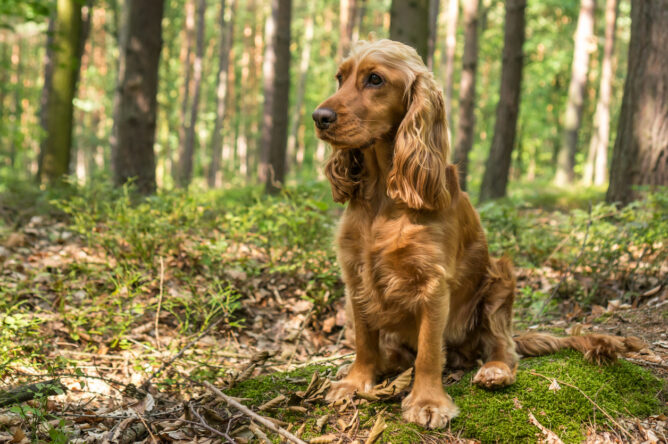
It’s worth being realistic that some of how long a dog lives is shaped by genetics. Smaller breeds typically live longer than giant breeds, and some breeds are more prone to certain inherited conditions than others. Knowing what your particular breed is likely to face means you can keep an eye out for the warning signs and tackle issues early.
But even within those genetic limits, the lifestyle choices you make as an owner can shift the needle by years. Two dogs of the same breed and age can have very different lifespans depending on how they’ve been fed, exercised, cared for and loved. The everyday choices you make matter far more than people realise, and they add up over a lifetime to give your dog the best possible chance.
Small habits add up to a long, happy life.
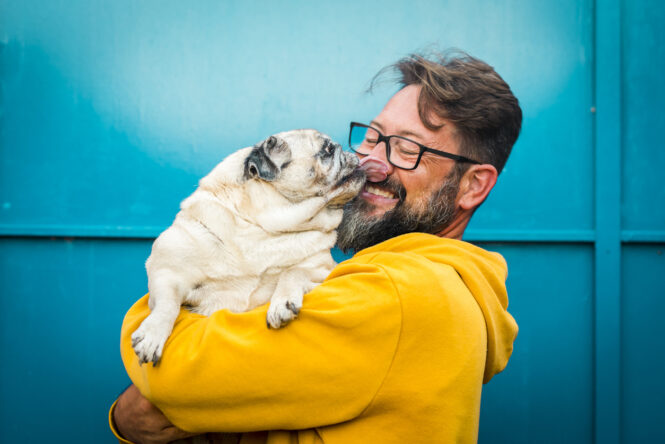
The truth about dog longevity is that it isn’t about one big secret or expensive piece of kit. It’s a steady combination of healthy weight, daily movement, decent nutrition, mental stimulation, regular vet care and a stable, loving home. None of it is glamorous, but all of it works.
Most dog owners would happily do anything to give their pet more healthy years. The good news is that the things that genuinely help are already within reach. Watching their portions, getting them out for a daily walk, brushing their teeth, keeping an eye on their joints, and giving them plenty of attention are all easy to start tomorrow. Done consistently, those small daily habits can quietly add years to your dog’s life, and a whole lot more joy to yours along the way.