If hay fever season has you reaching for the tissues every five minutes, you’re definitely not alone.

Around one in four UK adults gets caught out by seasonal allergies, and the spring and summer months can feel like a never-ending sneezefest. While medication and air purifiers do most of the heavy lifting, what you eat genuinely matters too. Certain foods can help calm your symptoms down. Here are some worth working into your week.
What’s actually happening when allergies hit

To understand why food can help, it’s worth knowing what your body is doing in the first place. When pollen drifts up your nose, your immune system mistakes it for something dangerous, a bit like it would treat a virus or bacteria. To fight it off, it releases chemicals called histamines, and those histamines are what cause all the classic misery: the runny nose, the itchy eyes, the sneezing, the blocked sinuses.
The trick to easing symptoms is dampening down that overreaction. Some foods carry natural compounds that help your body manage the histamine response, calm inflammation and support a steadier immune reaction.
Turmeric is great for cooling down inflammation.
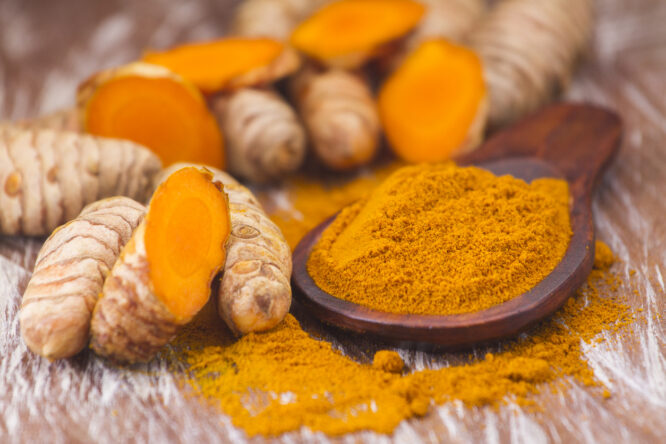
Turmeric is the bright yellow spice you’ll spot in curries, and it’s an unexpected superstar when it comes to soothing allergy symptoms. The key ingredient inside it is curcumin, which has properly impressive anti-inflammatory powers. Inflammation is a big part of what makes your nasal passages swell and feel blocked during allergy season, so calming that down can make a real difference.
Curcumin may also help slow the release of histamines in the first place, which is even better news. The one catch is that turmeric isn’t easy for your body to absorb on its own. Pairing it with a pinch of black pepper makes a huge difference, since pepper contains a compound that helps the curcumin get to work properly. A simple turmeric latte, a sprinkle into scrambled eggs or a turmeric-heavy curry once or twice a week is an easy way in.
Oranges and other vitamin C heroes can make a difference.

Vitamin C is one of those nutrients that has a finger in pretty much every health pie, and allergies are no exception. It actually acts as a natural antihistamine, helping reduce that blocked-up, red-eyed feeling that mirrors what shop-bought allergy tablets do. It also helps your body break down histamine that’s already been released, so the symptoms ease off faster.
Oranges are the classic source, but you’ll get just as much, often more, from kiwis, strawberries, bell peppers, broccoli, and blackcurrants. Throwing a handful of berries onto your porridge, snacking on a satsuma or having a salad with peppers in it through the spring is genuinely useful. Little daily doses tend to work better than the odd big hit.
Red onions and other quercetin-rich foods shouldn’t be overlooked.
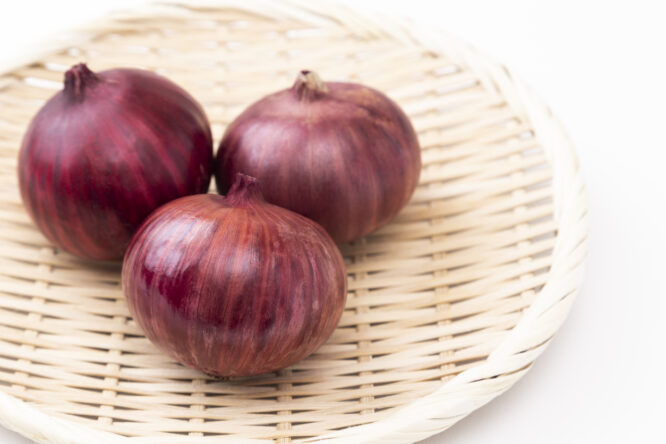
This one is less talked about, but worth knowing. Red onions contain a natural plant compound called quercetin, which can help stop your body releasing histamine in the first place. That means it may take the edge off the nasal symptoms in particular, the running, blocking, and sneezing that hay fever brings.
Quercetin also shows up in apples, grapes, berries, red cabbage and capers, so there are plenty of ways to work it in. A salad with red onion, apple, and a few berries on top is a quercetin powerhouse without you even thinking about it. Cooking lots of red onion into pasta sauces, stews and stir fries is another easy route.
Sardines and other oily fish are surprisingly good.
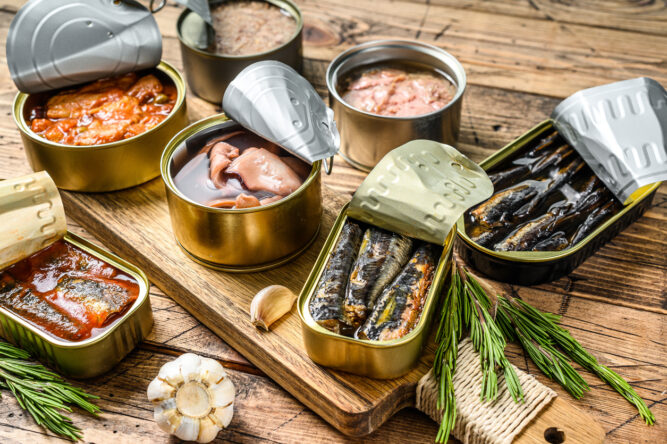
Oily fish like sardines, mackerel, salmon, and trout are loaded with omega-3 fatty acids, which are brilliant at calming inflammation throughout the body. They also help support the cell membranes that release histamine, making them a bit less twitchy when an allergen comes along. The result is a steadier, less reactive response, which often means fewer symptoms.
Tinned sardines on wholegrain toast with a squeeze of lemon is one of the cheapest, easiest meals going, and it slips a proper dose of omega-3 into your day. Aiming for two portions of oily fish a week is the standard guidance, and it pays off in lots of other ways too, from your brain to your heart.
Local honey and the bee theory are worth considering.
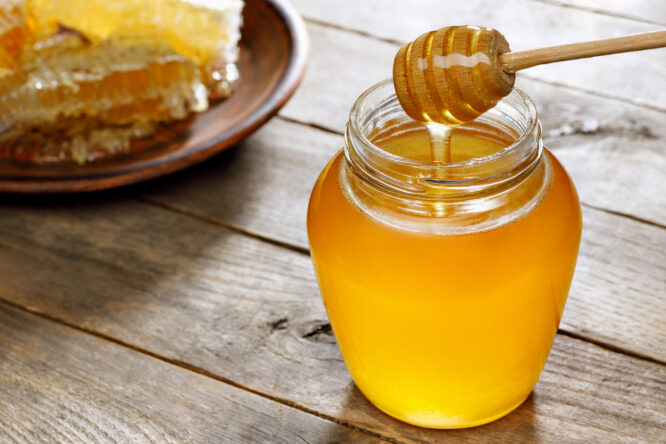
This one is a bit more folklore than firm science, but plenty of UK hay fever sufferers swear by a daily spoon of local honey. The idea is that local bees gather pollen from local flowers, so honey from your area contains tiny amounts of the very pollen making you sneeze. In theory, that helps your immune system get used to it over time.
The research is mixed, with some studies suggesting it can help and others showing no real effect. What it definitely doesn’t do is harm you, and a teaspoon stirred into tea or drizzled on yoghurt is a pleasant little ritual either way. Just keep it for over-ones, since honey isn’t safe for babies under twelve months.
Live yoghurt and other fermented foods can be of use.
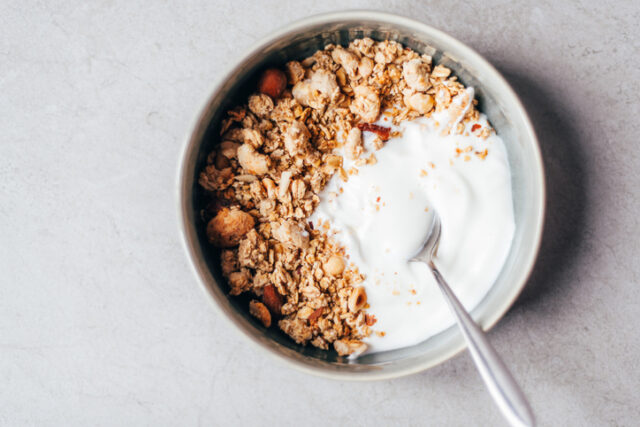
Your gut and your immune system are far more closely linked than most people realise. A healthy gut helps regulate how strongly your immune system reacts to things, including allergens. Live yoghurt, kefir, sauerkraut, kimchi and a small glass of kombucha all carry friendly bacteria that can help keep your gut in good shape.
Building a few of these into your routine during allergy season can support a calmer immune response. A daily pot of live yoghurt with some berries and a few seeds tipped on top is a brilliant little allergy-season breakfast, ticking the gut, vitamin C and omega boxes in one go.
Green tea can be used for a steady daily lift.
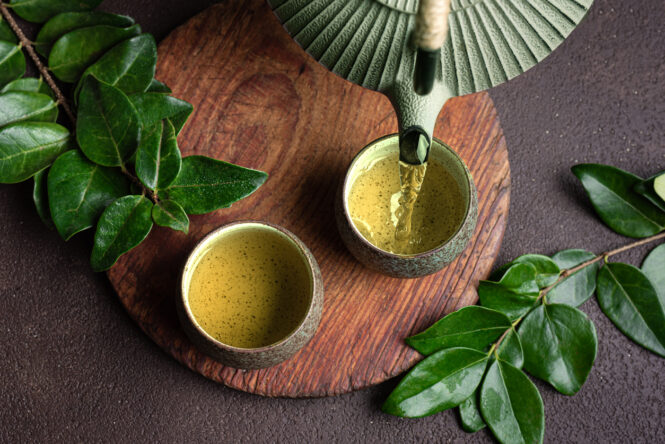
A daily green tea is another small habit that may help during allergy season. It contains a natural compound called EGCG, which has been shown to help block the production of histamine and slow down the reactions that cause allergy symptoms. It also brings a gentle dose of antioxidants that support your immune system more broadly.
A couple of cups a day is plenty, and it pairs nicely with a slice of lemon for a vitamin C boost or a stir of honey if you want a smoother flavour. If you’re not keen on the taste, matcha is a stronger, more concentrated form that can be added to smoothies or porridge.
Pineapple is great for that blocked-up feeling.
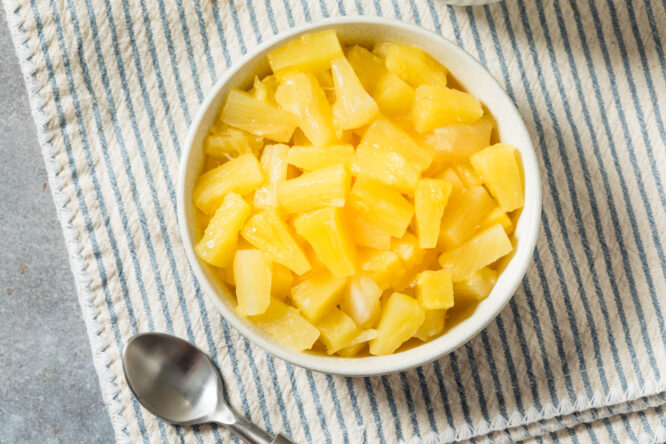
Pineapple has a bit of a secret weapon called bromelain, an enzyme that has been linked with reducing inflammation in the airways and easing sinus congestion. While the research is still building, plenty of allergy sufferers find a few chunks of fresh pineapple help take the edge off that heavy, blocked feeling. It’s also packed with vitamin C, so you’re getting two helpful things in one.
Tinned pineapple works too, though fresh has more of the active enzymes. A handful in a smoothie, on a salad or even on top of yoghurt is a tasty way to add it in.
There are foods that might make things worse.

While certain foods help, there are a few that can make allergy symptoms feel worse. Alcohol can make hay fever worse for many people, partly because it contains histamines and partly because it leaves you a bit dehydrated. Cheese, particularly aged ones, also contains natural histamines that can ramp up symptoms in sensitive people.
Processed and sugary foods can stir up inflammation in the body, which is exactly what you don’t want during allergy season. None of this means giving anything up forever, but cutting back a little in the worst weeks can sometimes bring noticeable relief.
Food works alongside, not instead of, medication.

It’s worth being honest about what food can and can’t do. None of these foods will cure hay fever or replace a proper antihistamine when you need it. What they can do is back up everything else you’re already doing, including taking your meds, keeping windows shut on high pollen days and rinsing your face when you come in from outside.
Think of food as subtle support working in the background, helping your body cope a bit better and easing the load on your immune system. Over a season, those daily small choices really add up.
You can easily put it all together as a daily routine.

You don’t have to overhaul your entire diet to get the benefits. A few small additions to what you’d normally eat is plenty. A breakfast of live yoghurt with berries and seeds, a curry with plenty of red onion and turmeric once a week, sardines on toast for a quick lunch, a daily orange or kiwi, and a couple of green teas instead of one of your usual brews.
None of this is over-the-top or expensive, but together it creates a steady, anti-inflammatory pattern that gives your immune system a calmer base to work from. Over the worst weeks of hay fever season, that support can be the difference between a manageable spring and a miserable one.