Nobody walks down the aisle thinking about a split, but we all know how easily the grind of normal life can cause two people to drift apart.

The happiest couples do not possess a magical secret; they simply stick to a handful of straightforward, intentional habits that protect their bond from daily wear and tear. It comes down to how they handle the boring bits, the way they argue, and how they show up for each other when things get stressful.
If you want to make sure your relationship stands the test of time, focusing on the practical, everyday behaviours of the happiest couples is the best way to keep your connection genuinely strong.
They keep the small kindnesses going.
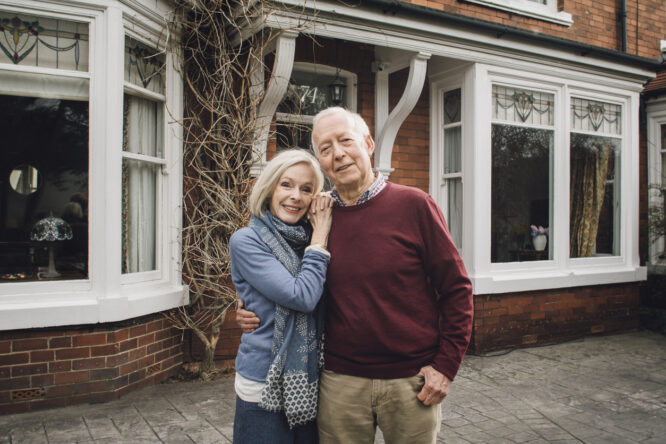
The couples who stay together don’t save the love for special occasions. Instead, they sprinkle it through the everyday, with quick texts, a cup of tea brought through without being asked, a kiss as they walk past, a hand squeeze in the supermarket. These tiny gestures barely register on their own, but they pile up into a real sense of being looked after.
Research on long-lasting couples has found that small, positive moments matter far more than big romantic gestures. It’s the daily proof that you still like each other, not just love each other, that holds a marriage together.
They turn towards each other instead of away.

Throughout the day, one partner will subtly ask for connection in tiny ways. Pointing out a bird at the window, sharing a story from work, sighing about a slow checkout queue. The successful couples respond, even just with a smile, a hum or a quick comment. The struggling ones tune it out, looking at their phone or grunting without looking up.
Therapists call this “turning towards” each other, and it sounds like nothing, but over the years it’s the difference between feeling close to your partner and feeling like flatmates. It’s the simplest habit on the list, and easily one of the most powerful.
They keep five positive moments for every difficult one.

Researchers who’ve studied couples for decades have found a striking ratio. In healthy marriages, there are roughly five positive interactions for every negative one. That doesn’t mean they never row or have bad days, it means the everyday baseline is warm enough to soak up the rough patches.
Compliments, jokes, affection, gratitude, shared silliness, all of these tip the scales. When the balance dips too far the other way, the marriage starts to feel cold, even if nothing major has happened. Lasting couples instinctively keep topping up the good side of the scales without even thinking about it.
They argue without going for the throat.

The couples who last absolutely do argue, sometimes a lot. The difference is how they argue. They stick to the actual problem rather than attacking each other’s character. They avoid the four particularly damaging habits that have been flagged time and again, which are sharp criticism, defensive deflecting, contempt and shutting the other person out completely.
Even in a heated moment, they manage to stay on the same side. The aim isn’t to win the row, it’s to sort out the issue and get back to feeling close. That distinction is what separates a marriage that can take an argument from one that can’t.
They show real interest in each other’s lives.
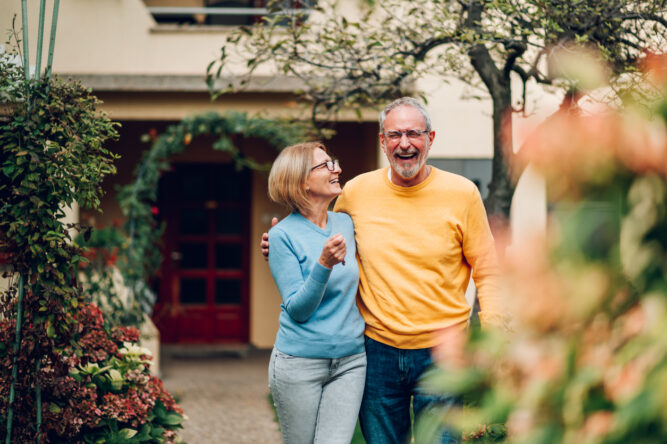
After years together, it’s easy to assume you already know everything about your partner, but the couples who go the distance never quite stop being curious. They ask about each other’s days and actually listen. They notice when something is bothering their partner and follow it up.
They remember the name of the irritating colleague and ask how the meeting went. That kind of attention tells your partner they still matter to you, not as a fixture in the house, but as a whole person. People who feel genuinely seen by their partner rarely go looking elsewhere for it.
They make a proper effort with date nights.

Carving out time for each other is one of the strongest predictors of a happy marriage in the research. It doesn’t have to be expensive, and it doesn’t have to be a night out every week. It just has to be regular and protected from everything else. A walk together on a Sunday morning, a takeaway, and a film with no phones, a proper sit-down meal once the kids are in bed.
The point is the time itself, where you’re choosing each other rather than just coexisting in the same house. Couples who keep this up tend to report not just happier marriages but more stable ones.
They keep saying “thank you.”

In the marriages that last, partners don’t take each other for granted. They notice when the other one has emptied the dishwasher, picked up the dry cleaning, dealt with the kids’ homework or cooked something nice. And crucially, they say so out loud.
A simple “thanks for sorting that” goes further than people realise because it builds a culture of being appreciated. Over the years, this is one of the strongest antidotes to the slow drift into contempt and resentment that breaks plenty of marriages. Gratitude, said often and genuinely, is properly powerful.
They respect each other in front of other people.

How you talk about your partner when they aren’t in the room, and how you talk to them when others are listening, says a lot about a marriage. The couples who last don’t roll their eyes about each other to friends or run them down in the pub. They don’t make their partner the punchline of stories at dinner.
Disagreements are handled privately and respectfully, and any teasing in public stays warm rather than barbed. That respect builds a sense of safety, the feeling that your partner is on your side wherever you are.
They keep some physical affection going.

The marriages that go the distance keep some sort of physical connection alive, even when life gets busy or sex becomes less frequent. A hug in the kitchen, holding hands on the sofa, a kiss on the forehead before bed, an arm round the shoulders when something is hard.
These small touches keep the bond feeling real and warm. Long-married couples often say it’s the steady, ordinary affection they value most, not big romantic moments. When physical closeness disappears entirely, partners start to feel like strangers, even if nothing else has changed.
They protect their marriage from outside drains.

The couples who last tend to be deliberate about what they let into their marriage from the outside world. They don’t constantly complain about their partner to friends or family, since that turns small annoyances into big ones. They keep firm boundaries with anyone who’s unkind to or about their partner, including in-laws.
They’re careful about emotional closeness with other people that crosses lines they wouldn’t be comfortable with. None of this is about being controlling or paranoid, it’s about looking after the relationship as a precious thing that deserves to be protected.
They have their own lives outside the marriage.

Counterintuitive as it sounds, the strongest marriages aren’t the ones where two people fuse into one. The couples who last keep their own friendships, hobbies, and interests going. They go for runs alone, see their mates without their partner, and have parts of life that are properly theirs.
That space stops the marriage from getting suffocating, and it gives each partner something to bring back to the table. People who feel like a whole person on their own tend to be better partners than people who’ve become entirely dependent on their spouse for company and identity.
They keep growing together as life changes.

Lasting marriages aren’t static. The couple at year 25 isn’t the same one that walked up the aisle, and they don’t expect to be. Kids arrive, jobs change, parents age, bodies change, dreams change too. The couples who go the distance roll with all this, talking through the big stuff, adjusting expectations, and choosing each other again at every new chapter.
They accept that romantic, butterfly-stage love will mellow into something steadier and warmer, and they don’t panic when that happens. They see it as growth rather than loss.
They keep choosing each other on the dull days.

This might be the most important one of all. Lasting love isn’t really about the big romantic moments, it’s about the dull Tuesday evenings when you’re tired, slightly irritable, and could quite easily snap. The couples who last make small, deliberate choices to be kind, to be patient, to be present, on the days when none of that comes easily.
They show up for each other in the unglamorous bits of life, the GP appointments, the boring admin, the school runs, the mundane chores. That steady, daily choosing is what real, durable love actually looks like.
What these habits really have in common

The thread running through all of this isn’t grand romance, it’s intention. The couples who last aren’t lucky or perfectly matched, they’re just the ones who keep showing up for each other in small, deliberate ways. The good news is none of these habits require a personality transplant or expensive therapy. They’re choices anyone can start making today, in their own marriage, in tiny doses that build up over years: a text in the middle of the day, a proper thank you, ten minutes of actual conversation in the evening, a hand reached for instead of pulled away. After all, marriages aren’t really saved by big gestures. They’re built and rebuilt by the small ones, over and over again.