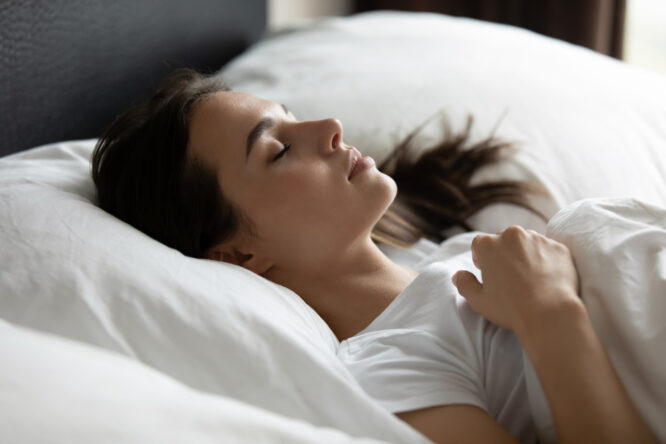
Heatwaves can make nights feel absolutely unbearable in the UK, especially in homes that seem to trap heat long after the sun has gone down.
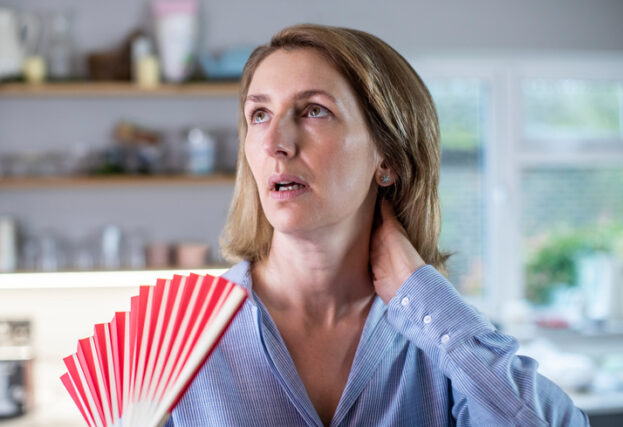
A lot of people expect hot weather to feel uncomfortable during the day, but what really catches them out is how exhausting several bad nights of sleep in a row can become. The British Red Cross warns that poor sleep during very hot weather does not just leave people feeling groggy the next morning, either. It can affect concentration, hydration, mood, energy levels, and the body’s ability to cope properly with extreme temperatures in the first place.
Upstairs bedrooms often become the hottest part of the house.

One of the biggest problems during heatwaves is that warm air naturally rises and gets trapped upstairs throughout the day. By evening, bedrooms can still feel stuffy, airless, and overheated even after temperatures outside have started cooling down. A lot of people lie awake wondering why the house still feels so warm at midnight, but upstairs rooms often hold onto heat far longer than people expect.
That is why experts recommend sleeping on the lowest floor possible during extreme heat, or moving temporarily into the coolest room available. Even moving from an upstairs bedroom into a downstairs living room can sometimes make a noticeable difference. Homes in the UK are also generally built to retain heat rather than release it, which becomes a major problem during prolonged hot weather.
Electrical items can make bedrooms even warmer.

Many people leave televisions, gaming consoles, chargers, laptops, and other electronics switched on overnight without really thinking about it. But even devices left on standby still generate heat inside already warm rooms.
Individually, the heat from one device may not seem like much, but several electronics running together overnight can slowly make bedrooms feel more uncomfortable, especially in smaller spaces with poor airflow. Experts recommend unplugging anything unnecessary before bed because reducing even small amounts of extra heat can help rooms cool down faster during hot nights.
Going to bed already overheated makes sleeping much harder.
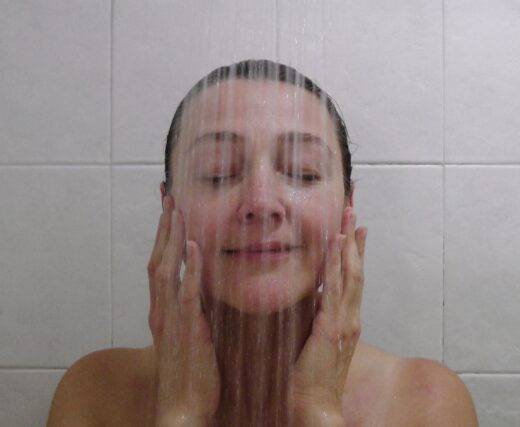
A lot of people wait until they are already struggling in bed before trying to cool themselves down, but experts say it helps far more to lower body temperature beforehand. Trying to fall asleep while still feeling sweaty and overheated can stop the body settling naturally into sleep.
That is why lukewarm or cool showers before bed are often recommended during heatwaves. Some people also cool their feet or wrists before sleeping because lowering body temperature gradually can help the body relax more comfortably. Heavy exercise late in the evening can sometimes make things worse too because the body stays warmer for longer afterwards.
Alcohol and caffeine often make hot nights worse without people realising.

Warmer weather naturally pushes many people towards cold beers, iced coffees, fizzy drinks, or late evening drinks in the garden. But both alcohol and caffeine can affect sleep quality much more during heatwaves.
Alcohol may initially make people feel sleepy, but it often disrupts proper rest later during the night, while also increasing dehydration risk. Caffeine can also interfere with the body’s ability to settle naturally, while slightly raising body temperature and encouraging fluid loss. That combination can leave people waking repeatedly through the night feeling hot, thirsty, and restless.
Heavy bedding and tight clothing trap heat against the body.
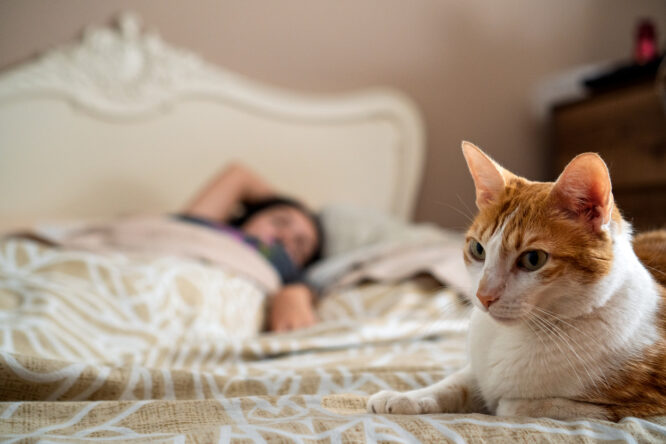
One of the simplest mistakes people make during heatwaves is keeping the same bedding and sleepwear they would normally use during cooler weather. Thick duvets, synthetic fabrics, and tight-fitting pyjamas can trap warmth close to the skin and make already hot bedrooms feel unbearable.
Experts usually recommend lightweight cotton sheets and loose clothing because they allow more airflow and help the body release heat more naturally overnight. At the same time, body temperature naturally drops later during sleep, so a very light cover can still help prevent people from waking up cold during the early hours.
Heatwaves can completely throw normal sleep routines off balance.
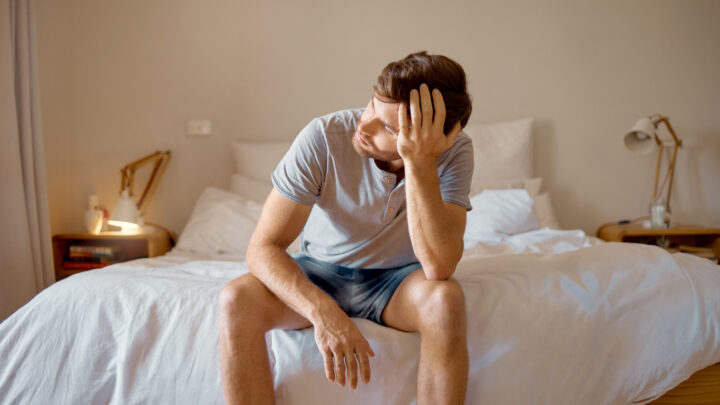
During very hot weather, people often end up going to bed later, eating later, or taking daytime naps because the heat leaves them feeling drained. The problem is that those disrupted routines can make proper sleep even harder once night arrives.
Experts say trying to keep normal bedtimes and routines as consistent as possible can help the body maintain a more stable sleep pattern during prolonged heatwaves. Long daytime naps may feel tempting after a terrible night’s sleep, but they can sometimes make the next night even worse.
Poor sleep during heatwaves can affect health surprisingly quickly.
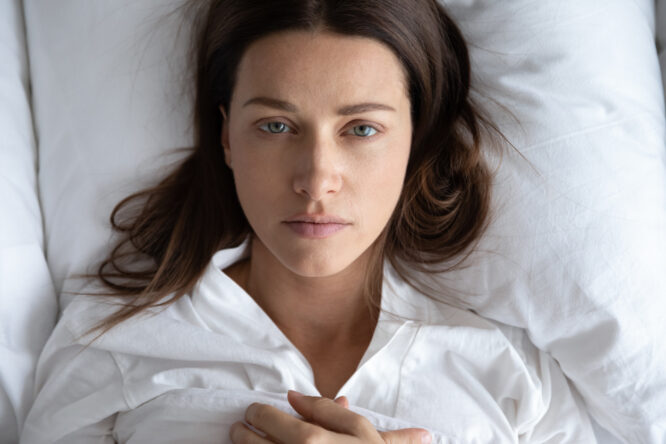
According to the NHS, even one poor night of sleep can affect concentration, mood, reaction times, immune function, and overall wellbeing. During a heatwave, those effects can feel stronger because the body is already working harder to stay cool and hydrated throughout the day and night.
Experts say this becomes especially important for older adults, young children, and people with existing health conditions, who are often more vulnerable during periods of prolonged extreme heat. Several difficult nights in a row can quickly leave people feeling physically drained, irritable, dehydrated, and far less able to cope with the heat itself.