Sprucing up the garden is a standard part of getting your outdoor space ready for summer.
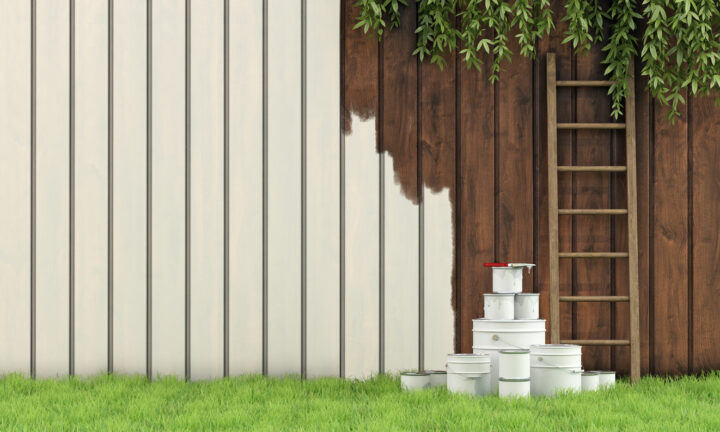
Giving a tired, weathered fence a fresh coat of paint seems like the most innocent task in the world, but before you open a tub of treatment and grab your brush, it’s worth remembering that boundary lines are a bit more complicated under UK law. What feels like a simple bit of home improvement can quickly spiral into a stressful neighbourhood feud if you don’t actually own the wooden panels you’re working on. Failing to understand who has the legal right to change the look of a shared boundary is an incredibly easy mistake to make, but it can leave you facing some very awkward conversations over the hedge.
The short answer most people don’t want to hear
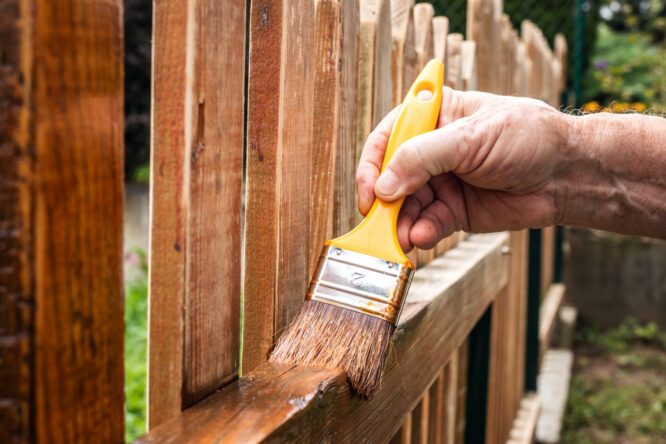
If the fence belongs to your neighbour, you can’t legally paint your side of it without their permission. Loads of people assume that the side facing their garden is somehow theirs to do whatever they want with, but that’s not how the law works at all. A fence is one whole thing, and changing any part of it counts as altering someone else’s property.
This catches people out all the time. They pop down to the shop, pick up a tin of nice fence paint, give the panels a fresh coat over the weekend, and then end up with a furious neighbour banging on the door on Monday morning. Knowing the rules before you reach for the paintbrush can save you a load of stress and possibly some money too.
Why the side facing you doesn’t actually matter
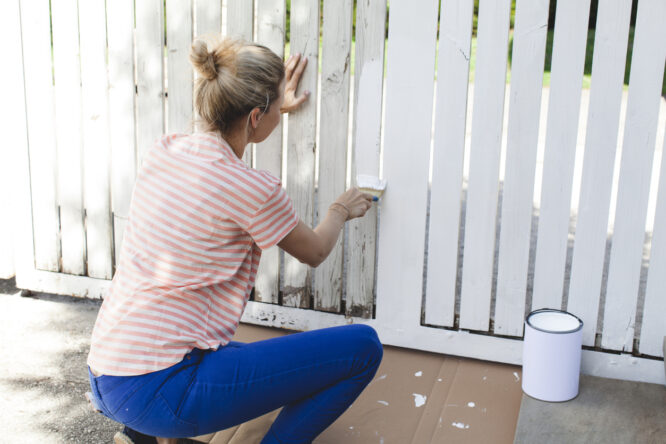
Most people look at a fence and think the side they can see must be theirs. It feels logical, but property law doesn’t agree. Whether a fence belongs to you or your neighbour is decided by your house deeds, not by which way the panels face. So even if the smoother, prettier side of the fence is in your garden, it could still be entirely owned by next door.
If you check the title plan for your house, you might spot a small “T mark” along the boundary lines. This is a tiny letter T that shows which side is responsible for that section of fence. The bottom of the T points towards whoever owns it. If there’s no T mark at all, ownership might be shared, or it might just not be clearly defined, which makes things a bit more complicated. You can look up your title plan online through HM Land Registry for a few pounds, and honestly, it’s one of the best little investments you can make before starting any fence work.
Why even just painting is treated as a change

Painting doesn’t seem like a big deal, but the law sees it as a proper alteration. Paint soaks into the wood, changes how the fence weathers over time, and affects what your neighbour can do with it in future. If they wanted to use a different stain, treatment, or finish later on, your paint job might make that impossible or much more expensive to put right.
That’s why the rules apply even if you’re only painting the side facing into your own garden. You haven’t created a separate fence by adding paint to one side. The fence is still one structure, and that structure now looks and behaves differently because of what you’ve done. Without permission from the owner, you’ve technically changed something that isn’t yours, and that’s where the legal issues start.
Could you actually get in trouble?
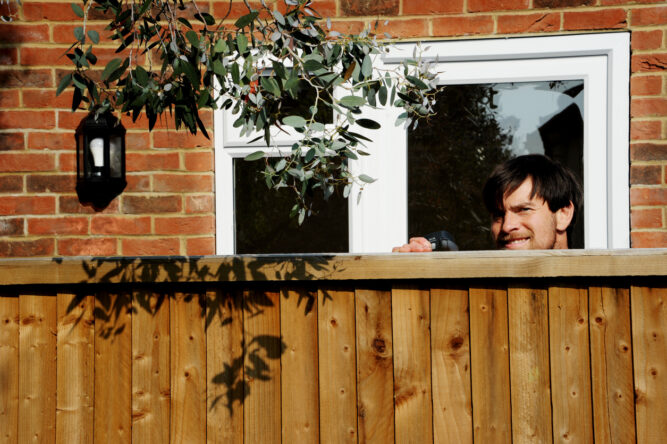
Yes, you genuinely could. Under the Criminal Damage Act 1971, damaging property belonging to someone else without permission counts as criminal damage. The damage doesn’t have to be huge or permanent. Painting a fence without consent can technically fall under this law, even if the result looks nice and the neighbour ends up agreeing it’s an improvement.
In real life, the police don’t usually get involved in fence disputes unless things really escalate. What’s more common is your neighbour demanding that the fence be restored to how it was before, with you footing the bill. Some neighbours take it as far as small claims court to recover the cost. None of this is the kind of weekend you want, especially over something that started with good intentions.
What happens if the fence is shared?

Sometimes fences are jointly owned by both neighbours, particularly between two semi-detached houses or where boundaries have been set up that way for years. If that’s your situation, you still can’t just paint the fence on your own. Shared ownership means shared decisions, and that includes things like colour, finish and whether to paint at all.
Paying for the paint yourself doesn’t get you off the hook, either. If you crack on without asking, your neighbour has every right to ask for the paint to be removed or for compensation if it can’t be undone. Shared fences are exactly the kind of thing that need a friendly chat over the back garden before anyone starts opening tins of wood stain.
How to ask without it getting awkward
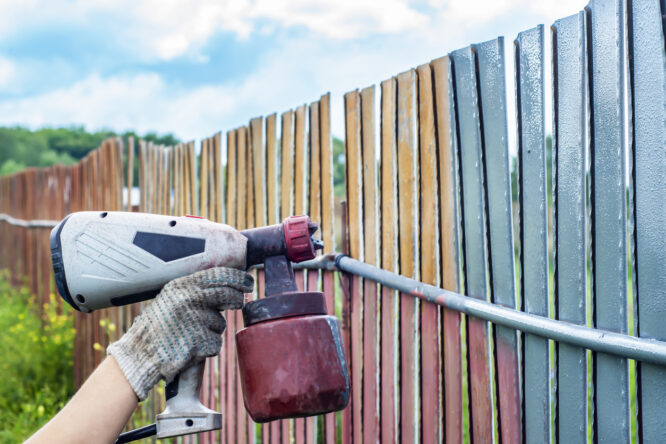
The easiest way to avoid the whole legal mess is just to ask. A casual conversation over the fence is usually enough. Tell your neighbour what colour you fancy, what finish you’re after, and why you want to do it. Most reasonable neighbours will be perfectly fine with it, especially if you’re paying for the paint yourself and doing the work.
The really important bit is to get the permission in writing afterwards. A quick text or email saying something like “thanks for agreeing to me painting the fence dark grey, I’ll get started on Saturday” is enough to cover you. Verbal agreements can be denied later, especially if the house gets sold and a new neighbour moves in who never knew anything about your arrangement. A bit of written proof saves a lot of grief down the line.
What if your neighbour says no?

If your neighbour doesn’t fancy it, that’s their call to make. Painting it anyway is almost always the worst possible move. You’d be giving them the legal upper hand and probably ending the relationship for good. Neither of those is worth a slightly nicer-looking fence.
The good news is there are loads of other ways to make your garden look better without touching the existing fence. You could put up your own screen or panel just inside your boundary line. Trellises with climbing plants like jasmine or clematis look gorgeous and can cover up a tatty fence in a few seasons. A row of bamboo or evergreen hedging plants gives you a green wall that looks loads nicer than any paint. Tall potted plants, hanging baskets and outdoor mirrors all add personality to a boring boundary too.
The mistakes that turn into disputes

Most fence problems come from assumptions. People assume the fence is theirs because it faces their garden. They assume permission isn’t needed because the paint will only be on their side. They assume their neighbour won’t mind because the colour looks lovely. And then they assume a verbal “yeah go ahead” said over the bins three months ago will still hold up if anything goes wrong.
Another common mistake is going for very strong colours or thick, opaque paints that completely change how the fence looks. These are much harder to undo than a light stain, and they’re far more likely to wind up a neighbour who didn’t sign off on it. If you’re going to paint, and you’ve got permission, agree the exact colour and finish beforehand. Show your neighbour a sample if you can. The more clearly you both understand what’s going to happen, the less room there is for disagreement later.
What if the fence is fully on their land?

If the fence sits entirely on your neighbour’s side of the boundary, you’ve got even fewer rights to touch it. Painting it without permission could potentially involve trespass too, if you need to lean over or step onto their land to do the work. That’s a whole extra legal headache nobody needs.
In this situation, your only real options are to either ask very nicely and hope they say yes, or to put up something of your own on your own land. A second fence just inside your boundary is perfectly legal, though it does eat into your garden space. For most people, planting something attractive in front of the existing fence ends up being the easier and cheaper solution.
How to keep things peaceful

The whole topic of fences and gardens is one of the biggest causes of neighbour disputes in the UK, which is a bit silly when you think about it. The way to avoid joining those statistics is pretty simple. Check who actually owns the fence before doing anything. Ask permission in writing if it’s not yours. Agree on the details before starting. Keep a record of any conversation just in case.
Most neighbours are reasonable people who’d much rather have a good relationship with the family next door than fall out over a few panels of wood. Treat them with the respect you’d want yourself, communicate clearly, and most fence painting projects will go off without a hitch. A nice fresh coat of paint is a lovely way to spruce up the garden, but it’s only worth doing if it’s not going to cost you a friendship, a court fee, or both.