The promise of a full-body AI health scan sounds like pure science fiction.
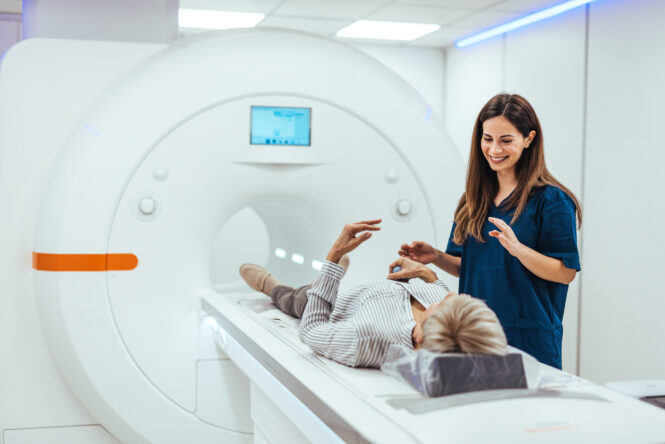
You lie in a high-tech magnetic tube for less than an hour, and artificial intelligence sifts through thousands of images to spot hidden cancers, aneurysms, or silent diseases long before you ever feel a symptom. It’s an alluring proposition that has quickly turned preventative imaging into a massive wellness trend, with private clinics claiming to offer ultimate peace of mind for anyone willing to pay.
However, the medical establishment is deeply divided over whether these elective scans are actually a brilliant tool for early intervention or just an expensive exercise in health anxiety. While catching a major issue early can undoubtedly save lives, the technology often raises far more questions than it answers, leaving patients to navigate a complex web of uncertainty.
What even is an AI body scan?
An AI body scan is a service that uses cameras or special machines to look at your body and try to work out how much fat, muscle, and bone you’ve got. They’re popping up everywhere right now, from gyms to apps on your phone. Some of them are quite serious bits of medical equipment, while others are basically just clever guessing tools dressed up to look fancy.
The companies selling these scans want you to believe that knowing every tiny detail about your body will somehow make you happier and healthier. Spoiler alert: it usually won’t. Before you spend a single penny on one of these things, it’s worth understanding what they can actually do, and what they really can’t.
The fancy hospital machines
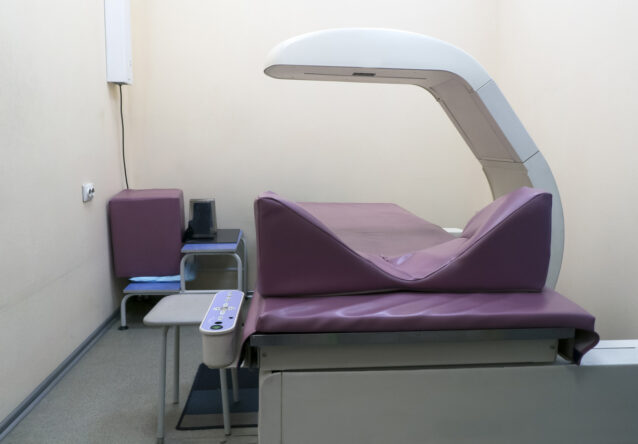
At the top of the scan world sits something called a DEXA scan. It uses tiny amounts of X-rays to look through your body and measure your bones, fat, and muscle properly. These machines were originally invented to check whether people had strong bones, and they’re really good at their job. A DEXA scan costs anywhere from £30 to £200 or so, depending on where you go and what you’re having checked.
These are the ones doctors and scientists trust because the technology is genuinely accurate. They can spot something called visceral fat, which is the type of fat that wraps around your organs and can cause health problems even if you don’t look overweight on the outside. If anyone’s going to bother having a body scan at all, this is the kind worth thinking about.
The slightly dodgy gym scales

One step down are the smart scales you see in gyms and the kind of devices you can buy for home use. These work by sending a tiny, completely harmless electric current through your body and measuring how it travels. Fat blocks the current, while muscle lets it through easily, so the machine makes a guess at how much of each you’ve got.
The problem is, these readings are really easily fooled. If you’ve had a salty meal, drunk loads of water, exercised recently, or you’re at a particular point in your cycle, the numbers can change wildly. One doctor pointed out that these machines can wrongly add 5% to your muscle reading just because you’re holding onto extra water from a packet of crisps at lunchtime. So while the numbers look impressive on the screen, they can be quite far from reality.
The phone apps that barely work

At the very bottom of the pile are the apps that ask you to take a selfie or two and then promise to tell you your body fat percentage. These are basically nonsense. A flat photo simply doesn’t contain enough information to work out what’s going on inside someone’s body. The app is making a wild guess based on what it can see on the outside.
Think of it like trying to work out how much chocolate is inside a wrapped Easter egg just by looking at a photo of the wrapper. You might guess roughly, but you’d never actually know. These apps may make you feel like you’re doing something useful, but the readings they give you aren’t worth taking seriously.
Why “AI” doesn’t mean magic

The word AI gets slapped onto everything these days because it sounds clever and futuristic. In some scan services, AI is genuinely being used to compare your results with thousands of other people’s data and help spot patterns over time. That’s actually useful. But in cheap apps and smart scales, AI usually just means an algorithm that’s been trained on data, which is fine in theory but useless if the data going in wasn’t very good in the first place.
The rule of thumb is simple. If a scan starts with proper measurements from a real machine, AI can add something useful on top. If a scan starts with bad measurements, no amount of AI cleverness can fix that. Garbage in, garbage out, as the saying goes.
What these scans can’t actually tell you

Here’s where the marketing really stops matching up with the truth. A body scan, even an expensive one, can’t tell you most of what really matters about your health. It can’t measure how well your body deals with sugar, whether your hormones are balanced, how well your thyroid is working, or whether you’ve got inflammation hiding somewhere. Two people with identical scan results can have wildly different health, with one perfectly healthy and the other actually quite poorly.
For all of that proper information, you need blood tests done by a real doctor. A body scan is just one small piece of the puzzle, and treating it like the full picture is exactly the mistake the people selling these services hope you’ll make. The reality is that your health is far too complicated to be summed up by one shiny number on a screen.
The “biological age” trick

The bit of marketing these companies push hardest is something called your “biological age.” This is the idea that even though you’re 40 on your birthday card, your body might secretly be 30 or 50 on the inside. The promise is that the scan will reveal your true age and tell you whether you’re ageing better or worse than you should be.
The trouble is, this number is mostly made up. It’s based on comparing you to averages from other people, and it doesn’t take into account your family genes, your background, or what your body’s been through recently. One doctor pointed out that a single bad night’s sleep can change your biological age score by five years. If a number wobbles that much depending on whether you had a decent kip, it really isn’t worth taking seriously.
When body scans actually are useful

None of this means body scans are completely pointless. They can be genuinely helpful if you use them properly. The trick is to think of them as a way to track changes over time, rather than expecting one scan to reveal everything about you. If you have a DEXA scan every few months under the same conditions, you can spot patterns like your muscle going up, your visceral fat going down, or vice versa.
This is especially helpful for people taking medication that affects their weight, since regular bathroom scales can’t tell whether the weight you’re losing is fat or muscle. A proper scan can. So, used as a long-term tool by people who are working with a doctor or trainer, body scans have a real place. The problem is when people treat one quick scan as a complete health check, which it absolutely isn’t.
How to be sensible about all this

If you’re going to use a body scan, pick a proper DEXA one rather than a phone app or smart scale, and get one every few months under the same conditions to spot patterns. Don’t scan right after a salty meal, hard workout or at random times of the month because the readings will be all over the place.
Be very suspicious of biological age numbers, especially if they’re produced by apps or simple devices. And remember that scans can’t replace blood tests, doctor visits or just paying attention to how you actually feel day to day. Are you sleeping well? Have you got energy? Do you feel strong? Those things tell you far more about your health than any flashy number on a screen.