Hitting a mid-afternoon slump usually triggers an immediate craving for a quick sugar fix or a packet of crisps.
Of course, these processed options always leave you crashing again within an hour. If you’re trying to keep your energy levels steady and stave off hunger until dinner, protein is the ultimate macro-nutrient to focus on. But finding convenient snacks that deliver a genuinely useful dose of protein without being packed with hidden sugars or artificial ingredients is much harder than it looks.
Fortunately, nutrition experts have a clear consensus on which options actively work to keep your metabolism ticking and your appetite in check. Changing your snacking habits towards these dietician-approved choices is the easiest way to fuel your body properly and stop mindless grazing in its tracks.
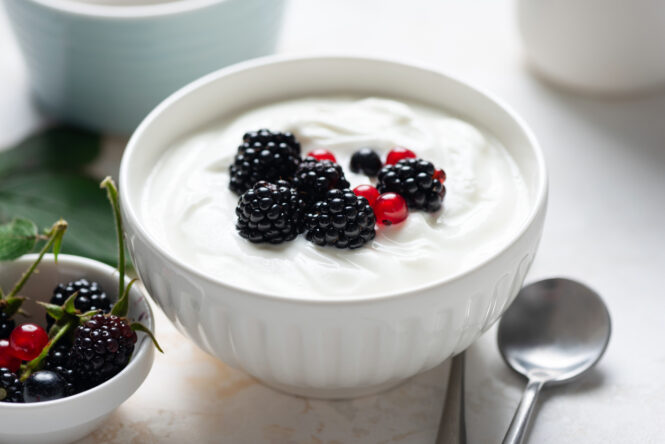
Greek yogurt is the easy all-rounder.
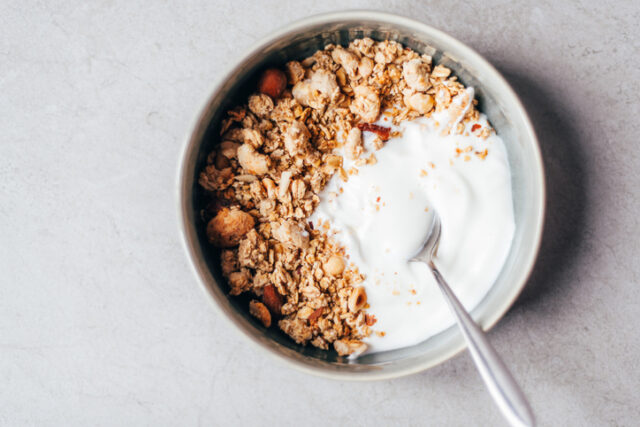
If you only pick one snack off this list, make it Greek yogurt. A decent pot can deliver somewhere around 15 to 20 grams of protein, depending on the brand, which is a serious amount for something you can eat with a spoon in thirty seconds. It’s thick, creamy and filling in a way that ordinary yogurt just isn’t because the straining process that gives it that texture also concentrates the protein.
You can keep it plain or stir through a little honey, some berries, or a handful of nuts to turn it into something that actually feels like a treat. It also works brilliantly as a swap for soured cream or mayonnaise in dips, so you sneak the protein in without really trying. For most people, it’s the simplest win going.
Hard-boiled eggs travel better than you’d think.
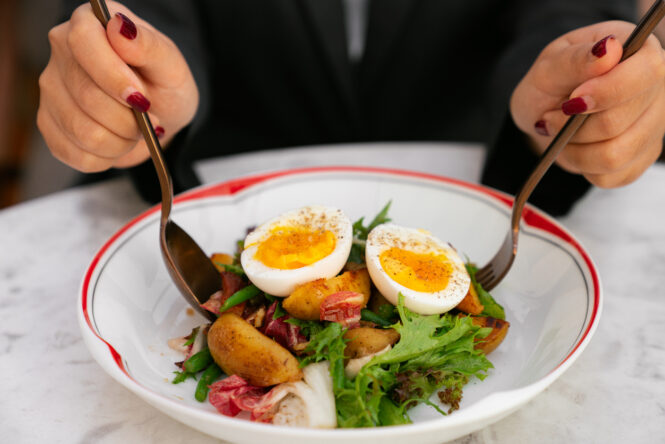
The humble egg is one of the most underrated snacks around. Each one gives you roughly six grams of high-quality protein, and the beauty of boiling a few in advance is that they sit happily in the fridge, ready to grab. They’re properly portable too, so they work for the commute, the gym bag or the desk drawer.
A couple of eggs with a small handful of nuts makes a snack that’ll genuinely hold you until your next meal. If plain feels boring, a dash of hot sauce or a sprinkle of salt and pepper sorts that out instantly. They’re cheap, they’re everywhere, and they ask almost nothing of you.
Cottage cheese has certainly made a comeback.
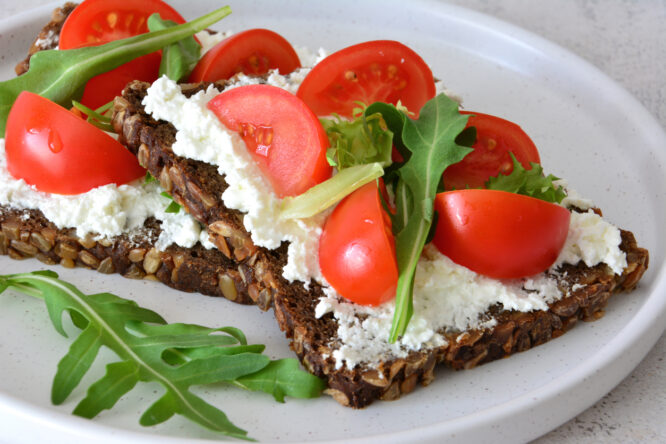
Cottage cheese spent years being unfairly written off, and it’s earned its way back onto the shelf. It’s packed with protein for very few calories, and the mild flavour means it goes with almost anything. Spoon it onto wholegrain toast, pile it on crackers, or stir it through with chopped tomatoes and a twist of black pepper for something savoury.
If you’ve got a sweet tooth, it pairs just as well with fruit and a drizzle of honey. The slightly looser texture won’t be for everyone, but give it a fair go, and you’ll find it’s one of the most flexible high-protein foods you can keep in the fridge.
Tinned tuna or salmon is the no-fuss option.
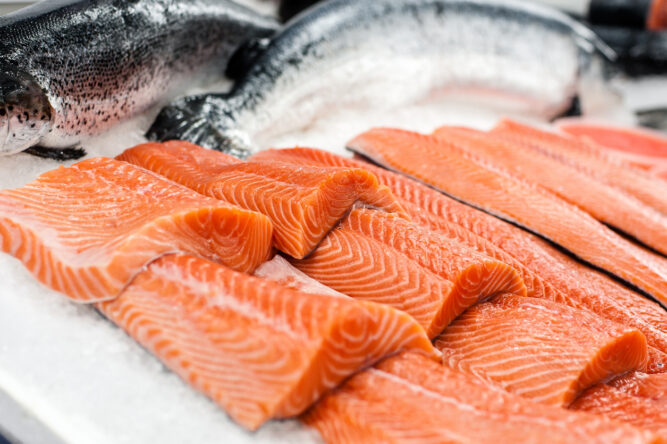
When you want protein with zero faff, a tin of fish is hard to beat. Tuna and salmon both deliver a generous hit, they keep in the cupboard for ages, and there’s no cooking involved. Drain a tin, fork it onto a couple of oatcakes or some wholegrain crackers, and you’ve got a snack ready in under a minute, and a squeeze of lemon or a little mayonnaise lifts it nicely.
Tinned salmon has the bonus of those useful omega-3 fats too, so you’re getting more than just the protein. It’s the kind of thing worth keeping a few of at the back of the cupboard for the days you can’t be bothered to think.
Edamame is the plant-based standout.
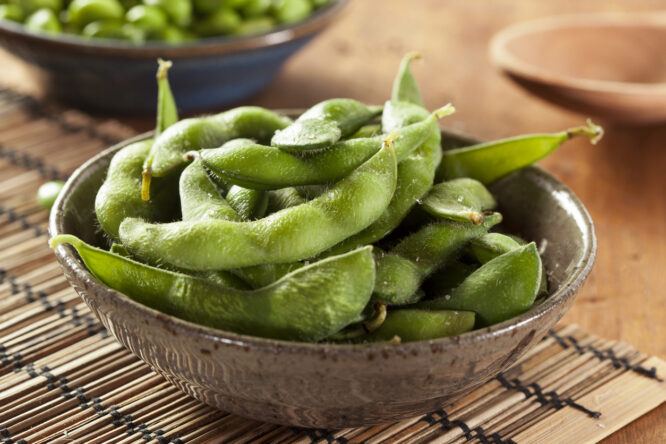
For anyone eating less meat, edamame is a genuine star. These young soya beans are one of the few plant foods that count as a complete protein, meaning they give you the full set of building blocks your body needs. Half a cup serves up around ten grams of protein along with a good dose of fibre, which together keep you full far longer than a quick sugary snack ever would.
You can buy them frozen, steam them in minutes and eat them warm with a pinch of salt, popping the beans straight from the pod. They’re satisfying to eat, surprisingly moreish, and they bring iron and magnesium to the table as well.
A handful of almonds does a lot of work.
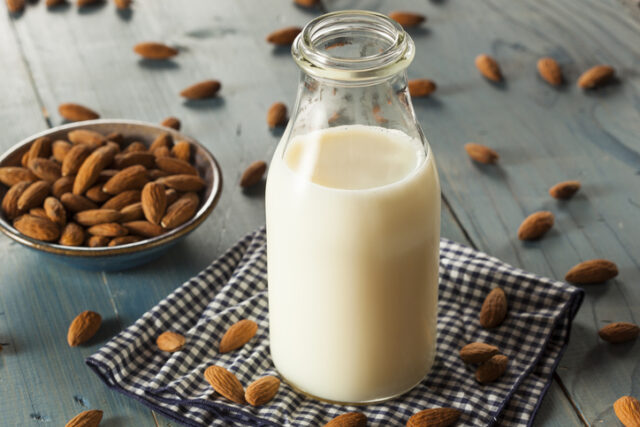
Nuts in general are a smart snack, but almonds are particularly worth reaching for. An ounce gives you around six grams of protein plus a useful amount of fibre, and they bring healthy fats that help keep you satisfied between meals. They’re also one of the better sources of vitamin E, which is good news for your skin, and they deliver a decent hit of magnesium.
The one thing to watch is the portion, as it’s easy to keep dipping in. Measure out a small handful rather than eating from the bag, and if you fancy something a bit special, a few dark chocolate chips alongside them hits that sweet-and-salty spot perfectly.
Beef jerky is the one that doesn’t need a fridge.
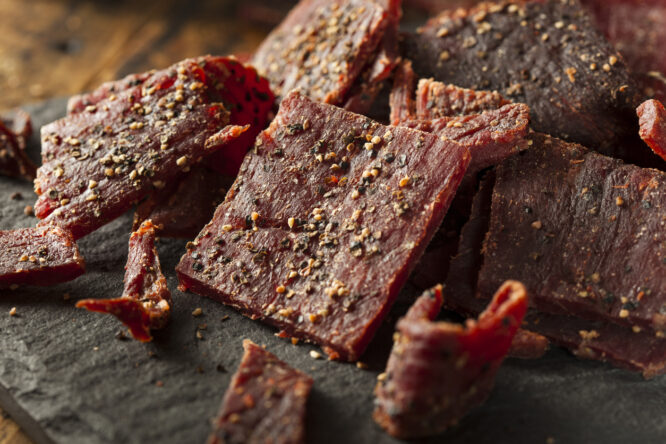
Sometimes you need protein you can shove in a bag and forget about, and that’s where jerky comes into its own. A single ounce serving carries around ten grams of protein, it’s shelf-stable, and it needs no preparation whatsoever. That makes it ideal for long car journeys, hikes, or anywhere a cool box isn’t an option. It tends to be low in carbohydrates too, which some people find helps keep their energy steady.
The thing to keep an eye on is salt, since jerky can be high in it, so it’s best treated as an occasional grab-and-go rather than something you snack on all day. Used sensibly, it’s genuinely handy to have around.
Hummus turns vegetables into something filling.
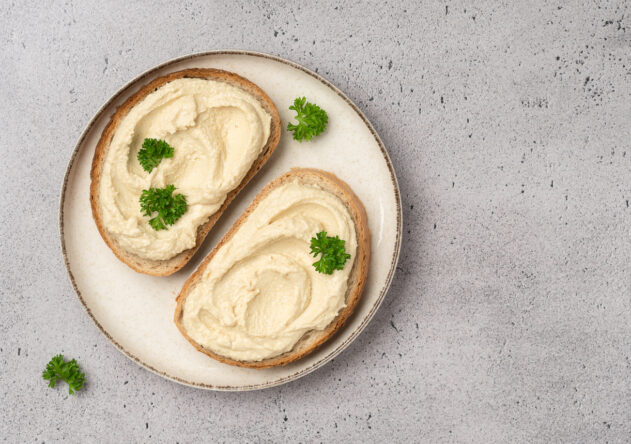
Hummus is the snack that makes eating your veg feel like less of a chore. Made from blended chickpeas, it brings a solid amount of plant protein along with heart-friendly fats, and it tastes good enough that you’ll actually want it. Scoop it up with carrot sticks, pepper strips or wholegrain pitta, and you’ve got a snack that’s satisfying without weighing you down. P
airing it with raw vegetables adds extra fibre on top, which only helps with that full feeling. It keeps well in the fridge, works as a quick lunch addition too, and it’s an easy way to get a protein boost into anyone who isn’t keen on the more obvious meaty options.
How much protein do you actually need in a snack?

As a rough guide, aiming for somewhere between five and fifteen grams of protein per snack tends to hit the sweet spot for staying full without overdoing it. The bigger principle is to lean towards whole or lightly processed foods that bring a bit of fibre and other nutrients along with the protein, rather than relying on heavily packaged bars and crisps that promise big numbers.
There’s no need to obsess over it, either, and listening to your own hunger usually does a better job than any rigid rule. Get a couple of these into your day when you genuinely need them, and you’ll likely find you snack better and feel steadier right through to your next proper meal.