Screwing a smart doorbell to your front door seems like an absolute no-brainer for home security, letting you keep an eye on deliveries and spot unwanted visitors from your phone.

But while you might think you’re completely within your rights to film your own property, UK privacy laws mean your handy new gadget could actually be landing you in incredibly hot water. If your camera’s lens accidentally captures a slice of your neighbour’s garden or the public pavement outside your gate, you’re suddenly subject to strict data protection rules that most homeowners have never even heard of. Failing to set up your device properly doesn’t just risk sparking a nasty neighbourhood feud—it can leave you facing massive fines and legal action.
Your camera is yours… until it’s not.
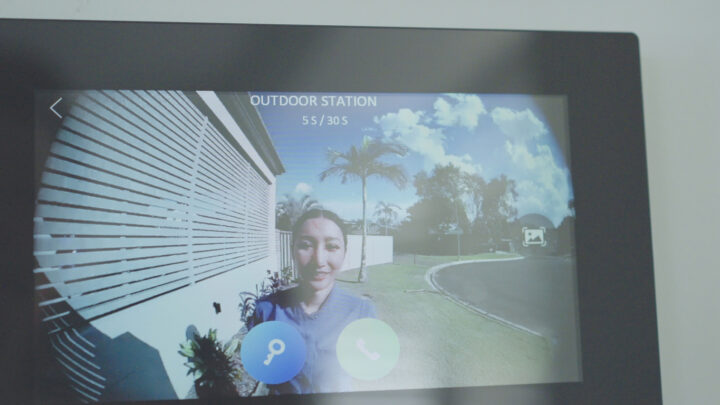
Here’s the big one nobody tells you. If your doorbell only sees your own doorstep, driveway and garden, you’re completely fine and nobody can say a word about it. But the second it starts filming the pavement, the road, or next door’s front garden, the rules change, and you suddenly have responsibilities you didn’t have a minute ago.
The catch is that most front doors sit close enough to the street that the camera does pick up a bit of public path. So loads of people are in this boat without realising. It doesn’t make you a villain. It just means a few things now apply to you that you ought to know about.
The microphone is sneakier than the camera.

Everyone worries about what the camera sees. Hardly anyone thinks about what it hears. These doorbells can pick up conversations happening several feet away, and that counts just as much as the video does. People stood on the pavement chatting have no idea their words are being recorded.
The fix takes two minutes. Go into the app, find the sound settings, and either turn the sensitivity right down or switch the audio off if you don’t really need it. Most people don’t even know the sound is on, never mind how far it reaches.
You’re meant to let people know it’s there.

This sounds a bit formal, but it’s dead simple in practice. If your camera films any shared or public space, you’re supposed to let people know they might be recorded. You can’t exactly ask every postie and passer-by for permission, so a little sign by the door does the job instead. Something that just says recording is in operation. It costs next to nothing, and if there’s ever any bother it shows you were being upfront about the whole thing.
Your neighbour can ask you for the footage.

This one really catches people out. If your camera films a neighbour, they’re allowed to ask you for a copy of any footage you’ve got of them, and you generally have to hand it over within a month and can’t charge them for it. They can also ask you to delete clips of them if you’re not keeping them for a real reason, like a break-in.
Before you panic, it works both ways. If you’re the one fed up with a neighbour’s camera pointing at your house, you’ve got exactly the same right to ask them. Honestly, knowing this could head off half the doorbell arguments that happen because most people have no idea it’s even an option.
Don’t hang onto clips, and think twice before posting them.
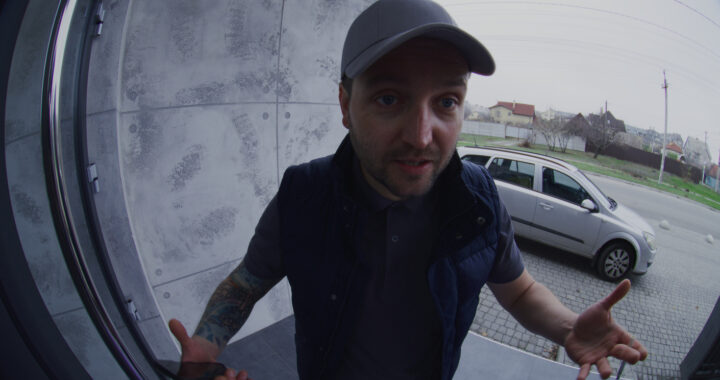
Once your camera is filming beyond your own patch, you’re not meant to keep recordings forever. Store them safely and clear them out when you don’t need them anymore. Days or weeks is plenty unless something actually happened worth keeping. There’s also a line on sharing. Handing a clip to the police is absolutely fine.
Sticking a video of someone on Facebook or the local community group, where you can clearly see who they are, is where people get into trouble. The urge to post the dodgy-looking bloke loitering outside is understandable, but that’s exactly the sort of thing that turns a small niggle into a full-blown complaint.
You almost certainly don’t need to register anything.
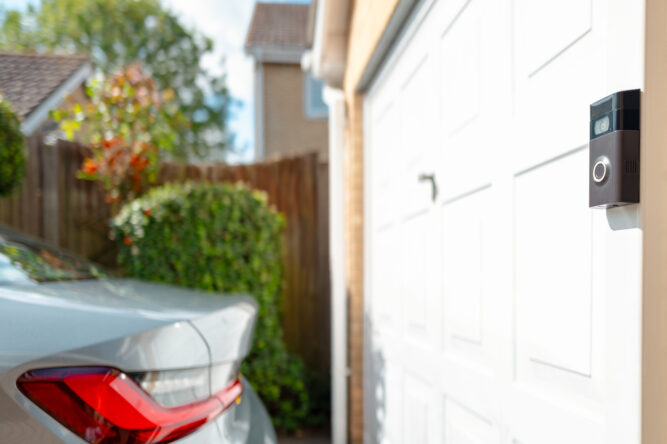
There’s a worry going around that you have to sign up with some official body and pay a fee. For nearly everyone with a normal home doorbell, you don’t. Pointing a camera at your own house is treated as personal use, and you’re exempt. The only time it gets more involved is if your camera is basically watching over a big public area rather than just your own home.
If you’re genuinely unsure, there’s a quick online check you can do that tells you in a couple of minutes whether any of that applies to you.
The case that shows how ugly it can get
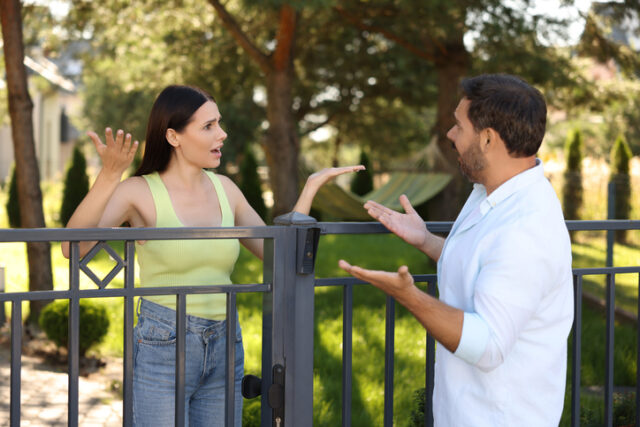
If you think none of this matters, there’s one story worth knowing. A few years back a man had a load of cameras round his house, including a doorbell and one on his shed that ended up filming almost all of his neighbour’s garden and her parking spot. It went to court, the judge ruled he’d broken the rules, and it ended up costing him around £100,000.
The poor woman next door felt she had to move out of her own home. Now, this is rare, and a big part of it was that he kept lying to her about what the cameras were actually doing. But it’s a good reminder that a doorbell camera isn’t a free pass to film whatever you fancy.
How to keep it simple and stay out of trouble
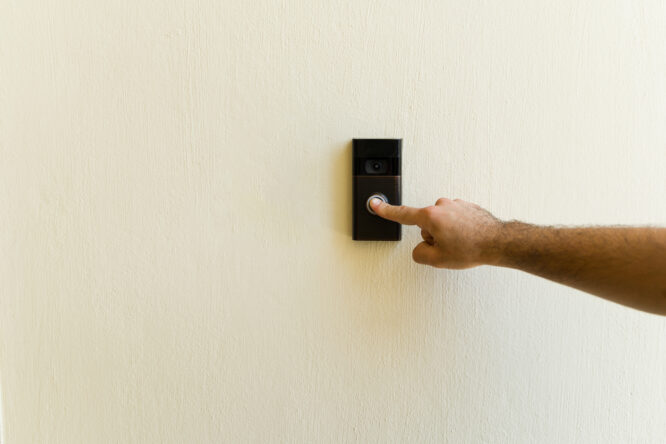
You don’t need to take yours down or lose any sleep over this. The whole point of the rules is just to balance protecting your home against not spying on everyone around you. Aim the camera at your own property as much as you can, use the privacy settings to block out a neighbour’s window if it’s in shot, turn the sound down, pop a little sign up, and don’t keep or share clips you don’t actually need.
Do that handful of things, and you get all the peace of mind without any of the hassle. Used sensibly, these doorbells are brilliant. The only time it goes wrong is when one quietly turns into a camera aimed at the people next door.