A lot of people in the UK now gulp down their meals in record time without really thinking about it.

Lunch gets eaten at desks, dinners disappear in front of the TV, and snacks are often grabbed while doing something else entirely. However, nutrition experts increasingly say the speed at which we eat may matter almost as much as the food itself. According to dietitians, slowing meals down slightly could help with fullness, digestion, blood sugar control, and even long-term weight management.
Your brain needs time to realise you’re full.

One of the biggest reasons experts recommend slowing down at mealtimes is because the body’s hunger and fullness signals aren’t instant. Dietitians say it usually takes around 20 minutes for the gut and brain to properly communicate that enough food has been eaten.
If somebody finishes a meal in 5 or 10 minutes, there’s a good chance they’ll keep eating before those signals fully kick in. That’s why fast eaters often end up consuming more calories without necessarily meaning to.
Brits tend to eat much faster than some other countries.

Research looking at eating habits around the world has found that countries like France, Italy, and Spain generally spend much longer sitting down for meals than people in the UK or US. Eating there is often treated as a social ritual, rather than something squeezed in between other tasks.
By comparison, British eating habits are often built around convenience and speed. Quick lunches, eating while working, and distracted meals have become incredibly normal, especially during busy weekdays.
Eating more slowly may help digestion too.

Chewing food properly doesn’t just slow meals down slightly. It also helps the digestive system work more efficiently because food is broken down more thoroughly before reaching the stomach. Rushing meals can sometimes contribute to bloating, discomfort, and that heavy overfilled feeling people get after eating too quickly. Slower eating gives the digestive system a much gentler start.
Blood sugar spikes may be worse when meals are rushed.

Some dietitians also point to research suggesting that rapid eating can lead to sharper blood sugar spikes, especially after meals high in refined carbohydrates like white bread, pastries, sugary cereals, or heavily processed foods. Slowing meals down may help moderate that response slightly because the body processes food at a steadier pace. In the long run, that could be helpful for overall metabolic health and energy levels.
Distractions are a huge part of the problem.
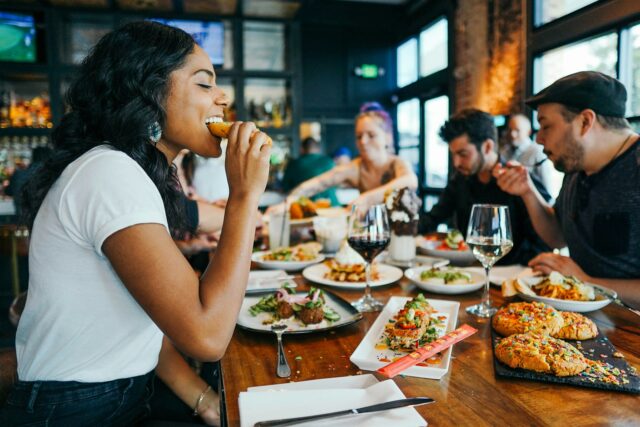
One reason people eat so quickly now is because many meals happen alongside phones, laptops, televisions, or work. People often barely notice what they’re eating because their attention is somewhere else entirely. Dietitians say distracted eating makes it much harder to recognise fullness and satisfaction properly. Meals often feel less enjoyable, too, which can sometimes leave people searching for snacks not long afterwards.
Mindful eating doesn’t have to mean anything extreme.

The phrase “mindful eating” can sound a bit intense or overly wellness-focused, but the basics are actually very simple. It mostly comes down to paying attention while eating instead of rushing through meals on autopilot. Even small changes like sitting at a table, chewing more thoroughly, or taking pauses between bites can naturally slow eating down without turning mealtimes into some complicated routine.
Dr Michael Mosley shared several simple tricks.

Before his death in 2024, Dr Michael Mosley often spoke about the benefits of slowing meals down. In his posthumously released book, he shared several easy ways people can naturally reduce their eating speed. Suggestions included putting cutlery down between bites, sipping water regularly during meals, using smaller utensils, or even eating with your non-dominant hand to stop yourself going on autopilot while eating.
Relaxing music may actually help.

Interestingly, some studies have found that calm background music can encourage people to eat more slowly. Fast-paced environments tend to push people towards quicker eating without them really noticing. That’s one reason meals often feel different in calmer restaurants compared to grabbing food quickly on the go. The environment itself changes the pace people naturally eat at.
Slowing down doesn’t mean eating huge meals.

Experts are careful to point out that slower eating isn’t really about stretching meals out endlessly or eating larger portions. Portion size still matters, and overeating slowly is still overeating. The main idea is simply giving the body enough time to properly process hunger and fullness signals before more food gets added automatically.
Small changes can make meals feel more satisfying.

One thing experts repeatedly come back to is that many people don’t actually need dramatic diet overhauls. Sometimes slowing down slightly, reducing distractions, and becoming more aware during meals can already improve how satisfied people feel afterwards.
In a culture where meals are often squeezed into busy schedules as quickly as possible, simply taking 20 minutes to properly eat can end up feeling strangely unusual. But according to dietitians, the body usually responds surprisingly well when people stop treating meals like a race.