Most people step onto a plane thinking about leg room, snacks, delays, and whether they’ll manage to sleep without their neck folding into a strange shape.

Flight attendants, meanwhile, are noticing completely different things. After years of working thousands of flights, cabin crew often end up with a long mental list of habits they’d personally avoid as passengers, mostly because they’ve seen what really happens on board when nobody’s paying attention.
When they’re not on the clock and simply travelling for fun, there are certain things they know about planes that determine how they act, what they do, and what they avoid while in the air.
They’d never use the tray tables without caution.
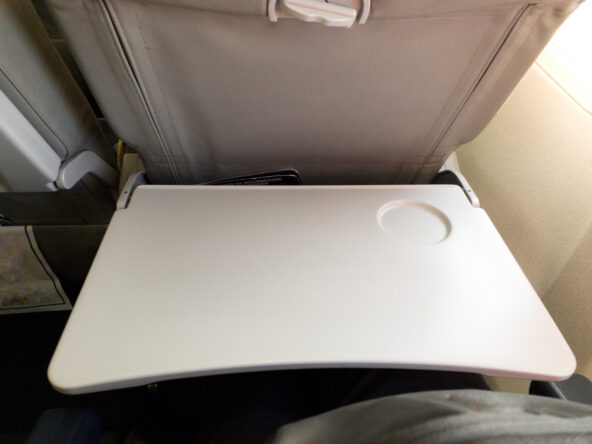
The tray table feels like one of the cleanest and safest parts of the seat because it folds away neatly and gets wiped over between flights. The reality is a bit less reassuring. Cabin crew and frequent travellers have spent years warning that tray tables are one of the most heavily touched surfaces on the aircraft, and they’re used for far more than just holding meals.
Passengers regularly place phones, tissues, dirty nappies, used cutlery, and all sorts of other things on them during flights. Some people even rest their bare feet there, which becomes harder to forget once somebody points it out. Most airlines do clean aircraft, but short turnaround times mean there often isn’t time for deep sanitising between every flight, which is why many experienced travellers now wipe tray tables down before using them.
Walking around barefoot is something cabin crew almost never do.
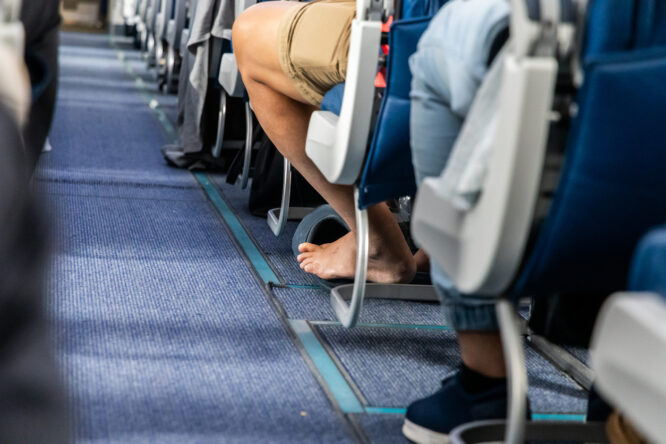
Long flights can make anyone want to kick their shoes off for a while, especially overnight journeys where people try to get comfortable. Flight attendants say going completely barefoot around the cabin is usually a bad idea, though, particularly near the toilets and galley areas.
Plane carpets deal with constant foot traffic, spilled drinks, dropped food, and occasionally much worse. Cabin crew also regularly handle sickness incidents during flights, especially on routes where turbulence or alcohol are involved. While planes are cleaned, the cabin floor still isn’t somewhere most crew members would want direct skin touching for hours.
They’d never use the toilet when meals or snacks are being served.
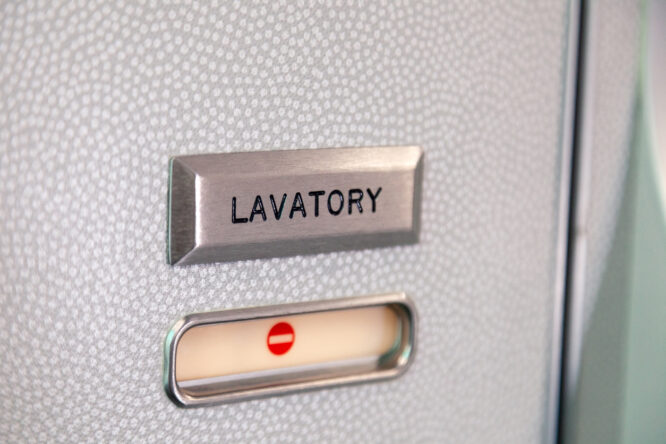
Most passengers have experienced the awkward moment where they stand up to head for the toilet just as the food trolley blocks the aisle completely. According to cabin crew, this causes far more disruption than people realise, especially on full flights where there’s barely enough room for the carts to move through properly.
Passengers often end up stuck awkwardly between rows while staff try serving meals and drinks around them. It slows service down for everyone and creates congestion in already cramped spaces. Frequent flyers often try using the bathroom before meal service starts or waiting until the carts disappear again.
They’d never ask for water when it’s not being offered (unless they were desperate).
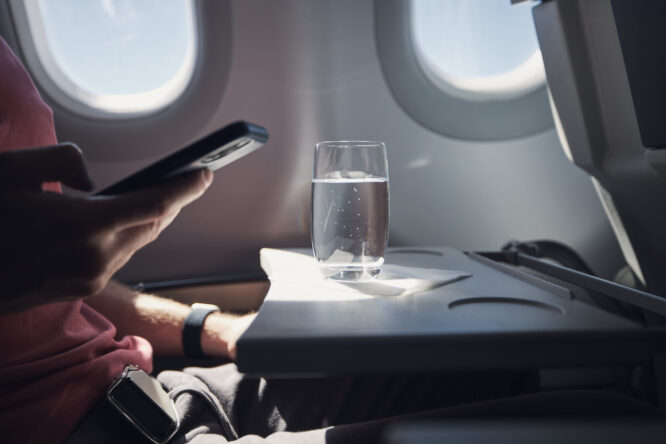
Flight attendants have admitted there’s a funny little psychology trick that happens during drink service. If one passenger visibly receives water, several nearby passengers suddenly decide they’re thirsty too, even if they weren’t planning on asking moments earlier.
Cabin crew sometimes try handing water over discreetly, simply to avoid setting off a chain reaction across the cabin. On busy flights, one visible cup can quickly turn into dozens of extra drink requests all at once. It sounds silly, but experienced crew members say it happens constantly.
They would never board without antibacterial wipes in their carry-on.
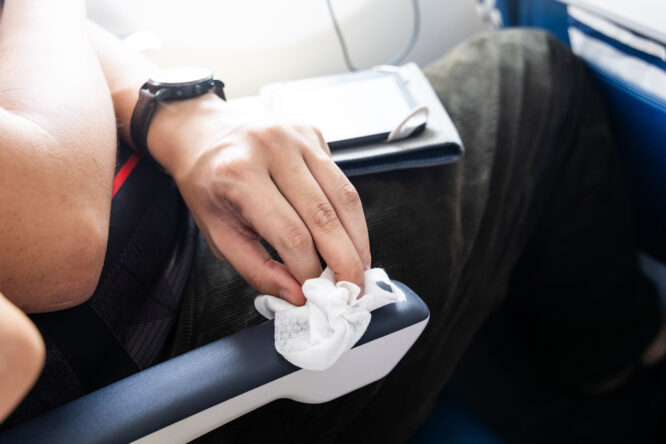
One thing that’s definitely become more common over the last few years is passengers bringing antibacterial wipes onboard and cleaning their own seat area before settling in. What once looked overly cautious now feels fairly normal, especially on long-haul flights.
People commonly wipe down armrests, tray tables, screens, window shutters, and seatbelt buckles before eating or touching their face. Aircraft cabins move huge numbers of people every day, and while cleaning crews work fast, many passengers simply feel better knowing they’ve cleaned the surfaces themselves first.
Most flight attendant advice is really about making the journey smoother.

A lot of airline advice online can sound a bit over the top at first, but most of it comes down to fairly basic common sense. Keep your shoes on. Clean shared surfaces. Don’t block the aisle during service if you can avoid it. Small habits make crowded flights easier for everybody onboard.
Cabin crew spend years seeing the parts of flying most passengers never notice. After hearing some of the stories about tray tables, carpets, and cabin hygiene, plenty of travellers are now boarding planes slightly more prepared than they used to be, usually with wipes packed somewhere close by.