When the weather brightens up, it’s natural to want to head out into the garden and start transforming your outdoor space into a personal sanctuary.
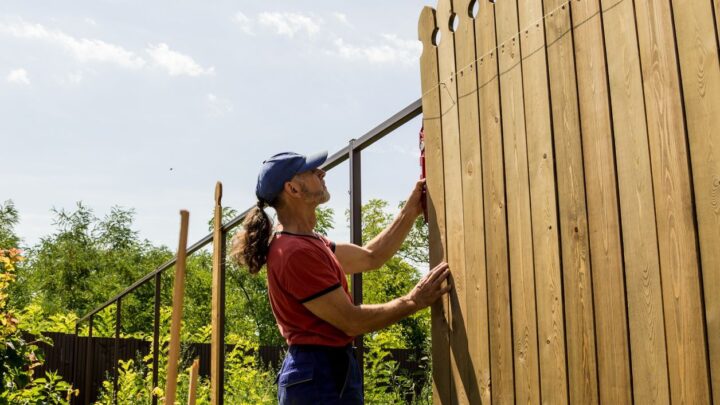
However, before you get carried away with heavy landscaping or building new structures, you need to check whether your big ideas actually comply with local planning laws. A lot of homeowners mistakenly assume that anything built within their own boundary lines is fair game, but making major alterations without the proper permissions can land you in serious trouble with the council.
Local authorities are cracking down on unauthorised garden projects, and failing to secure the right paperwork beforehand can result in a hefty £5,000 penalty. Knowing exactly when you need to ask for the green light is the only way to make sure your dream renovation doesn’t turn into an expensive legal nightmare.
The warning every UK homeowner with a garden should know about
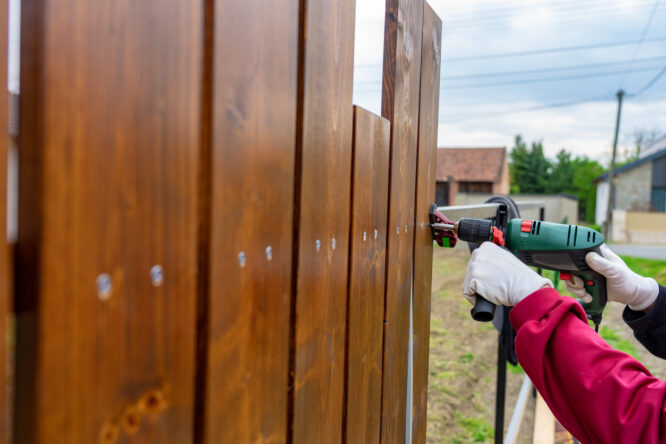
If you’ve been thinking about putting up a new fence, building a seating area, or making any other big change to your garden this spring, there’s a quick check worth doing before you start. Helen Godsiff, brand manager at home improvement specialists Eurocell, has urged households to look into planning permission rules before making any major alterations to their outdoor space.
The reason is that homeowners who push ahead without permission can be hit with an abatement notice from their local council, which is essentially an order to stop the work or undo it. Failing to comply with that notice can lead to fines of up to £5,000, which would take the shine off any garden upgrade pretty quickly.
Why these rules even exist
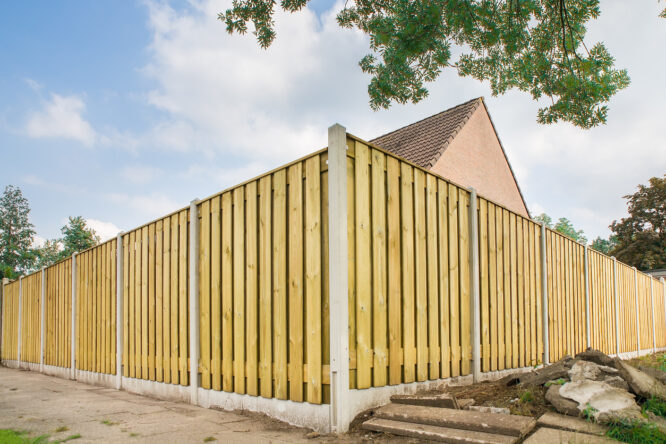
It’s easy to feel a bit hard done by when you find out you might need permission to change your own garden, but the rules aren’t there to be a nuisance. Planning permission helps prevent disputes between neighbours, reduces the risk of long-term issues from poorly thought-out projects, and protects things like local drainage and ecology.
A fence in the wrong spot can block a neighbour’s light. A patio that’s too big or in the wrong material can affect how rainwater drains and contribute to flooding further down the road. The rules exist to keep all of that in check, which is why councils take enforcement seriously when something gets done without approval.
What you might need permission for
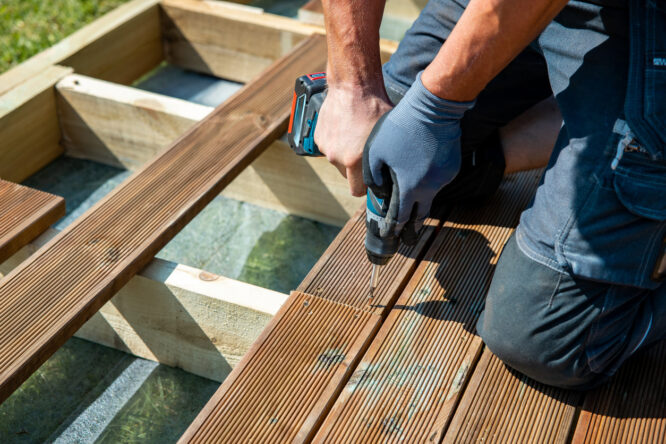
Plenty of garden changes require planning permission, especially anything that majorly alters the look, size, or drainage of your outdoor space. Big seating areas, large decking platforms, raised patios, garden walls and fences over a certain height, outbuildings beyond a certain size, and major landscaping that changes the ground level all fall into the category where you’d want to check first.
The rules vary slightly depending on whether you live in a conservation area, whether your home is listed, and how close your changes are to a boundary or a public road. Front gardens have stricter rules than back gardens, particularly when it comes to walls, fences, and anything that affects how the property looks from the street.
What you can usually do without asking
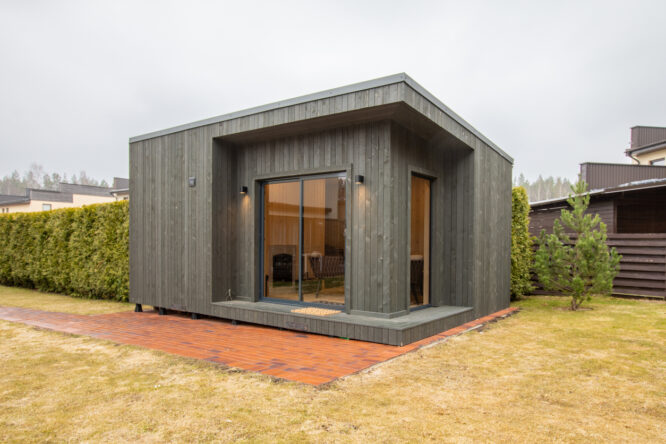
The good news is that loads of garden upgrades fall under what’s called Permitted Development, which means they don’t need planning permission as long as they meet certain conditions. Garden rooms, for example, are often designed specifically to fit within the Permitted Development rules, with limits on height, footprint, and how close they sit to the boundary of your property.
Composite decking that sits below 30 cm in height is usually straightforward and rarely needs approval. Smaller landscaping changes, replacing existing patios with similar materials, and putting up fences below a certain height are also generally fine. The trick is knowing where the line is, which is why a quick call to your local planning department before you start can save a world of trouble.
How to check before you start

Your local planning authority, which is usually your council, is the place to go before any big garden work. Most councils have a planning section on their website where you can find out what’s permitted in your area, and you can ring or email if you’re not sure. They’ll make a judgement based on things like flood risk, the impact on local wildlife, and how the changes might affect neighbouring properties.
If you’re hiring a tradesperson to do the work, a good one will usually know what needs permission and what doesn’t, but it’s still worth checking yourself rather than relying entirely on what they tell you. The Planning Portal website is another useful starting point for general guidance.
What happens if you don’t check

If you crack on with work that needed permission and didn’t get it, the council can issue an abatement notice telling you to stop the work or remove what you’ve already done. Ignoring that notice is what triggers the fines, which can run up to £5,000 in the magistrates’ court.
In some cases, you might also be ordered to put the garden back the way it was, which can mean ripping up patios, taking down fences, or removing structures you’ve spent good money installing. There have been recent cases of homeowners being told to tear down extensions and structures after neighbours complained, which is the kind of expensive nightmare nobody needs.
The neighbour factor

One thing worth knowing is that a lot of these enforcement cases start with a neighbour complaint. If your changes affect their view, their light, their privacy, or their drainage, they have every right to raise it with the council, and the council has to follow up.
The polite thing to do, even when you don’t strictly need to, is to let your neighbours know in advance about any major garden work you’re planning. It heads off most disputes before they start, and it tends to keep things on good terms even if they’re not exactly thrilled. A short conversation over the fence is much cheaper than a magistrates’ court appearance.
Sensible advice before you start
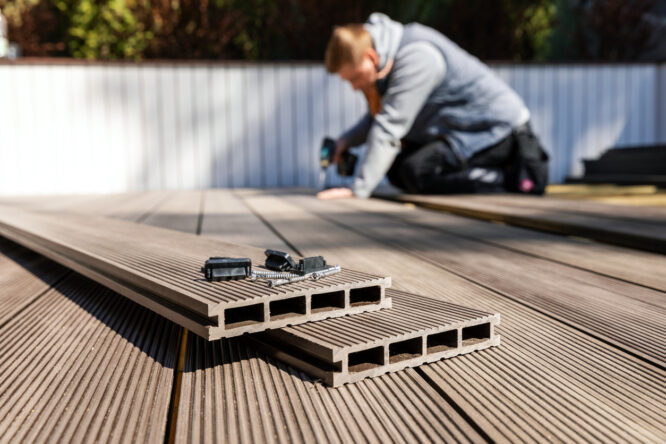
The key bit of advice from Eurocell’s brand manager is simple. Whatever the project, research the regulations before you start. That way you can avoid unexpected fines, awkward conversations with the planning officer, and the much worse scenario of having to undo work you’ve already paid for. Most projects can be designed to fit within the rules, often with a small tweak to the size or position of what you were planning. The hassle of checking is small. The hassle of getting it wrong is enormous. A bit of homework now saves a lot of stress later.
Spring is the time of year when most people start thinking about doing something with the garden, and there’s nothing wrong with making your outdoor space exactly how you want it. Just make sure your improvements are improvements rather than expensive mistakes, and check with the council before the spades come out.