Carrying a refillable flask around everywhere has become second nature for most of us trying to stay hydrated.
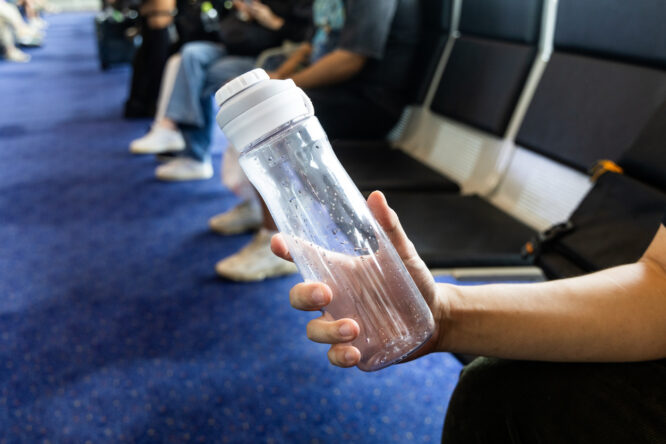
It sits on your desk, rides in your bag, and comes to the gym, so it’s easy to assume that because you only ever put fresh water in it, it stays perfectly clean. However, according to the experts who study bacteria for a living, that couldn’t be further from the truth.
The dark, damp interior of your favourite bottle is actually an absolute paradise for all sorts of microscopic grime to thrive. If you’re not washing it properly every single day, you’re likely swallowing far more than just a refreshing drink with every single sip.
Why this is suddenly making headlines
A US study by WaterFilterGuru sent ripples through health circles when it revealed that the average reusable water bottle contains around 20.8 million colony-forming units of bacteria. To put that in plain numbers, your bottle can hold roughly 40,000 times more bacteria than a toilet seat, five times more than a computer mouse, and around 14 times more than your dog’s water bowl. That’s a lot of small things you’d rather not be drinking out of every day.
The reason for all this comes down to moisture, warmth, and the constant transfer of bacteria from your mouth and hands. Every sip introduces a fresh dose of microbes from your saliva, and the lid, spout or straw gets handled with whatever’s currently on your fingers. Throw a bottle in your bag without rinsing it, leave it in a warm car, or refill it without washing first, and you’ve essentially built a small, portable laboratory for bacteria to multiply in.
What the swabs actually found

When researchers swabbed reusable bottles in the study, they identified two main bacterial culprits. The first was gram-negative rods, a category of bacteria that’s increasingly being linked to antibiotic-resistant infections and is associated with conditions like pneumonia and certain hospital-acquired infections. The second was bacillus, some forms of which can cause food poisoning, gastrointestinal upset and other infections that nobody fancies dealing with after a workout.
A separate Brazilian study looking specifically at gym-goers’ water bottles found similar results, with Staphylococcus and E. coli among the bacteria identified. E. coli is particularly worth flagging because it usually comes from a faecal source, which means it travels onto bottles via unwashed hands after using the toilet. The amount of E. coli found on typical water bottles was similar to levels found on toilet seats, which is the kind of statistic that genuinely makes you want to rinse your bottle out right now.
Mould and mildew are the other hidden problem.
Bacteria isn’t the only thing making itself at home in your bottle. Mould and mildew are equally common, particularly in bottles with rubber seals, straws, silicone gaskets and complicated lid mechanisms. These features are great for stopping leaks but absolutely brilliant for trapping moisture, food residue and warmth, which is exactly what mould needs to flourish.
Mould typically shows up as black, brown or greenish fuzzy patches with a slightly raised, slimy texture, while mildew tends to be flatter and appears in shades of grey, white or light brown. If you spot either, that’s a clear sign your cleaning routine isn’t reaching everywhere it needs to. Mould spores can trigger respiratory issues, allergy flare-ups and worsening asthma in sensitive people, so it’s not something to brush off as just a bit grubby looking. Anyone with hay fever or breathing conditions should be especially vigilant about this.
The symptoms a dirty bottle can actually cause
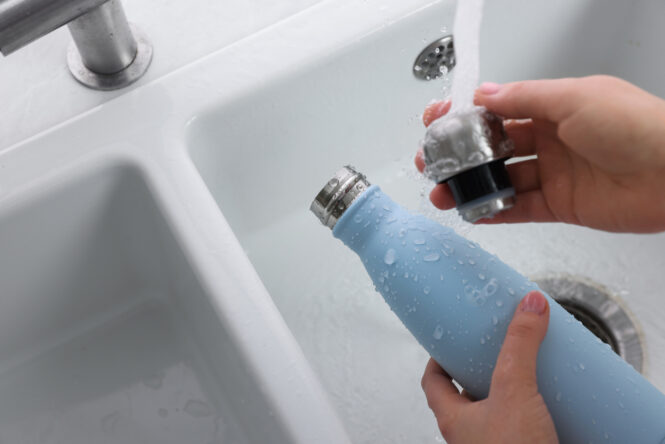
Drinking from a properly contaminated bottle won’t usually put you in hospital, but it can leave you feeling rubbish in ways you might not connect back to the bottle itself. Stomach upsets, vomiting, diarrhoea and general nausea are the most common symptoms. Some people experience throat irritation, a strange taste in the mouth, or unexplained coughing that won’t shift. Allergy and asthma symptoms can worsen, too, particularly if mould is involved.
Pregnant women, very young children, older adults and anyone with a weakened immune system are at the highest risk of becoming genuinely unwell from contaminated water bottles. For most healthy adults, the body will usually fight off the bacteria without too much drama, but you can still end up feeling under the weather and not realising the culprit has been sitting on your desk for three days. If you keep getting low-level tummy troubles or throat irritation, it might be worth giving your bottle a proper deep clean before going down any other diagnostic path.
The bottle features most likely to harbour bacteria
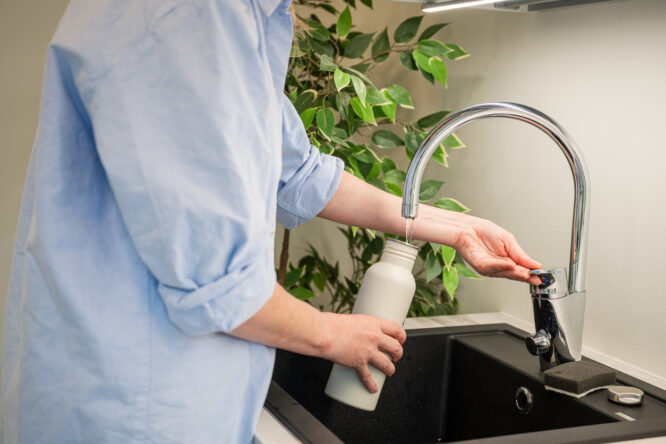
Not all bottles are equally dirty. The WaterFilterGuru study found that spout-top and screw-top lids carried the highest bacterial loads, averaging around 30 million colony-forming units each, which is roughly three times more bacteria than a kitchen sink. Straw lids and squeeze tops also performed badly, since the bacteria gets trapped inside narrow channels that are virtually impossible to scrub properly with a normal sponge.
Plastic bottles tend to be worse than stainless steel ones, partly because plastic gets scratched more easily, and those microscopic scratches give bacteria perfect little hiding places to settle in and multiply. Reusing single-use plastic bottles like the ones you’d buy from a corner shop is particularly bad because the plastic isn’t designed for repeated washing and starts breaking down quickly. Stainless steel bottles with simpler lids and fewer crevices are generally the easiest to keep properly clean, although they still need attention every day.
How often you should actually be cleaning your bottle
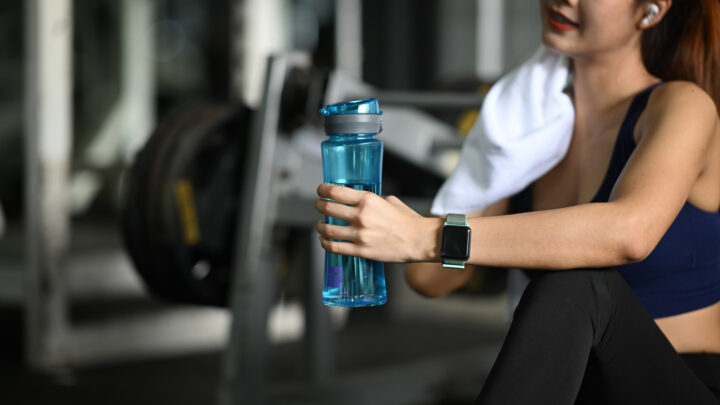
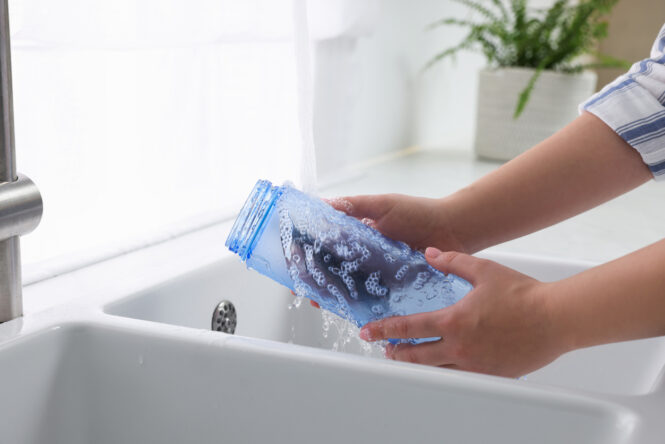
Microbiologists are pretty unanimous on this one. A quick rinse with cold water isn’t cleaning, no matter how convenient it feels. Bottles should be washed properly at least once a day, every day, with hot soapy water. A weekly deep clean to sanitise the bottle and tackle any hidden buildup is also recommended, particularly for the lid, straw and any rubber seals where bacteria love to lurk.
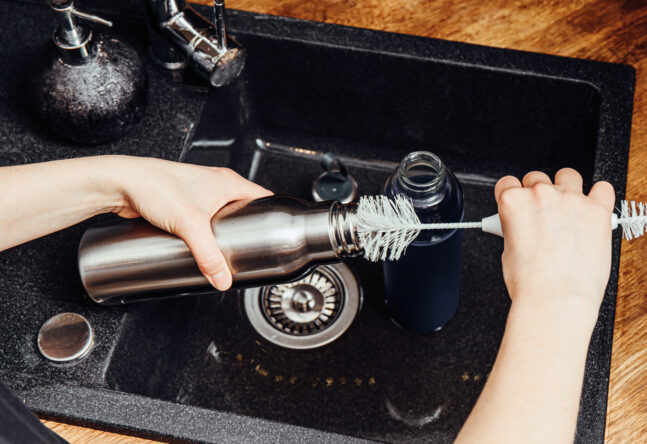
Dr Primrose Freestone, an associate professor in clinical microbiology at the University of Leicester, recommends using water hotter than 60 degrees Celsius for cleaning, since most pathogens can’t survive that temperature. Add washing-up liquid, swirl it around the bottle, and leave it for around ten minutes to give the detergent time to break down any biofilm clinging to the surfaces. A bottle brush is essential for getting into the bottom and sides, and a smaller brush is well worth having for the lid and straw. After washing, let your bottle air dry completely upside down rather than putting the lid back on while it’s still damp, since trapped moisture is exactly what bacteria want.
What to do for a proper weekly deep clean
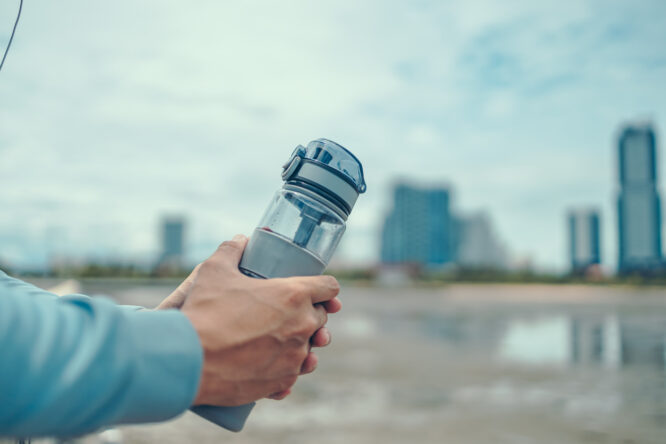
For a deeper clean, white vinegar is a brilliant natural option. Fill your bottle halfway with equal parts water and white vinegar, leave it overnight, then wash thoroughly with soap and water in the morning. The vinegar breaks down mineral deposits, kills off most bacteria and helps remove any lingering odours. Bicarbonate of soda works well too, especially for stainless steel bottles that have started to develop a metallic taste or smell.
For bottles that have got particularly grim, a denture cleaning tablet dropped into warm water and left for a few hours can work wonders. The tablets are designed specifically to break down biofilm and kill bacteria in tight spaces. If your bottle is dishwasher safe, the dishwasher does a good job of reaching temperatures that hand washing can’t always match. Just check the manufacturer’s instructions first, since some bottles aren’t designed for that kind of heat. The lid and straw should always be taken apart and washed separately, since this is where the bulk of the bacteria collects.
When it’s time to actually replace your bottle
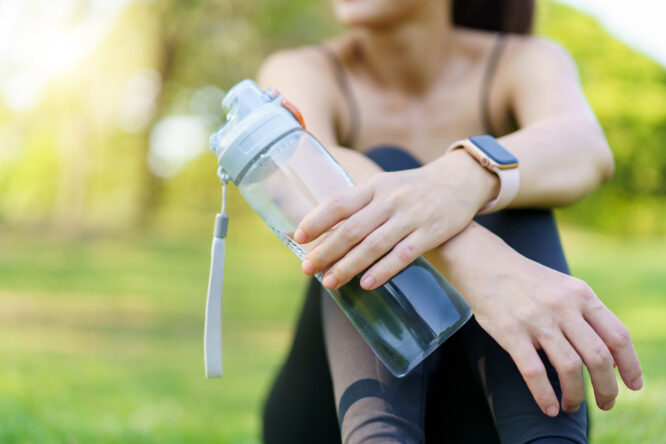
Some bottles can’t be saved, no matter how much you scrub. Deep scratches and cracks trap bacteria in places no brush can reach, and once the inside surface is damaged, you’re fighting a losing battle. Persistent smells that won’t disappear even after a vinegar soak usually indicate embedded mould or biofilm that’s worked its way into the material itself.
Damaged seals, chipped plastic, peeling coatings or permanent discolouration are all signs your bottle has reached the end of its useful life. As much as we want to be sustainable about it, sometimes the most sensible thing to do is replace it. A reusable bottle that’s making you ill isn’t really doing the environment any favours either, since it might mean trips to the GP, antibiotics, and missed days at work that all come with their own footprint. A good quality stainless steel bottle, looked after properly, should last years.
Reusable water bottles are still worth having
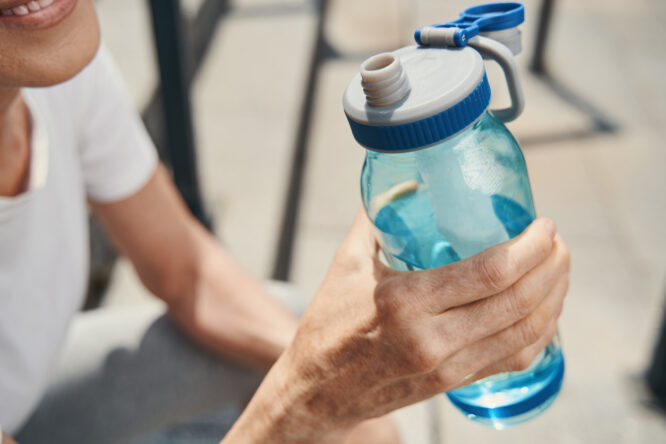
None of this means you should panic and chuck your bottle in the bin tonight. Reusable bottles are still genuinely good for the planet, your wallet, and your hydration habits. The trick is just to clean them properly, every day, rather than treating them as something that magically stays fresh because it’s only had water in it. Water plus warmth plus traces of saliva equals bacteria heaven, and a quick rinse simply isn’t enough to keep it in check.
Treat your water bottle like you’d treat a plate or a mug. You wouldn’t use the same mug for a fortnight without washing it, even if you only ever put tea in it. The same logic applies here. A daily wash with hot soapy water, a proper weekly deep clean, and a replacement when it’s clearly past its best is all it really takes. Get into the habit and your bottle stays a useful tool for healthy hydration rather than a small, portable bacterial colony you carry around in your bag.