Most of us only think about our pipes when dirty water starts backing up into the sink or the toilet decides to overflow.
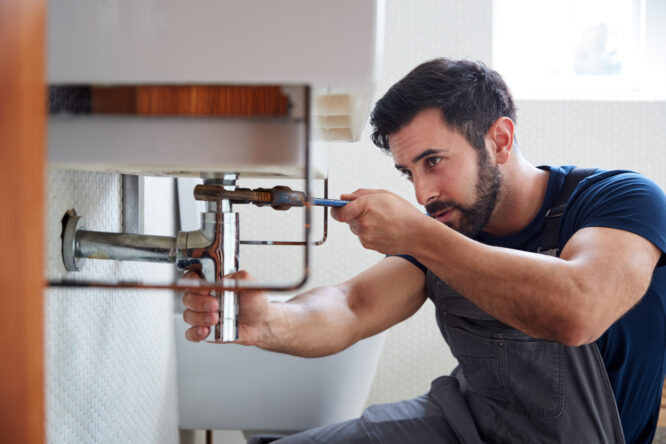
It’s usually at that exact moment, while waiting for a professional to turn up and save the day, that we try to fix the issue ourselves and inadvertently make everything ten times worse. Plumber spend half their working lives pulling bizarre blockages out of drains and fixing terrible DIY botch jobs that homeowners thought were clever fixes.
There’s a pretty big difference between being handy and causing a total disaster behind your drywall. If you want to keep your system running smoothly and avoid a massive emergency call-out bill, it helps to know which common habits are driving your local specialist up the wall.
Flushing things that absolutely should not be flushed
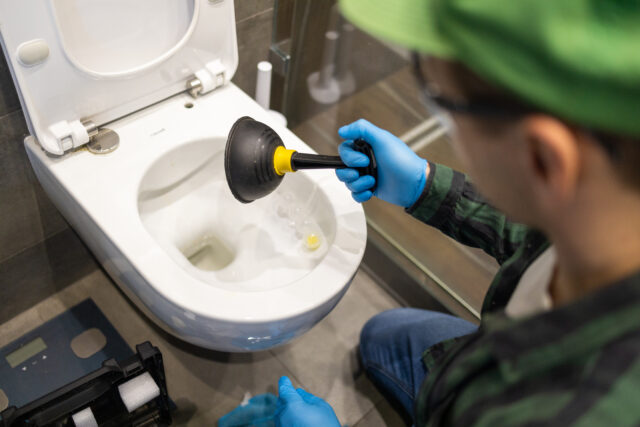
This is the single biggest problem plumbers report, by a long way. The toilet is not a bin, and yet the list of things plumbers have pulled out of pipes is genuinely astonishing. Hairbrushes, toothbrushes, mobile phones, action figures, soap bottles, dummies, kids’ toys, full meals of leftover food, and somehow even five-gallon buckets’ worth of coins blocking municipal sewer mains.
One plumber described being called to a toddler who’d spent two months flushing anything he could fit, with a Wolverine action figure eventually being pulled out by his metal claws after they caught in the toilet trap. Toilets are designed for one job, and anything that isn’t human waste or loo roll is going to cause problems eventually.
Flushing wipes and anything labelled “flushable”
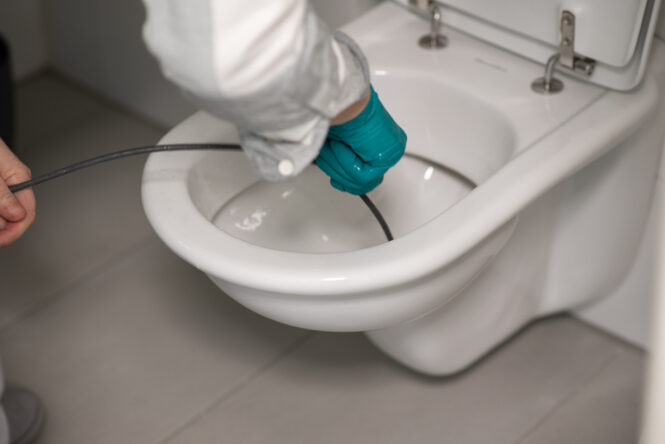
The word “flushable” on a packet is one of the biggest lies in modern manufacturing. Wet wipes, baby wipes, makeup wipes, and even ones labelled as flushable do not break down properly in your pipes. They stay intact, gather in the bends of your plumbing, catch other debris, and eventually form what plumbers call fatbergs in the wider sewer system.
Plumbers have stories of entire basements flooding because of repeated flushing of items that should have gone in the bin. Nothing labelled “flushable” actually breaks down the way loo roll does. Bin it instead.
Using the toilet as a food disposal
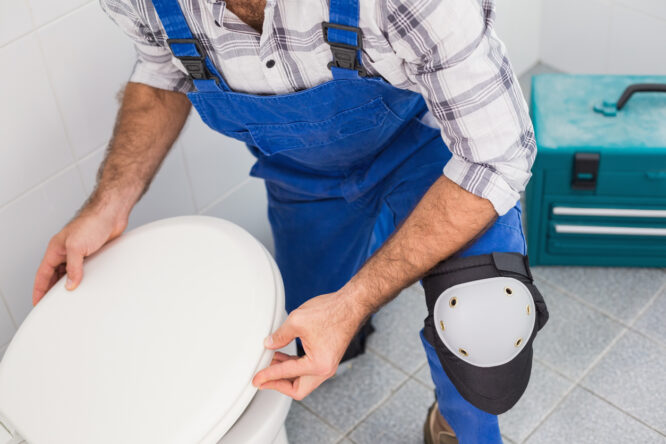
Plumbers report being called to clear toilets that have been used to dispose of leftover meals, rotten meat, gravy, cooking oil, and Christmas dinner remnants. One plumber was called out on Christmas Eve to an older lady who’d been using her toilet as a garbage disposal for weeks.
Another was called to a man who’d flushed rotten meat from his fridge, watched it block the toilet, and then continued using the toilet on top of the rotten meat for a week before calling for help. Food belongs in the bin or the food waste caddy. Down the toilet, it sits in your pipes, attracts other debris, and turns into a properly grim job for someone to remove.
Tipping fat and oil down the sink
Hot fat from a roasting tin looks like a liquid going down the drain, but it cools and solidifies in your pipes within minutes. Over months and years, this builds up into thick layers that eventually block the whole pipe. The same goes for cooking oil, bacon grease, butter, and any other fat.
Plumbers see this constantly, particularly in kitchens that look spotless above the sink. The fix is straightforward. Let fat cool in the pan or pour it into an old jar, then bin it. Wiping greasy pans with kitchen roll before washing them helps too. Your pipes will thank you, and so will the public sewer system you’re connected to.
Ignoring small leaks for months
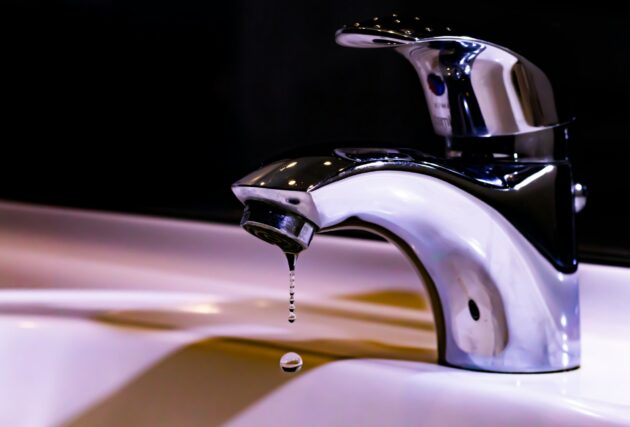
Plumbers say one of the most expensive habits homeowners have is putting off small leaks. A slow drip under the sink, a damp patch on the ceiling, a tap that won’t quite stop running, a toilet that keeps refilling on its own. All of these get ignored for weeks or months because they don’t seem urgent.
By the time someone rings a plumber, what would have been a £50 fix has become a £2,000 repair involving floorboards, plasterwork, and possibly a new ceiling. Water damage spreads silently behind walls and under floors, and by the time you can see or smell it, the damage underneath is usually major. If something is leaking, even slowly, get it sorted now.
Using drain cleaner instead of calling someone
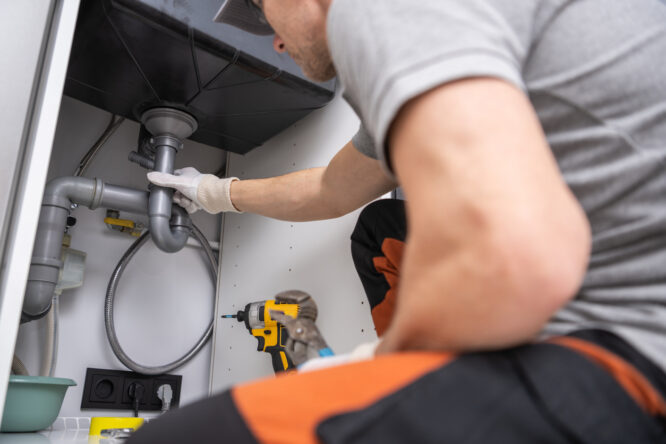
This one is properly common and properly bad. Shop-bought drain unblockers contain harsh chemicals that, used repeatedly, eat away at the inside of your pipes. They might clear a minor blockage in the short term, but they also weaken the pipework, which means a much bigger problem further down the line.
They’re also genuinely dangerous to inhale, splash on skin, or get into your eyes. Most plumbers would much rather you rang them for a properly blocked drain than poured a load of caustic chemicals down it first. A plunger, a drain snake, or a kettle of hot water with washing-up liquid will sort most everyday clogs without damaging anything.
Letting kids treat the bathroom like a playroom

Plumbers see endless toys, toothbrushes, hairbands, and bath accessories pulled out of toilet traps and sink U-bends. Small children genuinely don’t understand that things they flush don’t come back, and bathrooms are one of the most popular places for them to experiment.
Anything small enough to fit through the toilet bowl will eventually get tested if it’s left in reach. The fix isn’t to panic, it’s to keep the bathroom door shut, put small bathroom items in cabinets or up high, and check what’s in the bath before pulling the plug. Toy submarines, bath crayons, and small Lego pieces are particular culprits.
Hiding leaks with paint or plaster
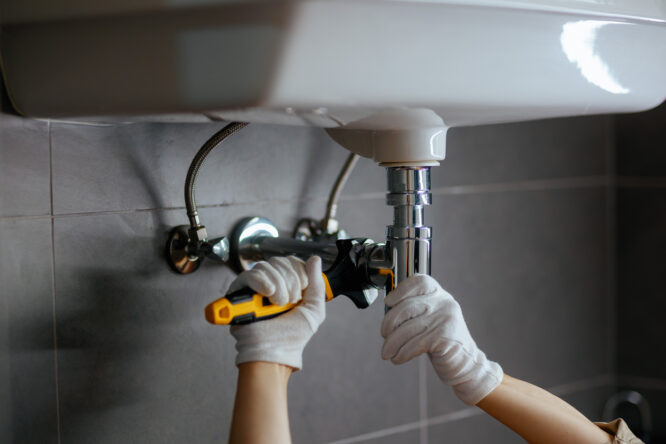
Some homeowners notice a damp patch on the ceiling or wall and decide the easiest fix is a fresh coat of paint. Plumbers report seeing this all the time, particularly in homes being prepped for sale. The trouble is that the leak is still there. The water is still spreading. The mould is still growing behind the paint.
Covering it up doesn’t make the problem go away, it just delays the moment when it becomes someone else’s problem, or yours all over again. A damp patch is a symptom, not a decorating issue. Find out where the water is coming from before you paint over anything.
Not knowing where the main water shut-off valve is
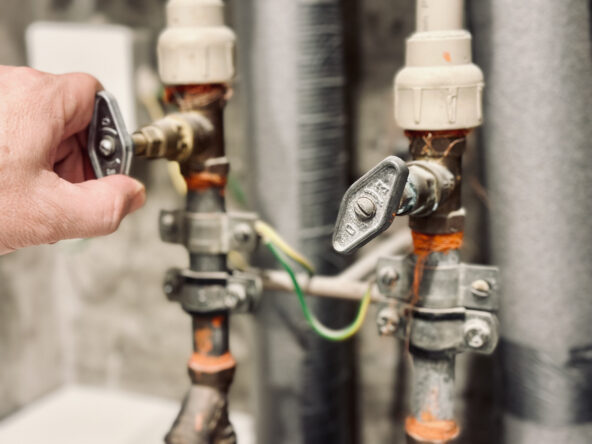
This sounds basic, but it catches people out constantly. Plumbers turning up to flooded kitchens and bathrooms regularly find that the homeowner has no idea where the main water shut-off is. Every minute the water keeps running while someone hunts for the valve is more damage, more cost, and more chaos. It’s usually under the kitchen sink, in a cupboard nearby, or sometimes in a basement or utility room.
Find yours before you need it. Test it works. Make sure everyone in the house knows where it is. In a real emergency, this single piece of information can save you thousands.
Letting hair build up in plugs
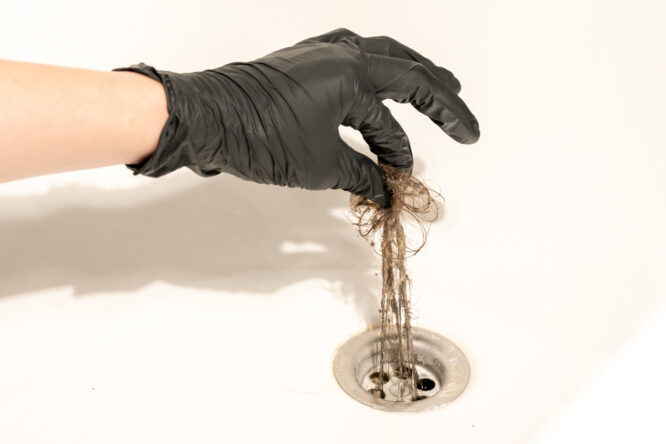
Hair is the second-biggest cause of blocked drains after wipes, and it builds up much faster than people realise. A few strands a day, day after day, eventually become a properly impressive lump tangled around the drain mechanism. Plumbers pull out chunks the size of small animals on a regular basis.
A cheap plug-hole hair catcher, available for a couple of pounds, sits over the drain and traps the hair before it goes down. You empty it once a week. It’s one of the highest-value bits of kit you can buy for any bathroom.
Treating the bathroom sink like a bin
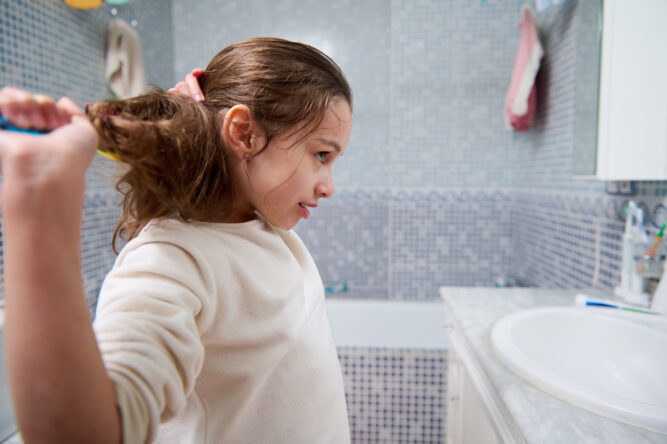
People treat the bathroom sink like a bin in a way they wouldn’t with the kitchen sink. Hair from a hairbrush, nail clippings, makeup wipes squeezed out, the dregs of moisturiser, melted candle wax, even small bits of jewellery that have been “rinsed off.” All of this builds up in the U-bend over time and contributes to slow drainage.
Plumbers also report finding properly strange things, including jars of years’ worth of nail clippings someone had been keeping under the sink. Wash off what genuinely needs washing off, bin the rest.
Trying to fix it themselves without knowing what they’re doing
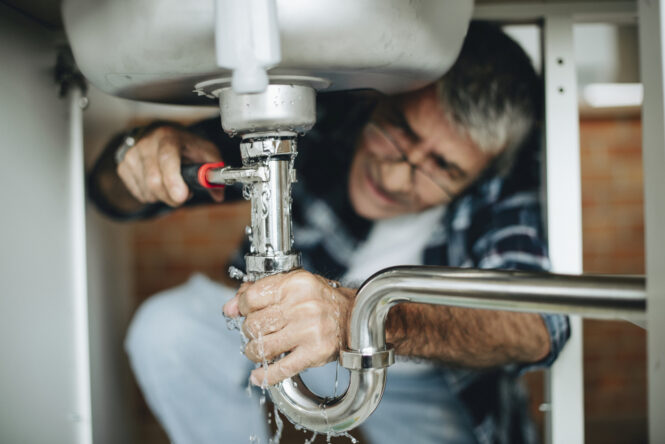
YouTube has created a generation of homeowners who genuinely believe they can replace a toilet cistern, fit a new tap, or fix a leaking radiator after a 15-minute video. Sometimes they can, and good for them. But plumbers also tell stories of being called to homes where someone has stripped the threading on a pipe, cross-threaded a valve, used the wrong washer, or forgotten that water tends to be under pressure.
A small mistake during a DIY job can become a flooded house in minutes. Genuinely simple jobs are worth a go. Anything involving the boiler, the mains, the gas, or any major plumbing work, get someone in. The cost of the call-out is much smaller than the cost of getting it wrong.
Never having boilers or systems serviced
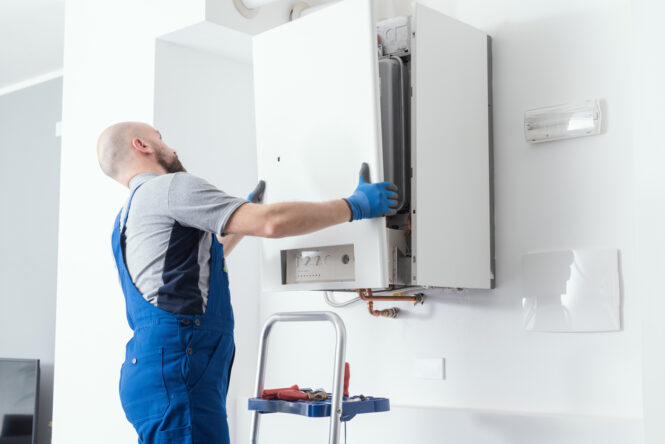
Plumbers see endless boilers that haven’t been serviced in five, ten, or fifteen years. Boilers should be serviced annually, both for safety reasons and to keep them running efficiently. An unserviced boiler is more likely to fail at the worst possible moment, usually mid-winter, on a weekend.
It’s also more likely to develop carbon monoxide issues, which can be genuinely dangerous. The annual service costs less than a hundred pounds and takes about an hour. It also keeps your warranty valid, which can save you thousands if something goes wrong with a relatively new boiler.
What plumbers actually want you to know

The big message from people who do this for a living is that most plumbing disasters are avoidable. Treat your drains gently. Bin anything that isn’t loo roll or human waste. Don’t pour fat down the sink. Fix small leaks before they become big ones. Know where your main water shut-off is. Get your boiler serviced, don’t paint over damp patches, and if something is genuinely beyond your skill set, ring someone before you make it worse.
Plumbers don’t mind being called out, but they’d much rather come and sort a small problem than spend hours undoing a much bigger one that started with a five-minute decision. The grimmest plumbing stories nearly all start with small bad habits that got out of hand. Most of them could have been avoided if someone had thought twice before flushing, pouring, or ignoring something. Treat your plumbing with a bit of respect, and most of the horror stories never happen in the first place.