Pouring a capful of fabric conditioner into the washing machine feels like the ultimate way to get your laundry extra soft, fluffy, and smelling amazing.
It’s a routine step for most of us when we load up a wash, built on the assumption that a bit of softener makes every single piece of clothing better. However, that thick, scented liquid works by leaving a slippery chemical coating over the fabric, which can be an absolute disaster for certain materials.
Instead of keeping your items in top condition, using it on the wrong loads can completely destroy their ability to absorb water, breathe, or stretch. If you want to stop accidentally ruining your gear, you need to know which common household staples should never come into contact with softener.
What fabric conditioner actually does

Fabric conditioner, sometimes called fabric softener, works a bit like hair conditioner but for your clothes. It coats the fibres with a thin, waxy layer that makes everything feel softer, reduces static cling and helps cut down on wrinkles. For lots of fabrics, that’s genuinely lovely, leaving your clothes feeling cosy and smelling fresh.
The problem is that the very thing that makes fabric conditioner work, that waxy coating, is exactly what causes trouble on certain materials. On some fabrics, the coating clogs up tiny pores, reduces absorbency or even breaks down special protective treatments. So while it’s brilliant for your bedsheets and everyday cottons, there are a few things you should be keeping well away from it.
1. Towels

This one surprises a lot of people because most of us add fabric conditioner specifically hoping to keep our towels soft and fluffy. The reality is the complete opposite. Towels are designed to soak up water, and the waxy coating that fabric conditioner leaves behind actually reduces their ability to absorb moisture.
Over time, this coating builds up, and your towels start to feel waxy, stiff or less fluffy rather than soft. The little loops in terry towelling stick together and the fabric loses its structure. The result is a towel that pushes water around rather than drinking it up, which rather defeats the point.
Instead of fabric conditioner, wash your towels with a regular detergent. Every now and then, give them a wash at a higher temperature if the label allows, which helps strip away any built-up residue. A splash of white vinegar in the drawer can soften them naturally without clogging the fibres.
2. Workout and sportswear
If you wash your gym kit, running gear or any sweat-wicking clothing with fabric conditioner, you’re slowly sabotaging it. Performance fabrics like polyester, nylon, spandex, and elastane are designed with tiny pores that pull sweat away from your skin and let it evaporate, keeping you cool and dry during exercise.
Fabric conditioner clogs up those tiny pores with its waxy coating, which stops the fabric from wicking moisture properly. Not only does this make your sportswear less effective, it also traps sweat and bacteria in the fibres, which leads to that horrible lingering musty smell that no amount of washing seems to get rid of.
Instead, wash your activewear in cold water with a regular or enzyme detergent. A little white vinegar added to the wash helps soften the fabric and tackle odours naturally, and air drying or tumble drying on low keeps everything in good nick.
3. Water-repellent and waterproof items
Anything designed to keep water out should never go anywhere near fabric conditioner. This includes raincoats, waterproof jackets, outdoor gear and technical fabrics. These items have a special coating built into the material that stops water soaking through, which is exactly what you want when you’re caught in a typical British downpour.
Fabric conditioner breaks down this water-repellent coating, leaving your expensive waterproofs far less effective at actually keeping you dry. Once that protective layer is compromised, water starts seeping through and your jacket becomes little more than a damp sponge.
To look after these items properly, wash them with a gentle detergent designed for technical fabrics. If the care label allows, a low tumble dry can actually help reactivate some water-repellent coatings, giving your gear a new lease of life.
4. Children’s sleepwear and flame-resistant clothing

This is the most important one to remember because it’s a genuine safety issue rather than just a matter of fabric care. Many children’s pyjamas and sleepwear items are treated with a flame-resistant coating, which is a built-in safety feature designed to slow down how quickly the fabric catches fire.
Fabric conditioner leaves behind a waxy, greasy layer that builds up on the fabric over repeated washes. This buildup can actually make flame-resistant clothing more flammable, completely undoing the safety treatment that was put there to protect your child. It’s a quietly dangerous mistake that loads of parents make without ever realising. To keep these items safe, always check the care label and avoid fabric conditioner entirely on anything labelled as flame-resistant. A standard detergent wash is all these items need.
A few other things worth knowing
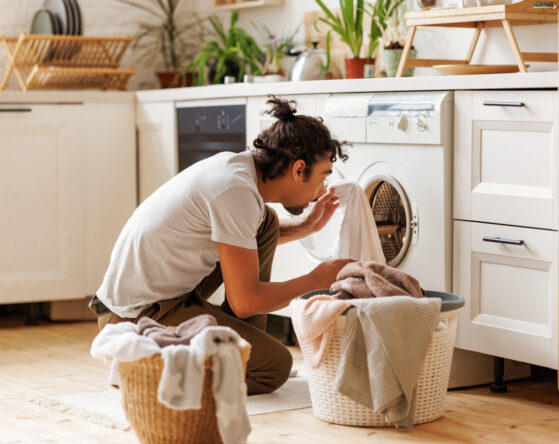
While those four are the main culprits, there are a couple of other items worth keeping away from fabric conditioner too. Swimwear, made from stretchy synthetic fabrics, can be damaged by the coating, which slows down drying and can leave a musty smell or even encourage mould. Down and feather-filled items like duvets and padded coats also suffer, since the conditioner coats and flattens the feathers, ruining the fluffy air pockets that keep them warm.
Microfibre cloths are another one to avoid, since the whole point of microfibre is its grabbing, cleaning power, which the waxy coating completely cancels out. And if you want your whites to stay bright, skip the conditioner there too, as the fatty residue can attract dirt over time and leave whites looking dull or grey.
What to use instead
The good news is that you don’t actually need fabric conditioner to keep your laundry soft and fresh. White vinegar is the cheap, natural hero here. Adding a small amount to your machine’s conditioner drawer softens fabrics, helps remove detergent residue and tackles odours, all without leaving any waxy buildup. Don’t worry about your clothes smelling of vinegar, either, as the smell disappears completely once everything is dry.
Wool dryer balls are another brilliant alternative. Pop a few in the tumble dryer, and they soften fabrics, reduce static and cut down drying time, all without any chemicals or coatings. For the items where fabric conditioner is perfectly fine, like your everyday cottons, bedsheets and jumpers, carry on using it as normal. Just keep it away from the four things above, and your towels, sportswear, waterproofs and children’s sleepwear will all work exactly as they should for much longer.