It’s completely natural to want fast results when you’re trying to slim down for an event or just trying to kickstart a healthier routine.
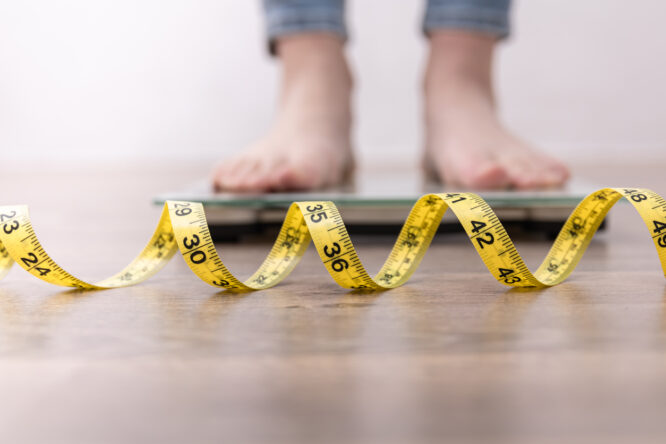
Of course, fixing your focus on a seven-day deadline usually sets you up for a miserable week of starvation and frustration. Health experts point out that chasing a massive drop on the scales in such a short window completely misses how the body actually functions. It forces you into a cycle that destroys your energy levels without doing anything to help you keep the weight off long-term. Changing the way you measure progress is the only real way to get results that stick.
A week isn’t really enough time to see any meaningful difference.
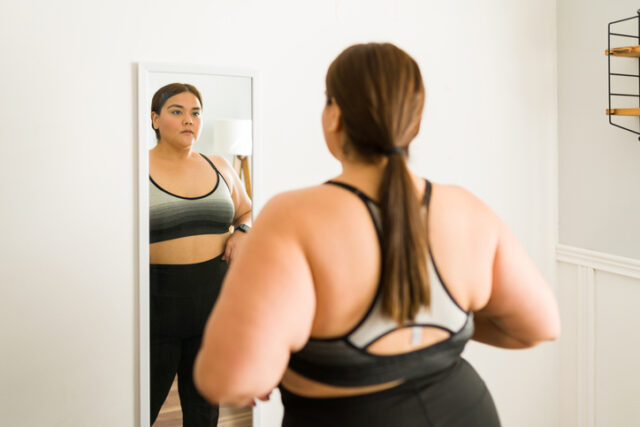
Seven days isn’t a lot of time, and around a third of those days you’ll be asleep, which isn’t really burning many calories. The simple maths of weight loss is that to lose a pound of fat, you need to burn 3,500 calories more than you eat. To lose two pounds, you need a deficit of 7,000 calories.
The Centers for Disease Control and Prevention says one to two pounds a week is a safe amount to lose if you’re doing it slowly and steadily. So even if everything is going right, you’re looking at a couple of pounds at most, and most of that won’t actually be visible to anyone else.
The scale can drop more, but it’s not really fat.
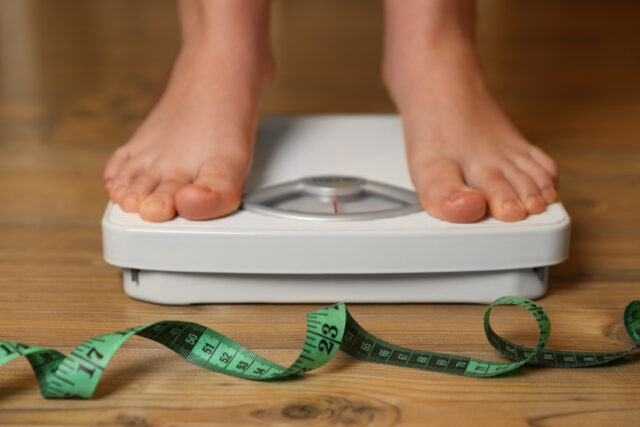
Plenty of “lose weight in a week” plans do produce a bigger drop on the scale, sometimes up to five pounds. The catch is that most of what’s coming off isn’t fat at all. It’s water weight, lost glycogen stores, and the contents of your digestive system.
Genuine fat loss is slow, and there’s only so much you can change in seven days, no matter how strict you are. The scale moving feels satisfying, but it’s mostly telling you that your body has temporarily got rid of water, and water comes straight back as soon as you eat normally again.
The bigger problem with the question itself shouldn’t be ignored.
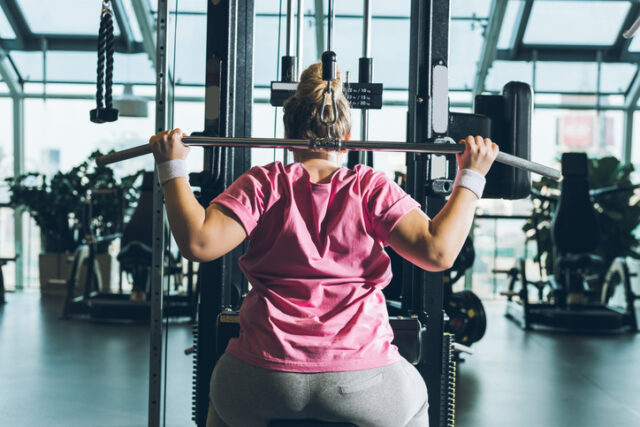
This is the bit that nutritionists and therapists really want people to hear. Asking how much weight you can lose in a week tends to lead people straight into territory that isn’t healthy. Skipping meals, cutting whole food groups, doing two workouts a day, using laxatives, drinking very little water and a lot of black coffee.
None of these things are healthy, and most of them are properly disordered eating in disguise. The fact that they’re dressed up as a “plan” or a “challenge” doesn’t make them less harmful. The experts in this field are pretty clear that anything that leaves you feeling unwell, weak, light-headed, or obsessive isn’t a diet, it’s a problem.
There’s a rebound effect nobody warns you about.
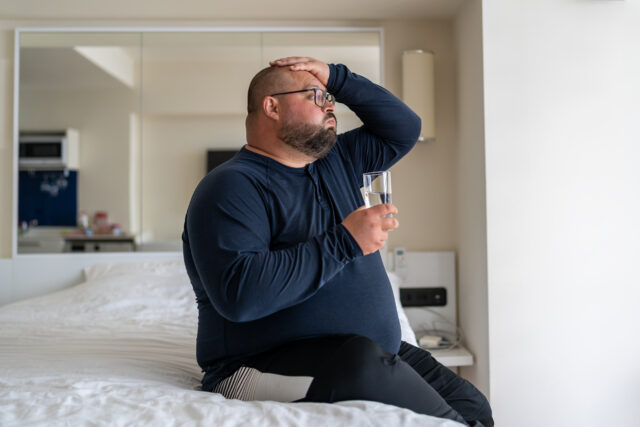
Even if you do manage to lose a bit of weight quickly through cutting calories hard, the research shows that nearly everyone puts it back on, often with extra. A 2022 review of weight-loss research found that only about 25% of people manage to keep weight off for a year or more through diet and exercise alone.
That’s because most people are lazy or weak-willed. It’s because rapid weight loss triggers a load of biological responses, including a slower metabolism, increased hunger, and the loss of muscle, all of which make it much harder to keep the weight off. Gaining and losing weight in cycles is also genuinely bad for your health, often worse than just staying at a slightly higher weight.
You might not actually need to lose weight at all.

The other thing the experts keep flagging is that loads of people who are convinced they need to lose weight don’t actually need to, medically. Multiple studies have found that between 30 and 50% of women at a “normal” weight believe they’re too heavy. As we get older, our bodies naturally change. You’re not supposed to weigh the same at 50 as you did at 20.
Hormones shift, muscle mass changes, fat redistributes. Some of that is just biology doing what biology does, and trying to fight it with extreme dieting tends to cause more harm than good. If your doctor hasn’t told you to lose weight for a specific health reason, the honest answer is that you might be fine as you are.
The “I need to fit into a dress on Saturday” problem is real.
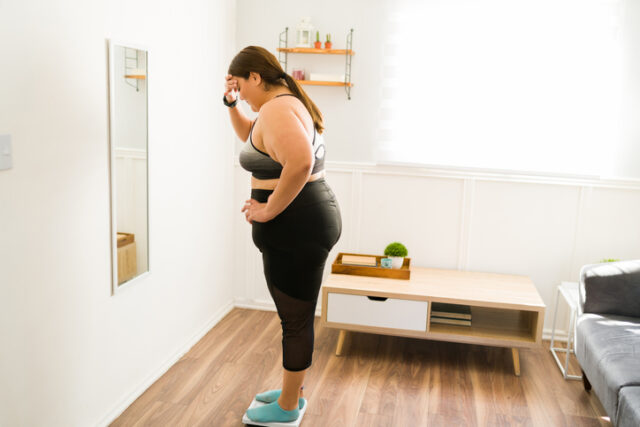
Sometimes people genuinely have a specific event and want to feel a bit lighter in their clothes. The honest answer here is that a week of cleaner eating, less alcohol, less salt, and more water can leave you feeling less bloated. That isn’t fat loss, it’s just letting your body settle down a bit.
Foods that gently help with bloating include things like avocado, asparagus, dandelion tea, lemons, and parsley. They’re not magic, but they can make you feel a bit more comfortable in your clothes for an evening. The trick is to do this once in a while rather than treating it as how you eat every week because the second you go back to normal life, your body will go back to normal too.
There’s something that experts wish people would do instead.
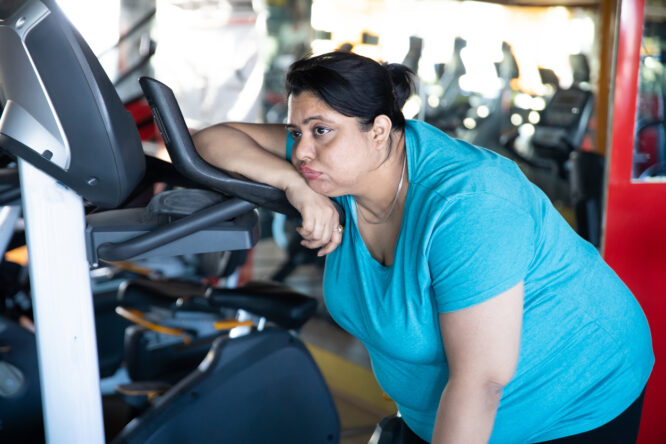
The advice from the people who do this for a living is fairly consistent and properly dull. If your doctor says you need to lose weight for health reasons, talk to them about a slower plan that you can actually sustain. Eat plenty of vegetables and protein. Cut back on ultra-processed foods. Move regularly, ideally with some strength training in there to keep your muscle. Sleep properly. Drink water. Don’t go too hard on alcohol.
None of this is glamorous, none of it makes a viral TikTok, but it’s what actually works over years rather than weeks. Slow weight loss tends to stick, fast weight loss tends to come back.
There’s a change in mindset you may find helpful.

One of the most useful things experts say is that the goal shouldn’t really be a number on a scale, it should be feeling good in your body and being able to do the things you want to do. Strength, energy, decent sleep, clear skin, steady mood, all of these matter much more than what the scale says on a given morning.
Focusing on how you feel rather than what you weigh tends to lead to much better long-term outcomes, both for your weight and for your relationship with food and your body. It also gets you out of the cycle of weighing yourself, panicking, dieting, giving up, weighing yourself, panicking, dieting, which most people who’ve ever tried to lose weight will recognise.
The question itself is worth asking yourself about.
If you find yourself regularly searching for ways to lose weight as fast as possible, or you can’t enjoy an event without first dropping a few pounds, or you’ve been on more diets than you can count, it’s worth gently looking at where that’s coming from. Plenty of people have spent years secretly miserable about their bodies, and the answer isn’t another seven-day plan.
It might be a kinder conversation with yourself, or a chat with your GP, or a therapist who specialises in body image and disordered eating. The National Centre for Eating Disorders has resources on its website if you want a starting point. Asking the question is brave. The right person to ask it to isn’t always Google.
The honest truth is that you can’t lose much real weight in a week, and the people who try usually end up worse off than when they started. The better question is what kind of body and life you actually want, and what habits could move you towards that over the next year, the next five, the next ten. The slow answer doesn’t feel as exciting as the seven-day fix, but it’s the one that’s still working 12 months later.