Getting a decent harvest of sweet, juicy strawberries requires a bit more than just popping them in a sunny spot and hoping for the best.
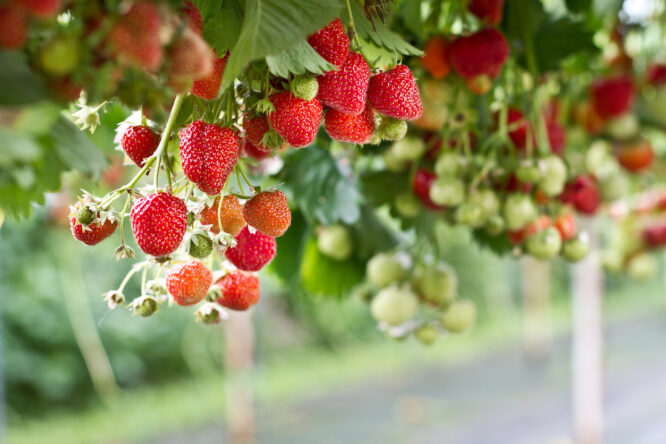
The success of your patch often depends entirely on who you choose for their neighbours in the garden bed. Some common vegetables and herbs act like terrible housemates, stealing all the nutrients from the soil or attracting pests that treat your fruit like an all-you-can-eat buffet.
Gardeners have identified a handful of specific plants that will actively ruin your chances of a decent crop if they’re planted too close. Learning which varieties to keep well away from your fruit is the easiest way to protect your harvest this season. Here are some of their major no-nos.
Tomatoes, potatoes, peppers, and aubergines
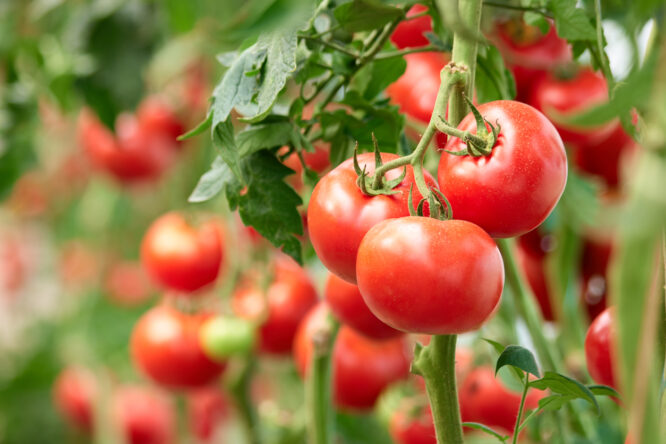
The nightshade family is the single biggest no-no for strawberries, and it’s the one that catches new gardeners out the most often. Tomatoes, potatoes, peppers, and aubergines all carry a soil-borne fungal disease called verticillium wilt, which strawberries are extremely vulnerable to.
Even if the nightshades themselves look healthy, they can pass the fungus into the soil, where it sits dormant for years and quietly kills off your strawberry crop. The advice from experienced gardeners is to never plant strawberries in a bed where any of these have grown in the last five years, never mind right next to them. If you’ve recently had a tomato patch, find your strawberries a fresh spot entirely.
Cabbages, cauliflower, broccoli, and Brussels sprouts
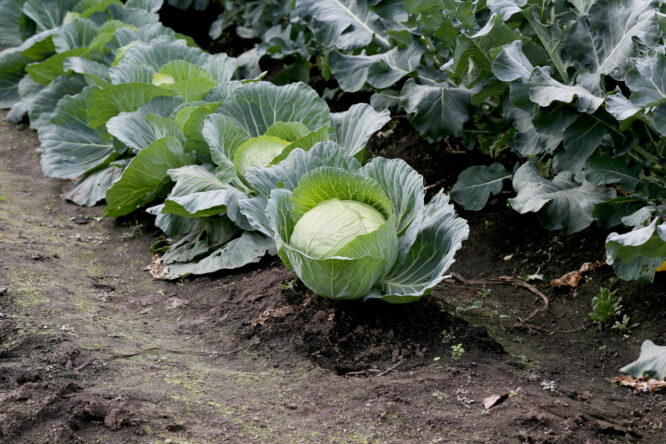
The brassica family is the other big group to keep apart from your strawberries. Cabbages, cauliflower, broccoli, kale, and Brussels sprouts are all heavy feeders, meaning they pull huge amounts of nutrients out of the soil. Strawberries, which are only moderate feeders, end up losing out on the nutrients they need.
The brassicas also tend to grow much taller and bushier than strawberries, which means they cast shade over your fruit just when it needs sunlight to ripen. The two simply don’t get on, and most gardeners who’ve tried mixing them in the same bed have ended up with poor results on both sides.
Melons
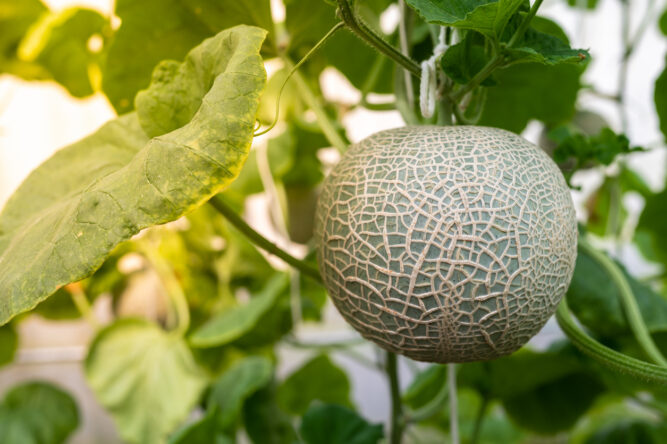
Melons might not seem like an obvious enemy, but they’re a properly bad neighbour for strawberries. Melons sprawl, take up huge amounts of space, and have similar nutrient and water needs to strawberries, which means the two end up competing rather than coexisting.
Their fast-growing vines can also cover your strawberry plants and block out light, particularly in smaller gardens or raised beds where space is tight. If you want to grow both in the same garden, give them their own beds well apart from each other.
Fennel
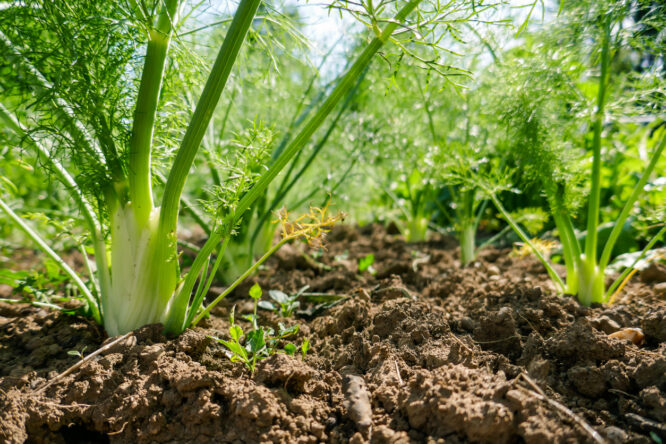
Fennel is famously a bad neighbour to almost every other plant, and strawberries are no exception. The plant releases compounds into the surrounding soil that inhibit the growth of plants near it, a phenomenon called allelopathy. Strawberries planted near fennel tend to grow more slowly, produce smaller fruit, and lose some of their flavour.
Most gardeners recommend giving fennel its own corner of the garden where it can’t get near anything else because it doesn’t really play well with anything you’d want to eat.
Garlic and other strong alliums (when planted too close)
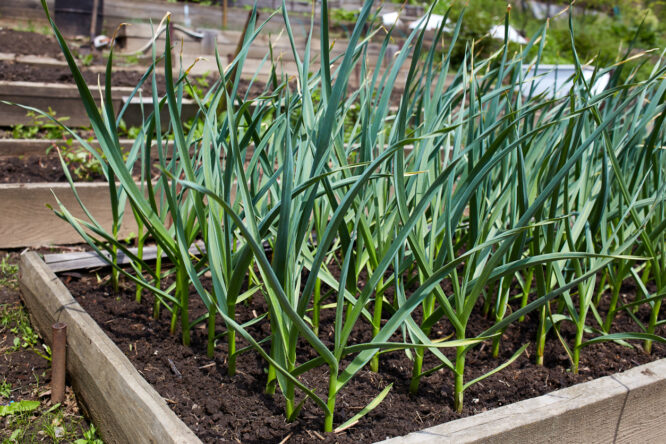
This one’s a bit more nuanced. Onions and chives are actually decent companions for strawberries when kept on the edges of the bed because their smell helps repel pests. But garlic specifically, and other strong-smelling alliums when planted too close, can inhibit strawberry growth.
The same compounds that make alliums good at deterring insects can also stunt your strawberry plants if they’re sharing root space. If you want to mix the two, keep alliums on the borders rather than weaving them through the middle of your strawberry patch.
Mint
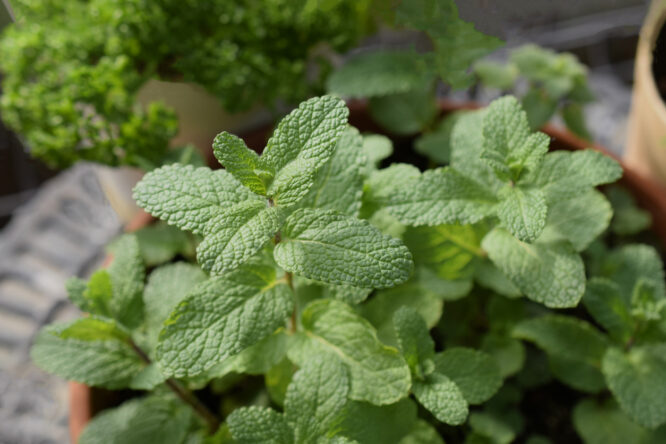
Mint is brilliant for tea, cocktails, and the kitchen, but it’s a properly bad garden neighbour for almost anything, including strawberries. The issue isn’t really chemical, it’s just that mint spreads aggressively through underground runners and will quickly take over the entire bed if you let it.
Strawberries, which spread through their own runners, end up losing the territorial battle pretty quickly. If you want both in the same garden, plant your mint in a pot or with a proper root barrier in the ground; otherwise you’ll spend years trying to dig it back out.
Roses and chrysanthemums
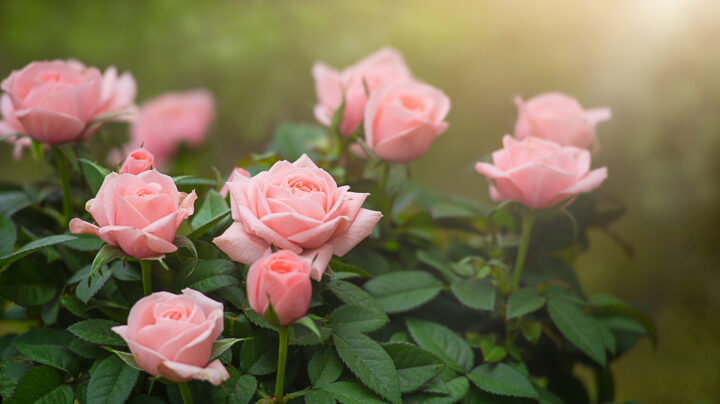
Roses sit in a tricky position when it comes to strawberries. In some climates, they can become invasive and rob the soil of nutrients, and they also share susceptibility to verticillium wilt, which means they can spread the same fungal disease that nightshades carry.
Chrysanthemums sit in the same camp. Both are beautiful in their own right, but they’re not great neighbours for strawberries. Keep them in separate beds, ideally well apart, particularly if you’ve had verticillium problems before.
Sunflowers and other tall plants
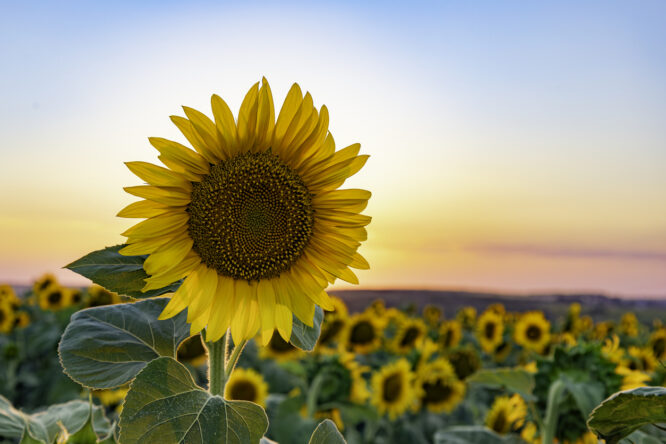
Sunflowers seem like a cheerful addition to any garden, but they’re properly bad news for strawberries. They grow tall fast, casting heavy shade over anything growing beneath them. Strawberries need full sun to produce sweet, well-shaped fruit, and shading them with sunflowers genuinely ruins the harvest.
The same applies to other tall plants like sweetcorn, climbing beans on tall supports, or anything that’s going to tower over your strawberry patch. If you must grow tall plants nearby, put them on the north side of the bed so they don’t cast their shadow onto the strawberries during the main part of the day.
What to plant near strawberries instead
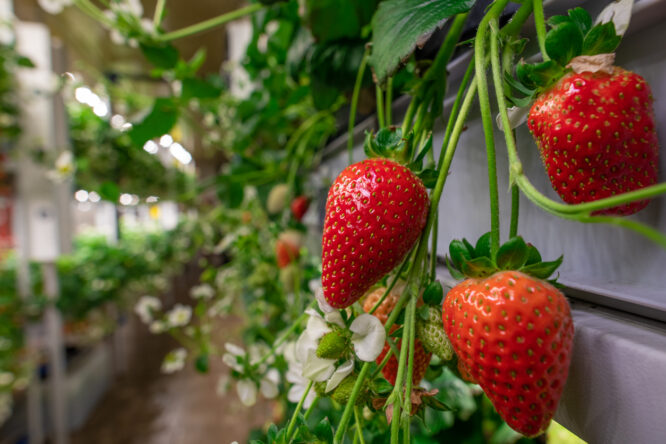
The good news is that strawberries do have plenty of friends in the garden. Borage is genuinely one of the best, attracting pollinators and even reportedly improving the flavour of the fruit. Thyme and chives planted around the edges help repel pests. Spinach and lettuce make decent low-growing neighbours that share the bed without competing for light.
Marigolds, particularly French marigolds, deter root-knot nematodes and add a splash of colour. Beans and peas fix nitrogen into the soil and improve growing conditions for your strawberries. The basic rule is to look for short, non-greedy plants that won’t shade your fruit and won’t carry diseases that strawberries are vulnerable to.
A bit of planning at the start of the season saves a lot of frustration later in the year.
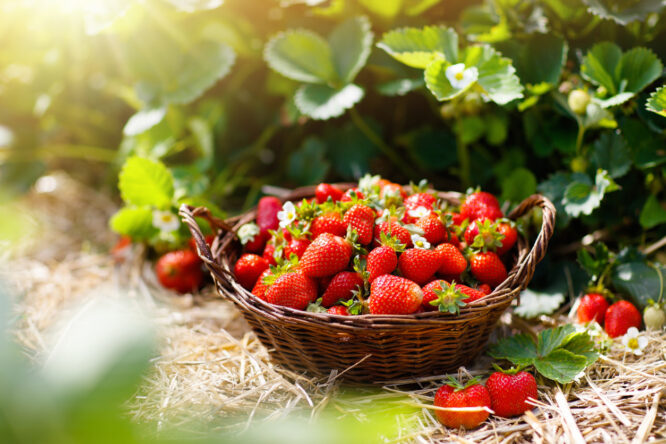
Knowing which plants to keep apart from your strawberries is genuinely the difference between a bumper crop and a disappointing one, and the rules are easier to remember than they sound.
Nightshades and brassicas out, herbs and small flowers in, anything tall well away, and a proper gap between this year’s strawberries and last year’s tomato patch. The strawberry plants will reward you for the effort with the kind of fruit you can’t buy in a supermarket.