Your freezer probably doesn’t get much appreciation beyond holding chips, ice cream and that mystery bag of peas from 2022.

However, it can genuinely save you a surprising amount of money if you use it properly. With food prices still high across the UK, more people are starting to treat their freezer less like a frozen graveyard and more like a practical tool that helps stretch meals, reduce waste and stop expensive ingredients ending up in the bin. The good news is you don’t need a giant chest freezer or military-level meal prep to make it work, either.
Most people underestimate how much money they throw away through food waste.

A huge amount of food gets binned in UK homes simply because people forget it exists or don’t use it in time. That half loaf of bread goes mouldy. The fresh herbs turn slimy in the fridge drawer. Leftover pasta gets ignored until it becomes science fiction. The freezer gives you breathing room with all of this because it presses pause on food before it reaches that point.
Even small habits make a difference over time. Freezing leftover rice, cooked veg, grated cheese or half-used ingredients stops you rebuying the same things every week. Once people start freezing more intentionally, they usually realise how much money they were losing through tiny daily waste rather than big dramatic spoilage.
Freezing food properly makes a bigger difference than people expect.

One reason people claim frozen food tastes awful is because they froze it badly in the first place. Food exposed to air develops freezer burn, loses texture and starts tasting stale. Wrapping things properly and removing as much air as possible helps preserve both flavour and texture for far longer.
Flat-packing food in freezer bags works especially well because it freezes faster and stacks neatly. Soups, curries, chilli, and pasta sauces all freeze brilliantly this way. Thin portions also defrost much quicker, which means less waiting around and less temptation to order a takeaway because dinner feels like too much effort.
Labelling food stops your freezer becoming a frozen junk drawer.

Almost everyone has experienced opening a container months later and having absolutely no clue what’s inside it. It could be Bolognese. It could be stew. It could be something from a completely different era of your life. Labelling sounds boring, but it genuinely changes how useful your freezer becomes.
Writing the name and date on bags or tubs helps you rotate food properly instead of endlessly adding new things on top of old ones. It also helps stop the habit of buying duplicates because you forgot you already froze something weeks ago. A cheap marker pen can probably save more money than people realise.
Bread is one of the easiest money-savers to freeze.
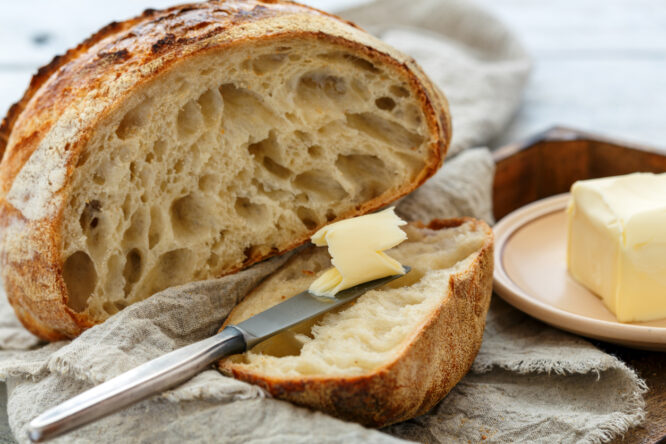
Bread is one of the most commonly wasted foods in Britain because people buy it with good intentions and then don’t finish it quickly enough. The freezer solves that problem almost completely. Sliced bread can go straight into the toaster from frozen, and most people can’t even tell the difference afterwards.
Pittas, wraps, crumpets, bagels, and rolls all freeze well too. Even breadcrumbs can be frozen for later use in recipes. Once you stop feeling pressured to finish an entire loaf within a few days, you naturally waste far less food across the week.
Batch cooking works best when the freezer is organised.

People often talk about batch cooking like it requires an entire Sunday spent chopping vegetables in matching glass containers, but it can actually be much simpler than that. Cooking double portions of meals you already make and freezing half is usually enough to make life easier and cheaper.
The real trick is organisation. If your freezer is packed with random bags balanced like a game of Jenga, you won’t use it properly. Keeping similar foods together and storing meals flat helps you actually see what you have. That’s when frozen leftovers start becoming useful weekday dinners instead of forgotten icy bricks.
Some foods freeze surprisingly well.
Many people only think about freezing meat or ready meals, but loads of everyday ingredients freeze beautifully. Grated cheese, butter, nuts, stock, curry paste and pesto all last much longer frozen. Herbs mixed with oil can be frozen in trays so you can snap off small portions while cooking.
Bananas may go soft and brown after thawing, but they’re brilliant for smoothies and banana bread. Whole chillies and ginger freeze well too, and they’re often easier to grate straight from frozen. Little tricks like this stop expensive ingredients from dying slowly in the fridge.
Vegetables need slightly different treatment.
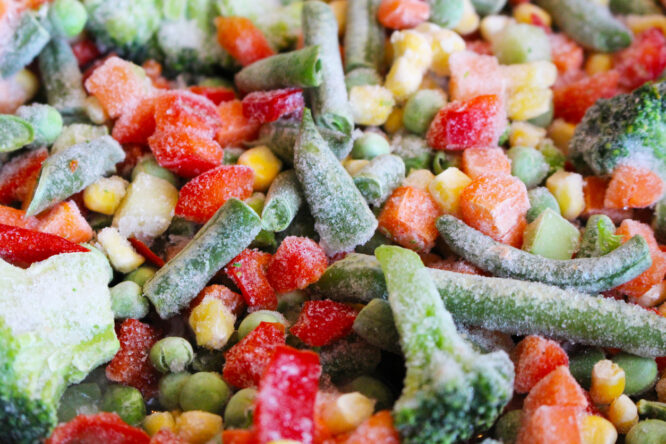
Not all vegetables behave the same in the freezer. High-water vegetables like lettuce, cucumber and raw tomatoes usually turn limp and watery after thawing, which is why people sometimes assume freezing veg never works. In reality, it depends entirely on the type of vegetable and how it’s prepared.
Blanching vegetables first helps keep colour and texture much better. Things like carrots, beans, and cauliflower freeze very well after a quick boil followed by cold water. Roast potatoes and mash also freeze surprisingly well, while raw potatoes generally don’t.
Your freezer can help you waste less meat.

Meat is expensive, which means wasting it feels especially painful now. Freezing portions properly lets you buy larger packs when they’re reduced or on offer without panicking about using everything immediately. That can make a noticeable difference to weekly shopping costs over time.
Separating meat into meal-sized portions before freezing also makes life easier later. Instead of defrosting an entire family pack of mince, you can just pull out exactly what you need. It saves waste and helps avoid that annoying cycle where leftovers end up forgotten in the fridge.
Frozen fruit is one of the most underrated kitchen staples.
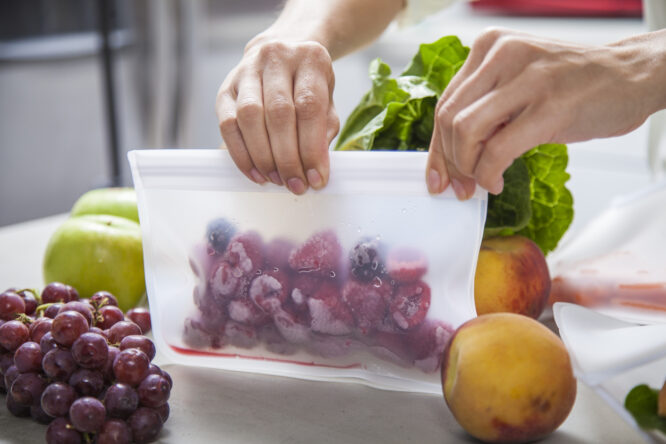
Fresh berries are expensive and seem to go off about twelve minutes after you buy them. Freezing fruit stops that pressure and gives you ingredients ready for smoothies, porridge, yoghurt, or baking whenever you need them. It also means less guilt when healthy food gets forgotten.
Berries freeze especially well if you spread them out on a tray first before bagging them together. Citrus fruits can be frozen whole or as juice cubes, and sliced bananas become perfect for homemade ice cream-style desserts. Suddenly, your freezer starts acting like a backup fruit bowl.
Defrosting food safely matters more than people realise.

Freezing pauses bacterial growth, but it doesn’t magically reset food forever. How you defrost food matters just as much as how you freeze it. Leaving things out on the kitchen side for hours can create the exact conditions bacteria love.
The safest method is defrosting in the fridge overnight, especially for meat and fish. It takes longer, but the food stays at a safe temperature the whole time. Planning slightly ahead is far cheaper than risking food poisoning or throwing food away because it thawed badly.
Some foods simply aren’t worth freezing.
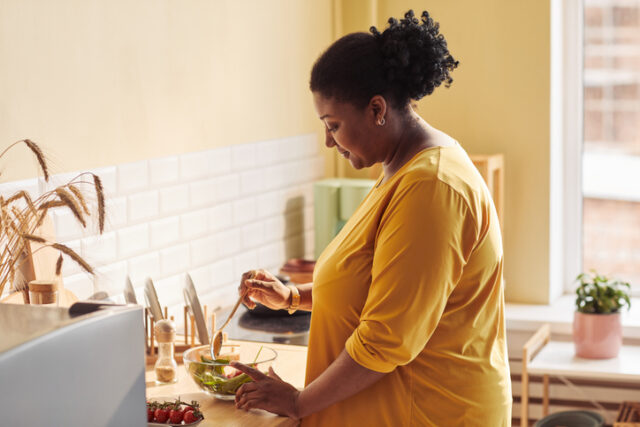
Not everything improves in the freezer, and trying to freeze absolutely everything often leads to disappointment. Soft cheeses like brie and cream cheese can become grainy and unpleasant. Mayonnaise splits. Yoghurt changes texture. Hard-boiled egg whites turn rubbery.
Knowing what not to freeze is useful because it stops wasted effort and wasted food. Sometimes the fridge genuinely is the better option. The goal isn’t turning your freezer into a frozen museum of random experiments. It’s making everyday food last longer in ways that are actually practical.
A well-used freezer also saves time and stress.
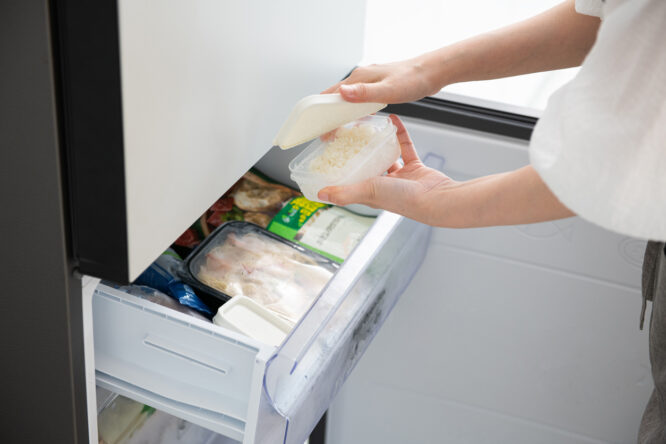
The money side matters, but the convenience side is honestly just as valuable. Having meals, ingredients, and leftovers already frozen means fewer emergency supermarket trips and fewer evenings standing in front of the fridge wondering what to eat.
It also makes busy weeks much easier. A frozen homemade pasta sauce or soup can stop you reaching for expensive takeaways after a long day. Over time, your freezer becomes less about storage and more like a backup plan that makes everyday life cheaper, simpler and far less wasteful.