Somewhat disturbingly, a huge number of people are basically running a sweep and serve policy in their own kitchens the second the guests look away.
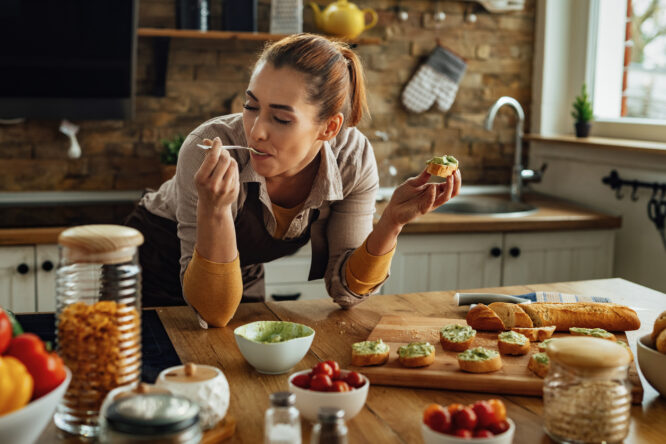
We’ve reached a point where nearly 20% of the country thinks a quick blow on a fallen chip is enough to make it medically sound, proving that our actual hygiene habits are a far cry from the pristine images we post online. This isn’t just about the odd bit of toast; it’s the grim reality of what happens when the pressure of hosting a Sunday roast hits and a sausage takes a dive for the lino.
Whether it’s a lack of time or just a stubborn refusal to waste a fiver, the gap between what people admit to and what they’re actually doing behind closed doors is pretty stomach-turning. If you’ve ever wondered why that “homemade” dinner felt a bit off, the answer might be that it spent more time on the floor than in the oven.
More people are cutting corners than they admit.
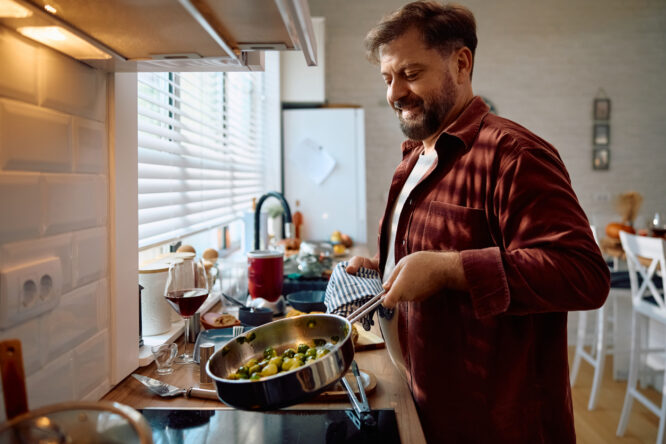
According to research performed by kitchen appliance brand NEFF, 1 in 5 Brits admit to serving food that has either been dropped on the floor or double-dipped before being served. That’s the kind of stat most people assume applies to other people rather than themselves.
What makes it more interesting is that this behaviour often isn’t seen as a big deal by those doing it. In the moment, it’s brushed off as harmless, especially if the food looks fine or hasn’t been on the floor for long, which shows how quickly standards can change depending on the situation.
The five-second rule is still going strong.
The idea that food is still safe to eat if it’s picked up quickly hasn’t gone anywhere. A large number of people still rely on this logic when deciding whether something is good enough to serve.
In reality, it’s less about science and more about convenience. If something looks salvageable, many people will convince themselves it’s fine, especially if they don’t want to waste it, which highlights the gap between what people know and what they actually do.
Double-dipping is more common than people admit.
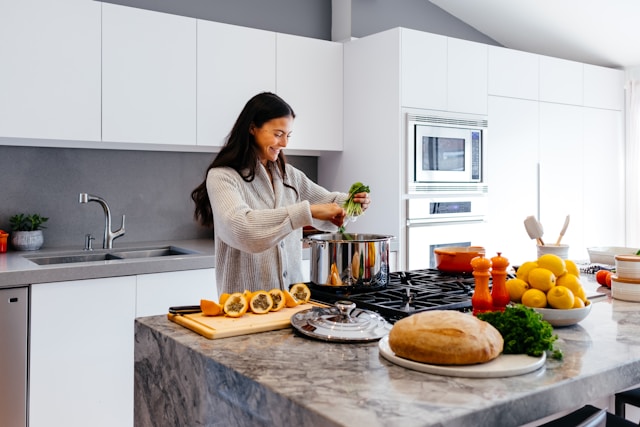
Another behaviour that stands out is double-dipping, where someone tastes food while cooking and then puts the same utensil back into the dish. It’s one of those things people know isn’t ideal, but still do anyway. The reason is usually speed and habit. When you’re in the middle of cooking, it seems a lot faster and easier to reuse what’s already in your hand rather than stopping to grab something clean, which makes it a surprisingly common shortcut.
Cooking for other people brings out more pressure.
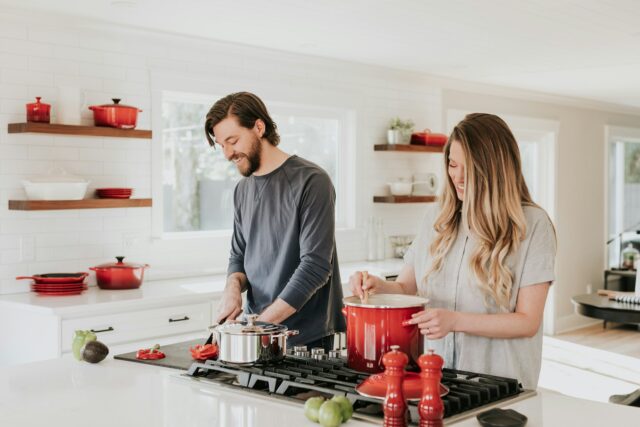
Many of these habits show up most when people are cooking for guests. There’s often a desire to make everything look perfect, even if that means quietly fixing mistakes behind the scenes. That might involve scraping off burnt bits, reusing ingredients, or making quick decisions that wouldn’t happen if you were only cooking for yourself, which shows how pressure can influence behaviour in the kitchen.
People hate wasting food, even if it bends the rules.

One of the biggest reasons behind these behaviours is a reluctance to throw food away. If something is still technically edible, many people will try to save it rather than bin it. That blurs the line in an uncomfortable way. What begins as an effort to reduce waste can sometimes turn into questionable decisions, especially when people are trying to justify keeping something that probably should have been thrown out.
Kitchen habits are often shaped by what we grew up with.

A lot of these behaviours aren’t random. They’re often picked up over time, usually from family habits or things people saw growing up in their own kitchens. If you were raised in a household where certain shortcuts were normal, they tend to carry over without much thought, which is why people often don’t question them until they’re highlighted like this.
There’s a gap between what people say and what they do.

If you asked most people directly, they’d probably say they follow good hygiene and food safety rules. However, when those same people are being honest in surveys, a different picture gets painted. That gap is what makes the findings so interesting. It’s not that people don’t understand the rules, but that real-life situations often lead to small compromises that feel justified in the moment.
Some behaviours seem like no big deal, but in the long run, but they add up.

On their own, these actions might seem minor. Dropping something once or double-dipping occasionally doesn’t feel like a big deal in isolation, but when these habits become routine, they start to form patterns. As time goes on, those patterns can shape how people approach cooking and food safety without them even realising it.
Clean kitchens don’t always mean careful habits.

There’s a tendency to associate a clean-looking kitchen with safe food practices. If everything looks tidy, it’s easy to assume everything else is being handled properly too. In reality, a clean surface doesn’t always reflect what’s happening during the cooking process. Many of these behaviours happen in quick moments that wouldn’t be obvious to anyone else.
Why people don’t talk about these habits openly

There’s a reason these behaviours come out more in anonymous surveys than in everyday conversation. Most people know these habits don’t sound great when said out loud. That doesn’t mean they’re rare, it just means they’re kept quiet. The research highlights behaviours that are more common than people might like to admit.
What this says about everyday cooking
At its core, the research shows that everyday cooking is often less perfect than people imagine. It’s full of small shortcuts, quick decisions, and moments where convenience wins. That doesn’t necessarily mean people don’t care. It simply reflects how real kitchens operate, especially when time, pressure, and habit all come into play.