Looking at the headline price on a property portal is usually a waste of time, as those numbers are often more about an estate agent’s optimism than what’s actually happening on the ground.

Right now, the UK market is in a weird bit of a stand-off; while prices are technically edging up in some regions, buyer demand has softened because mortgage rates are still sitting stubbornly high. The asking price and the selling price are two very different animals, especially with the highest supply of homes on the market in over a decade, giving buyers plenty of room to be picky.
If you’re trying to figure out what your place is worth today, you have to look past the averages and see who is actually showing up to viewings with a mortgage offer in their pocket. Before you start planning how to spend the equity, you need to understand the specific local factors that are currently dictates whether a house sits for months or sells in a week.
Most people base their valuation on outdated or incomplete information.

It’s common for homeowners to anchor their expectations to a past sale, whether that’s their own purchase price or a nearby property that sold months or even years ago. The issue is that markets don’t stand still, and even small changes in demand can make a noticeable difference.
What often gets missed is how quickly local conditions can change. A house that sold for a certain price last year might not achieve the same today, either because of wider economic changes or something as simple as more properties becoming available in the same area. Without looking at very recent sales, it’s easy to rely on a number that no longer holds up.
Your exact location matters more than the wider area.

People often talk about location in broad terms, like the town or postcode, but buyers tend to look much more closely than that. The specific street, the position of the property, and even what’s directly nearby can all influence how much someone is willing to pay.
Two homes that are technically in the same area can attract very different prices depending on things like traffic levels, parking, or how well the surrounding properties are maintained. It’s these small, localised factors that often explain why valuations can vary more than expected.
Online valuations can give false confidence.

Online tools are popular because they’re quick and easy, but they often create a false sense of accuracy. The number they give can feel precise, even though it’s based on limited data. They usually don’t factor in condition, recent improvements, or how a property compares in person. That means two homes with similar data points can be valued the same online, even if one would clearly sell for more in reality. It’s useful as a starting point, but not something to rely on fully.
Buyers value lifestyle as much as the property itself.

When someone looks at a home, they’re not just assessing the building. They’re imagining what it would be like to live there, which brings in factors that aren’t always obvious on paper. Access to transport, nearby shops, green spaces, and even the general feel of the area all feed into that decision. A property that ticks these lifestyle boxes can often achieve a higher price, even if the house itself is similar to others on the market.
Overpricing can actually work against you.

It’s tempting to aim high when setting a price, especially if you’ve received a strong valuation or want to leave room for negotiation. The risk is that it can reduce interest early on. Properties tend to get the most attention when they first hit the market. If the price feels out of step with what buyers expect, that initial interest can drop off quickly. Once that happens, it becomes harder to build momentum again, even if the price is adjusted later.
Market conditions can change your value faster than expected.

Interest rates, lending conditions, and buyer confidence all play a role in what people are willing to pay. These factors can change in a relatively short space of time, which means valuations can move with them. As a result, a figure that felt realistic a few months ago might now be too high or too low. Timing matters more than people expect, especially in a market that’s adjusting to economic changes.
Presentation can influence perceived value immediately.

While presentation doesn’t change the core value of a property, it can strongly influence how buyers respond to it. First impressions still matter, especially when people are viewing multiple homes in a short period. A well-presented space feels easier to move into and requires less imagination from the buyer. On the other hand, clutter, unfinished jobs, or tired decor can make a property feel like more work, which can affect the offers it attracts.
Layout often matters more than size.

Square footage is important, but how that space is used can have just as much impact. A home that feels open and practical will usually appeal more than one that feels awkward or difficult to navigate. Buyers tend to think about how they would use each room. If the layout doesn’t make sense or feels restrictive, it can lower the perceived value, even if the overall size is generous.
Unique features can either add or limit appeal.

Features like a garden, a view, or period details can increase a property’s value, especially if they match what buyers are looking for in that area. At the same time, very personalised choices or unusual layouts can narrow the pool of interested buyers. What feels like a standout feature to one person might not work for someone else, which is why these elements can push value in either direction.
Emotional attachment can distort expectations.
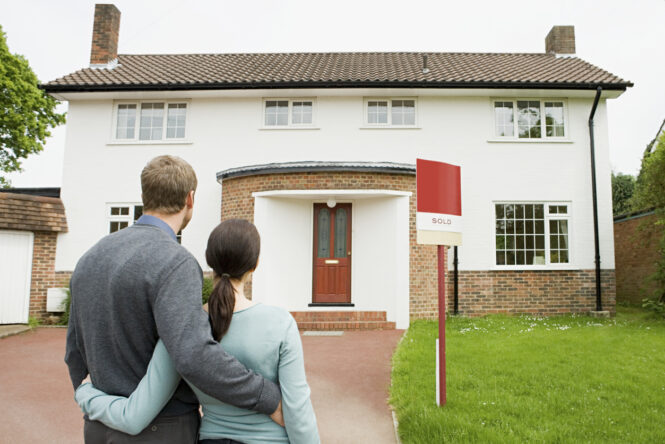
It’s natural to feel a connection to your home, especially if you’ve lived there for years or invested time and effort into improving it. That attachment can influence how you see its value. The challenge is that buyers don’t share that perspective. They’re looking at the property objectively, comparing it to others on the market, and deciding what it’s worth to them. That difference in viewpoint is where expectations can drift apart.
Getting multiple valuations gives a clearer picture.

Relying on one opinion can leave you with a narrow view of your property’s value. Different agents bring different levels of experience and local insight, which can affect how they assess a home. When you get several valuations, patterns start to emerge. If multiple figures sit within a similar range, that’s usually a good indication of where your property realistically sits, rather than focusing on the highest number offered.
What this means if you’re planning to sell

Understanding your property’s true value isn’t just about setting a price. It shapes how quickly your home attracts interest and how strong the offers are once they come in. Taking the time to base your valuation on current data, local knowledge, and realistic expectations gives you a much better chance of moving forward smoothly, rather than adjusting your approach after the property has already been on the market for a while.