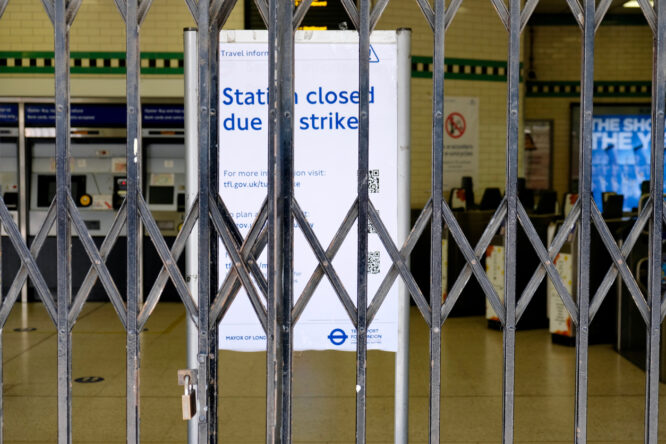
With summer holidays approaching, the sudden realisation that your passport has expired or is nearing its final six months can turn a relaxed countdown into a frantic scramble for an appointment.
While the standard renewal process is usually straightforward, seasonal surges and staffing changes often mean the advertised waiting times are more of a rough estimate than a guarantee. If you’re currently staring at a blank calendar and an upcoming flight, understanding the hierarchy of fast-track services—and knowing exactly how much you’re willing to pay for peace of mind—is the only way to avoid being the person stuck at the check-in desk while their family heads through security.
Navigating the difference between the one-week service and the same-day premium slot requires a bit of tactical planning, but getting it right is the best way to ensure your holiday actually happens.
How long a UK passport renewal takes in 2026
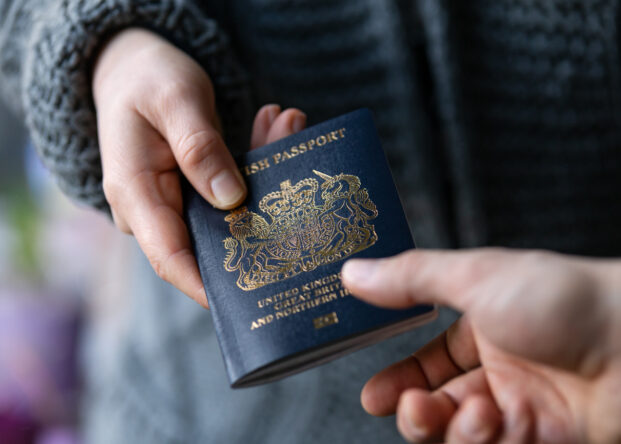
The official guidance says most UK passport renewals are processed within around three weeks once your application has been received. For many people applying online with correct details, that timeframe does hold up.
However, that three-week window isn’t guaranteed. Processing only fully begins once your documents are received and verified, and even small issues can push timelines beyond that estimate. For some applicants, it’s quicker, but for others it can take noticeably longer depending on circumstances.
Why some applications are faster than others

Not every renewal follows the same path. Online applications are generally processed more quickly than paper ones, mainly because they’re easier to verify and involve less manual handling. Simple renewals with no changes tend to move fastest, especially when all details are correct first time. But anything that requires additional checks, such as identity confirmation or unusual details, can slow the process down.
Why delays still happen regularly
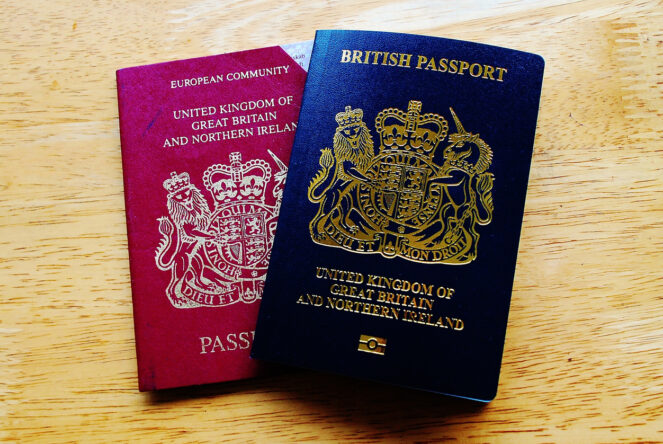
Even with improved systems, delays are still common, particularly during busy travel periods. Spring and summer tend to see a surge in applications, as more people prepare for holidays, which can stretch processing times.
There are also more practical reasons for delays. Issues like incorrect information, rejected passport photos, or missing documents can pause an application entirely until they’re fixed. In some cases, additional identity checks can add further time.
What can slow your application down

Some of the most common problems are small but easy to miss. A photo that doesn’t meet requirements, a mismatch in personal details, or forgetting to send your old passport can all hold things up. More complex situations, such as name changes, damaged passports, or applying for a child passport, can also take longer because they require extra verification. This is often where timelines move beyond the standard three-week estimate.
How fast track passport services actually work

If you need your passport urgently, there are two main fast-track options available. The one-week Fast Track service delivers your passport within about seven days after an in-person appointment. The Online Premium service is faster, allowing you to collect your passport on the same day, often within a few hours. Both services require you to book an appointment in advance and attend in person.
What fast track doesn’t guarantee
While fast-track services are quicker, they aren’t always easy to access. Appointment slots can be limited, especially during peak travel periods, which means you may still need to plan ahead. They also come at a higher cost, so they’re usually only worth considering if your travel date is close. For most people, applying early and avoiding mistakes is still the simpler and cheaper option.
How applying from abroad can affect timing

If you’re renewing your passport from outside the UK, the process can take slightly longer. While many applications are still completed within a few weeks, delivery times and document checks can vary depending on location. Fast-track services are generally not available overseas, which means planning ahead becomes even more important if you’re travelling internationally.
Why timing your application matters more than ever

One of the biggest mistakes people make is leaving their renewal too late. Even though many applications are processed quickly, delays can still happen, particularly during busy periods. Applying as early as possible gives you more flexibility and reduces the risk of needing to pay for fast-track services or changing travel plans at the last minute.
What you can do to avoid delays

There are a few simple steps that can make a real difference. Applying online, double-checking your details, and making sure your passport photo meets the requirements can all help speed things up. Sending your old passport promptly when requested is also important, as your application won’t move forward fully until everything has been received and verified.
What this means if you’re planning a trip

The key takeaway is that while many people will get their passport within three weeks, it’s not something you should rely on as a fixed deadline. There’s always a chance of delays, especially when demand is high. If you’ve got travel planned, sorting your passport early is still the safest approach. It gives you more breathing room and avoids turning a simple renewal into a last-minute problem.