Garlic is one of those ingredients that feels simple to cook with until it suddenly isn’t.
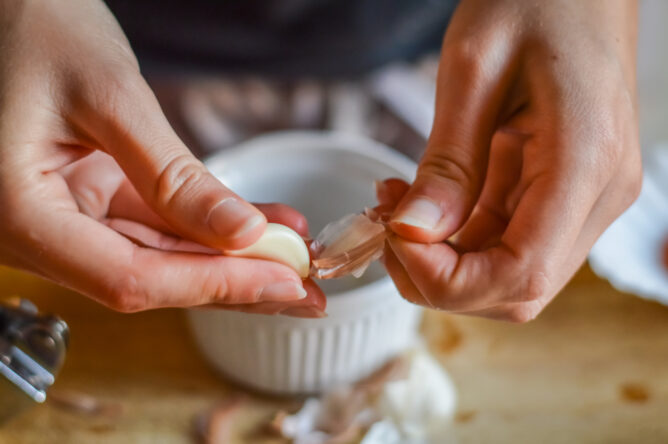
One minute it smells amazing, the next it’s bitter and sharp and there’s no saving the dish. The core issue isn’t bad cooking, it’s that garlic behaves very differently to most other ingredients. It cooks fast, burns easily, and reacts badly to high heat if you’re not paying attention.
Garlic goes from perfect to burnt very quickly.
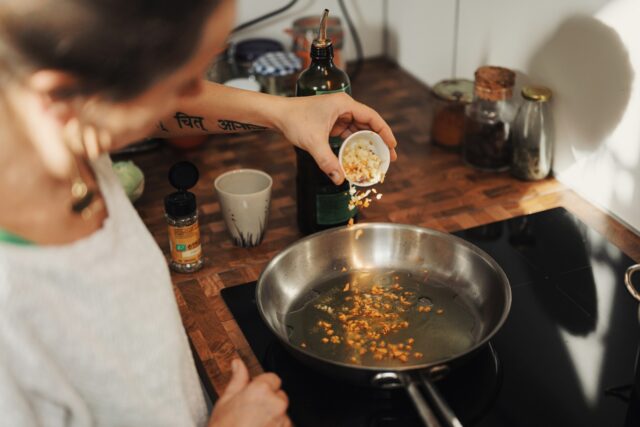
Garlic contains natural sugars and very little moisture, which means it doesn’t take long to cook through. Once it hits a hot pan, it starts changing almost immediately, going from raw to golden to burnt in a short space of time. The tricky part is that the smell doesn’t always warn you early enough. It can seem fine for a few seconds, then suddenly tip into that bitter stage. That’s why garlic needs a bit more care than ingredients that can sit in a pan for longer without going wrong.
Smaller pieces burn much faster.
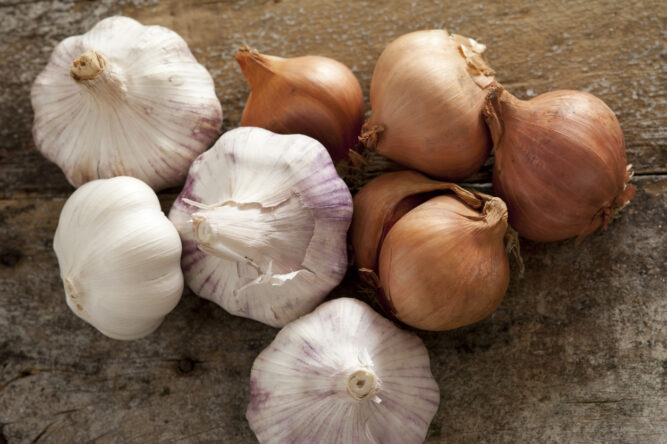
The way you cut garlic has a big impact on how it cooks. Finely minced garlic cooks far quicker than sliced or crushed pieces because there’s more surface area exposed to the heat, which is where a lot of home cooks get into trouble. If you’re using very finely chopped garlic in a hot pan, you’ve only got a small window before it starts to catch. Slightly larger pieces give you a bit more breathing room and are much easier to control.
High heat is the main reason it burns.
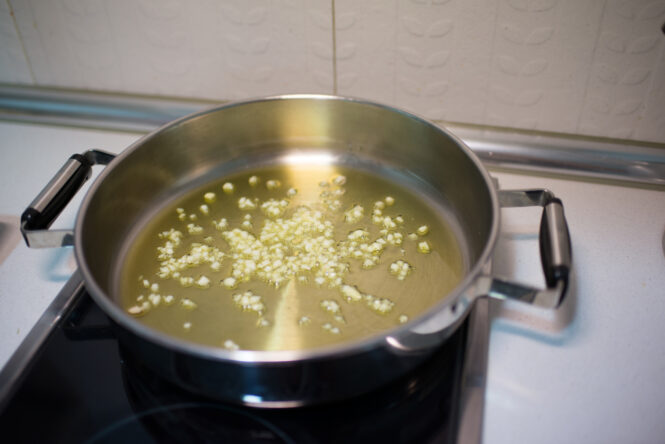
One of the biggest mistakes is cooking garlic over the same high heat you’d use for onions or meat. Garlic simply doesn’t need that level of heat, and it won’t hold up under it. Lowering the heat once the garlic goes in makes a big difference. It allows the flavour to develop without pushing it into that burnt stage. You’re aiming for a gentle sizzle, not an aggressive fry.
Adding garlic too early can ruin the whole dish.

It’s common to throw garlic into the pan at the start along with everything else, but that often leaves it sitting in heat for far too long. By the time the rest of the ingredients are cooked, the garlic has already passed its best point. Adding it later in the cooking process gives you much better control. It still releases that strong flavour, but it doesn’t spend as long exposed to heat, which reduces the risk of it turning bitter.
Oil temperature matters more than people think.
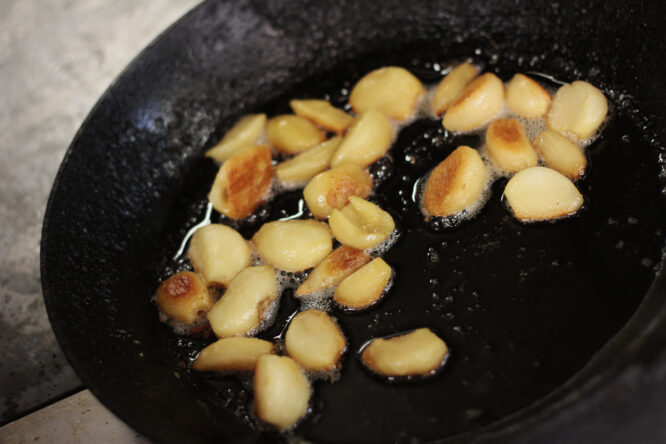
Even if your heat setting looks low, if the oil is already very hot when the garlic goes in, it can start burning straight away. That’s why garlic sometimes catches instantly, even when you think you’re being careful. Letting the oil cool slightly before adding garlic, or adding the garlic before the oil gets too hot, can help keep things under control. It’s a small adjustment, but it changes how quickly the garlic cooks.
Stirring constantly helps prevent hot spots.
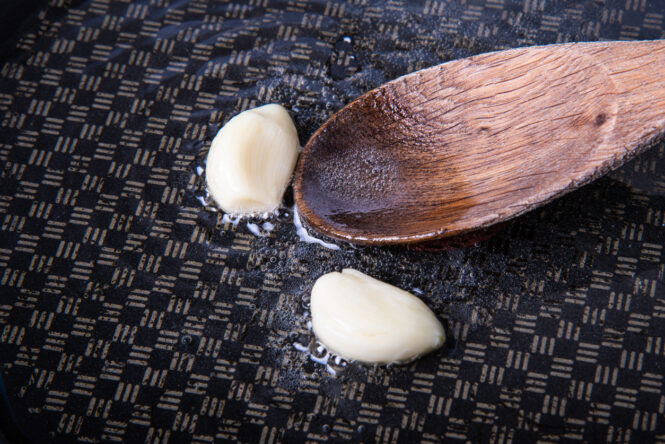
Garlic doesn’t cook evenly if it’s left sitting in one place. Parts of the pan can be hotter than others, which means some pieces will burn while others are still fine. Keeping it moving spreads the heat more evenly and stops any one part from catching too quickly. It only needs a few seconds of neglect to burn, so staying with it while it cooks makes a noticeable difference.
Colour is a better guide than time.
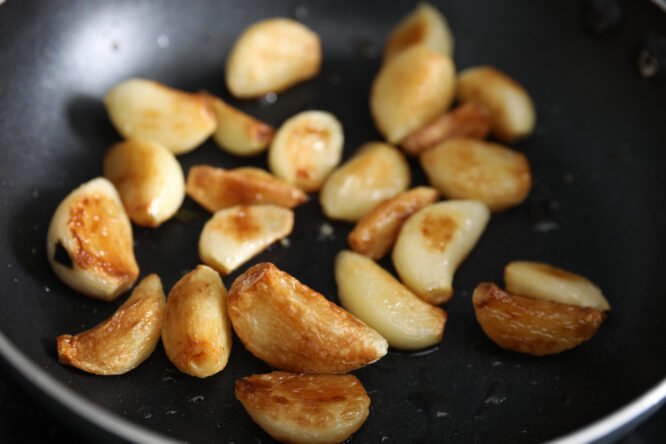
Garlic doesn’t follow a strict cooking time like other ingredients, so relying on the clock doesn’t always work. Watching the colour is far more reliable. Once it turns lightly golden, it’s usually at its best. Any darker and it starts heading into that bitter territory. Pulling it off the heat just before it reaches that point often gives the best result.
Burnt garlic can’t really be fixed.
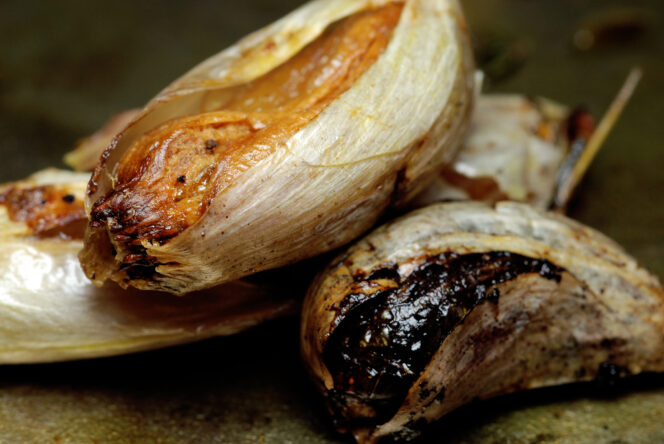
This is the part people don’t like to hear, but once garlic has burned, it’s very hard to hide the taste. Adding more ingredients or seasoning won’t fully cover that bitterness. In most cases, the best option is to start again or remove the burnt pieces if possible. It’s frustrating, but it’s often quicker than trying to rescue a dish that’s already picked up that flavour.
There are ways to reduce the risk altogether.
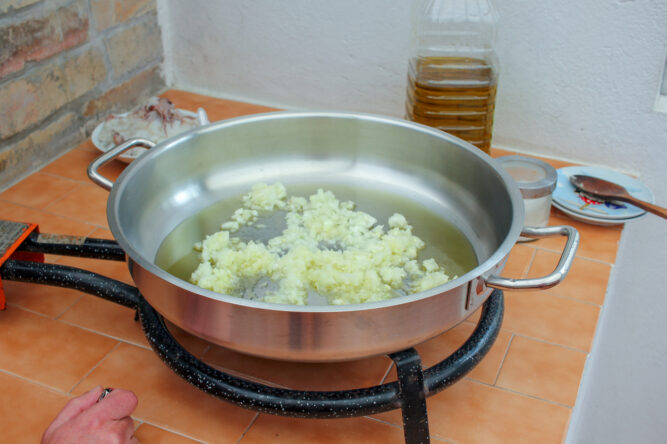
If garlic tends to catch when you cook, there are a few simple tweaks that can help. Using slightly larger pieces, lowering the heat, and adding it later in the process all reduce the chances of it burning. You can also combine it with ingredients that release moisture, like onions or tomatoes, which helps slow down how quickly it cooks. These small changes don’t complicate things, but they make garlic much easier to manage.
Getting it right is more about timing than skill.
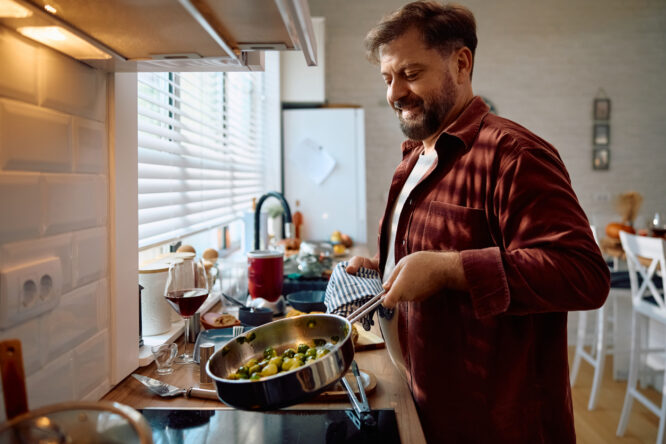
Garlic doesn’t need advanced cooking skills, it just needs attention at the right moment. Most problems come from treating it like other ingredients that can sit in the pan without much thought. Once you get a feel for when to add it and how quickly it cooks, it becomes much more predictable. And when it’s done properly, it does exactly what it’s supposed to do, lift the whole dish without taking it over.