The Life in the UK test has become a bit of a legendary hurdle, often mocked by people born here who suspect they wouldn’t have a clue how to answer half the questions.

It’s a bizarre mix of deep-rooted history, quirky British traditions, and the kind of dry legal facts that most of us haven’t thought about since secondary school, and you’d need to get 18 of the 24 questions on the quiz right to pass—that’s 75%. While the goal is to ensure prospective citizens understand the foundations of the country, the reality is a high-stakes trivia night where a wrong guess about the 17th century or the exact workings of the Welsh Senedd can stall a life for years.
Here are some of the most typical questions that people actually have to get correct to call this island home. If you think you know your stuff because you can name the current PM or the rules of cricket, you might be in for a bit of a reality check.
Question 1: Who were the first people to live in Britain?

Long before towns, farming, or even permanent homes, the earliest people here lived very differently from anything we’d recognise today. They moved around, relied on nature, and adapted constantly to survive. This was thousands of years before structured society. The question is whether Britain started with organised communities, or something far more basic.
A. Farmers
B. Hunter-gatherers
C. Warriors
D. Romans
Question 2: When did Britain become separated from mainland Europe?

There was a time when Britain wasn’t an island at all. People could walk across from mainland Europe without needing a boat. The separation happened slowly as the climate changed and sea levels rose. The key here is knowing roughly when that shift took place.
A. 5,000 years ago
B. 10,000 years ago
C. 15,000 years ago
D. 20,000 years ago
Question 3: What is the capital city of Wales?
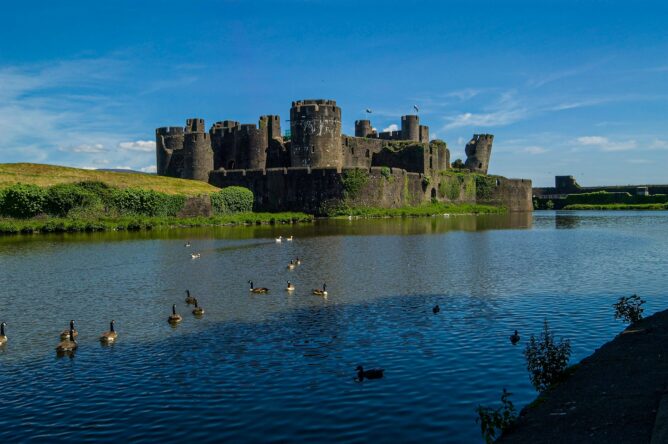
This sounds straightforward, but it trips people up more often than you’d expect. It’s not about the biggest or most famous place, but the official centre of government. If you’re unsure, it helps to think about where major decisions are made rather than which city gets mentioned most in conversation.
A. Swansea
B. Cardiff
C. Newport
D. Bangor
Question 4: What is the UK Parliament made up of?
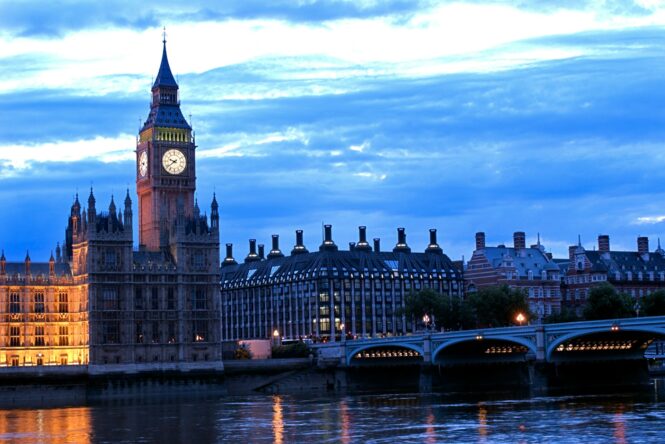
The UK political system isn’t built around just one group making decisions. There are different parts involved, each with a role in how laws are debated and passed. This question focuses specifically on Parliament itself, not the government or monarchy, which is where people often get mixed up.
A. The Commons and the Senate
B. The Commons and the Lords
C. The Lords and the Cabinet
D. The Crown and the Lords
Question 5: What currency is used in the UK?

This one feels obvious until you remember how connected the UK is to other countries. Travel, trade, and everyday life can blur the lines a bit. The key is focusing on what is officially used across the UK, not what might be accepted in certain places.
A. Euro
B. Dollar
C. Pound sterling
D. Franc
Question 6: Who is the head of state in the UK?

The UK has a political system where roles are split between different figures. Some are involved in day-to-day decisions, while others represent the country more broadly. This question is about the official head of state, not the person running the government.
A. The Prime Minister
B. The King
C. Parliament
D. The Speaker
Question 7: What is the name of the UK national anthem?

You’ve definitely heard it before, even if you’ve never had to think about the name. It’s used at major events, ceremonies, and sporting occasions. The answer comes down to recognising what the country officially stands behind rather than what might just feel familiar.
A. Rule Britannia
B. God Save the King
C. Land of Hope and Glory
D. Jerusalem
Question 8: Which TWO are British values?
This question is less about memorising facts and more about understanding what the UK is built on as a society. It’s about principles rather than places or events. You’re looking for ideas that shape how the country operates, not modern trends or lifestyle choices.
A. Democracy
B. The rule of law
C. Wealth
D. Social media
Question 9: What is the population of the UK closest to?

This isn’t about knowing an exact number. It’s about having a rough sense of scale and whether you’re thinking too high or too low. Think about how the UK compares to other countries you know, and what feels realistic rather than precise.
A. 20 million
B. 40 million
C. 67 million
D. 90 million
Question 10: What is the name of the UK’s highest mountain?

The UK has several well-known peaks, and this question often comes down to mixing them up rather than not knowing any at all. It helps to think about which part of the UK is known for the highest elevations rather than just the most visited mountains.
A. Snowdon
B. Ben Nevis
C. Scafell Pike
D. Helvellyn
Question 11: What does the House of Commons do?
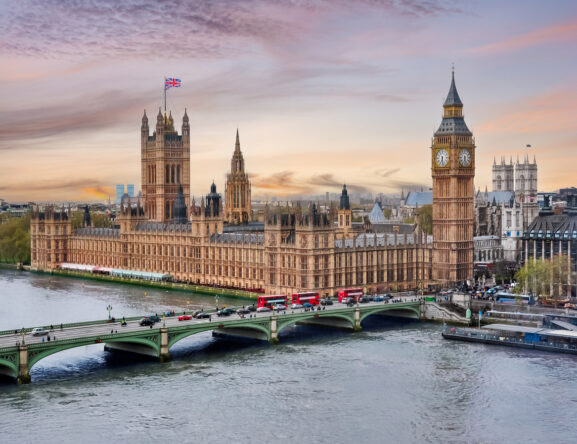
This is about understanding roles within government. Different parts of the system handle different responsibilities. The Commons is central to how decisions are made, but the exact role is what you’re being tested on here.
A. Enforces laws
B. Debates and makes laws
C. Runs the courts
D. Controls the police
Question 12: What age can you vote in UK elections?
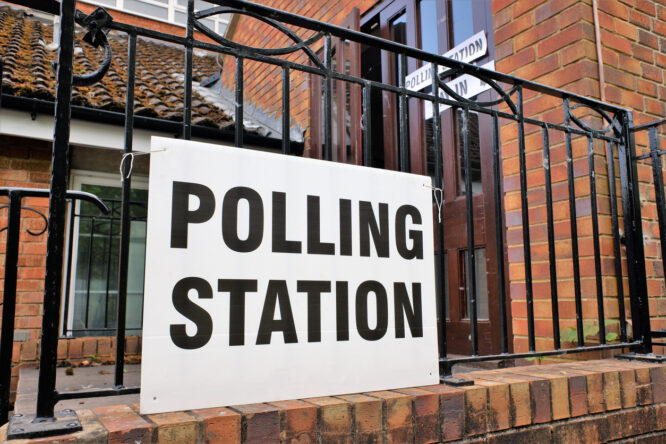
This one sounds simple, but it’s tied to legal adulthood and rights that come with it. It’s not about what feels reasonable, it’s about what’s officially set. If you’re unsure, think about when people are generally considered fully responsible in law.
A. 16
B. 17
C. 18
D. 21
Question 13: Which war was fought between England and France in the Middle Ages?
This question leans into history, but it’s one of the more commonly referenced conflicts. It lasted far longer than most people expect. The name itself gives a clue, especially if you remember how long the conflict went on.
A. Civil War
B. Hundred Years’ War
C. World War I
D. Napoleonic War
Question 14: What is the NHS?

This is something people use regularly, but the test is checking whether you know what it stands for and what it represents. It’s one of the key public services in the UK, so it’s about recognising its role rather than just the abbreviation.
A. Private insurance
B. National Health Service
C. Government tax system
D. Police service
Question 15: What is the UK’s system of government?
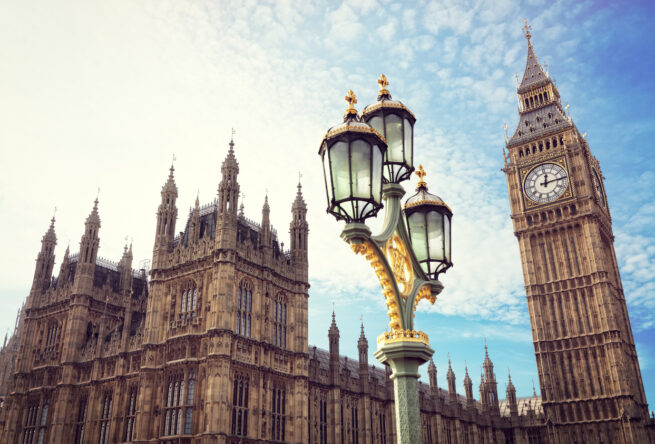
The UK doesn’t operate in the same way as countries like the US or others with different political structures. This question is about recognising the balance between monarchy and elected government.
A. Republic
B. Absolute monarchy
C. Constitutional monarchy
D. Dictatorship
Question 16: Which sport was invented in the UK?

Several sports are strongly associated with the UK, but only some actually started here. This comes down to knowing origins, not just popularity.
A. Baseball
B. Basketball
C. Football
D. Tennis
Question 17: What does a jury do?
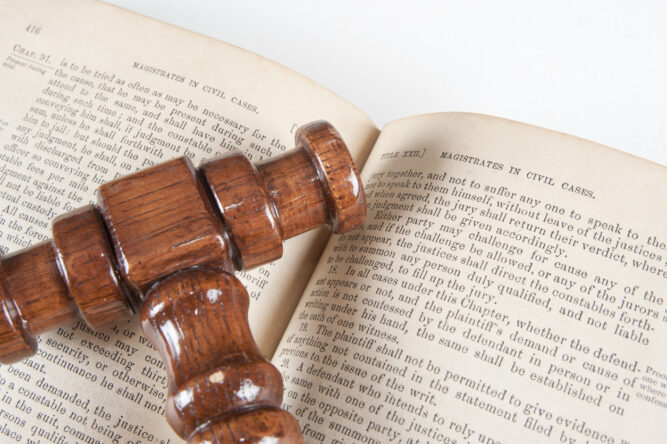
This question focuses on the legal system and how decisions are made in court. It’s not about who enforces the law, but who decides the outcome in certain cases.
A. Makes laws
B. Decides guilt in trials
C. Runs elections
D. Writes policies
Question 18: What is Remembrance Day for?
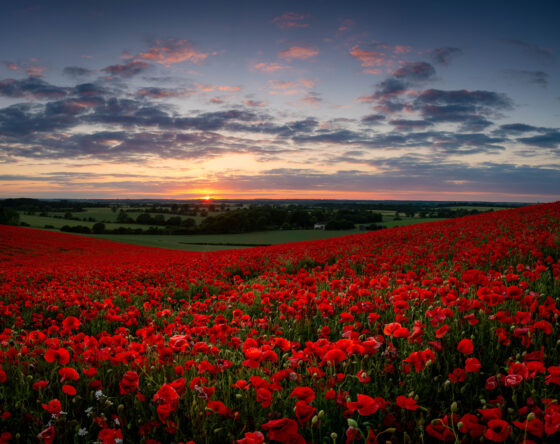
This is one of the most widely recognised events in the UK calendar, marked every year. The focus is on what it represents rather than how it’s observed.
A. Celebrating the monarchy
B. Honouring war dead
C. Marking independence
D. National holiday
Question 19: What is the UK known for internationally?

This question is about reputation rather than geography or history. Think about how the UK is generally viewed in terms of its systems and values.
A. Oil exports
B. Democracy and rule of law
C. Space travel
D. Military rule
Question 20: Who appoints the Prime Minister?
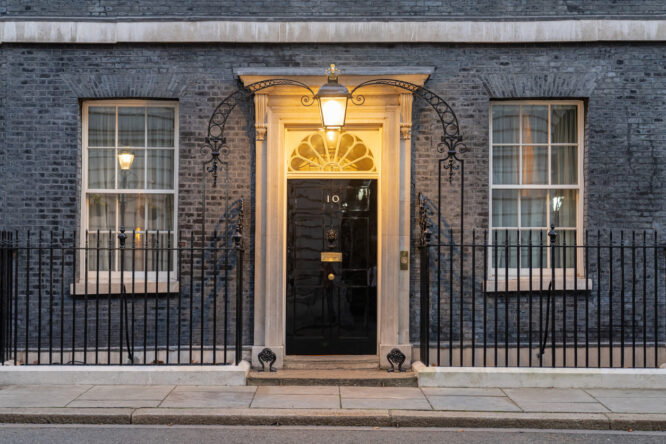
This can be confusing because elections play a role, but they’re not the final step in the process. The question is asking who formally makes the appointment, not who wins votes.
A. The public
B. Parliament
C. The King
D. Judges
Question 21: What is a general election?
This is about how political representation is decided across the country. It’s not about local decisions or individual roles, but something much broader.
A. Local vote
B. Vote for MPs
C. Royal ceremony
D. Tax change
Question 22: What is devolution?

The UK doesn’t operate as a single centralised system. Power is shared in certain areas. This question is about understanding how that power is distributed.
A. Ending laws
B. Power given to Scotland, Wales, NI
C. Military rule
D. EU control
Question 23: What is the police role?
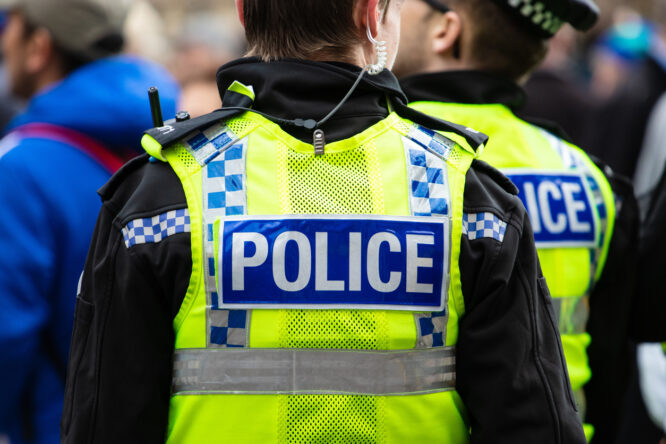
This focuses on responsibility rather than authority. Different parts of the system have different roles. The police are part of enforcement, not decision-making.
A. Make laws
B. Enforce the law
C. Judge cases
D. Run schools
Question 24: What is the official language of the UK?

This question sounds easier than it is because the UK is culturally diverse with many languages spoken. However, the test is asking about official status, not everyday usage.
A. French
B. English
C. German
D. Spanish
Question 25: How many questions do you need to get right to pass the real test?
This one is about the structure of the test itself, not general knowledge. If you’ve been keeping track, you might already have a sense of what the pass mark looks like.
A. 10
B. 12
C. 18
D. 20
Answers:

1. B — Hunter-gatherers
2. B — 10,000 years ago
3. B — Cardiff
4. B — The Commons and the Lords
5. C — Pound sterling
6. B — The King
7. B — God Save the King
8. A and B — Democracy and the rule of law
9. C — Around 67 million
10. B — Ben Nevis
11. B — Debates and makes laws
12. C — 18
13. B — Hundred Years’ War
14. B — National Health Service
15. C — Constitutional monarchy
16. C — Football
17. B — Decides guilt in trials
18. B — Honouring war dead
19. B — Democracy and rule of law
20. C — The King
21. B — Vote for MPs
22. B — Power given to Scotland, Wales, Northern Ireland
23. B — Enforce the law
24. B — English
25. C — 18