The Artemis II crew is currently making history as the first humans to leave low Earth orbit in over 50 years.
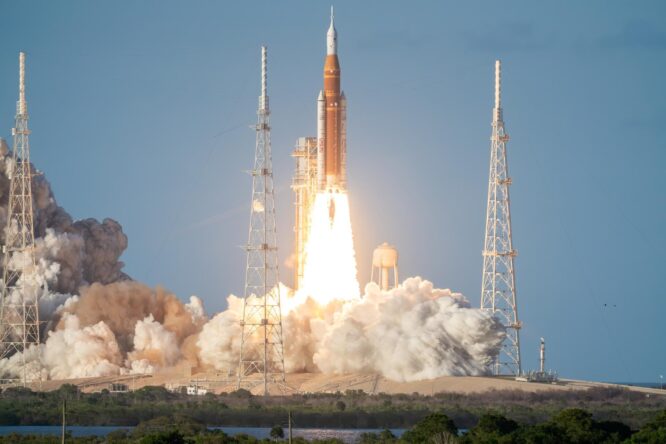
As Reid Wiseman, Victor Glover, Christina Koch, and Jeremy Hansen head toward the lunar far side, the question a lot of people are asking is why we’re bothered. They aren’t landing, they aren’t planting a flag, and they aren’t even bringing back a handful of dust. From a distance, it looks like a very expensive U-turn.
However, while it might seem like a high-stakes sightseeing trip, the reality of this 10-day mission is a bit more grounded. If we’re ever going to get back to the surface properly—and eventually head to Mars—this lap of the block is the one thing we can’t skip.
This mission is the essential dress rehearsal for a safe landing.
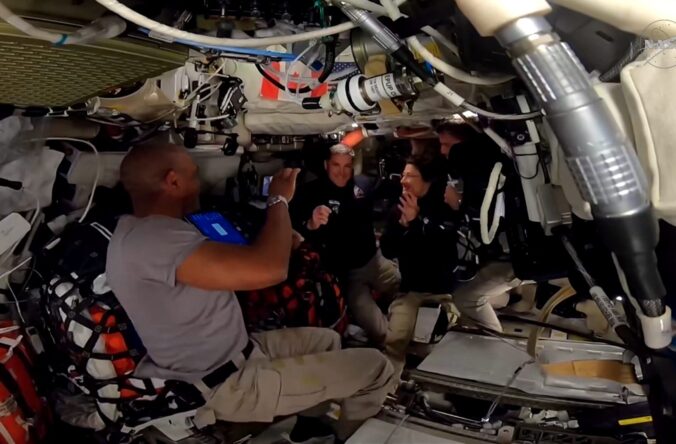
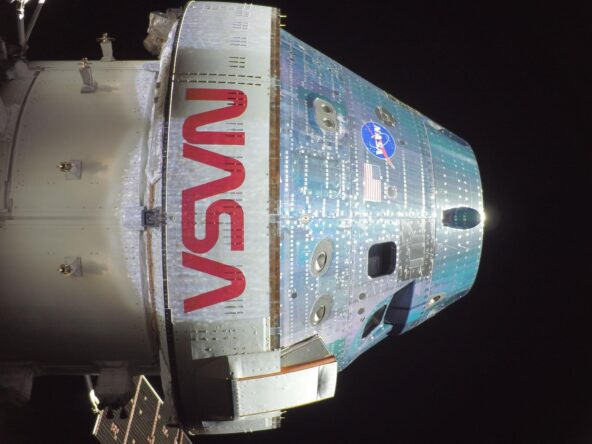
The biggest reason we’re not landing this time is that the kit isn’t ready for it yet. The Orion spacecraft is a phenomenal bit of engineering, but it’s a capsule designed for travel, not a lunar lander. NASA is taking a staged approach, which is basically testing the car on the motorway before trying to drive it across a desert.
Artemis I proved the rocket could get an empty ship to the Moon and back, but Artemis II is about seeing if that same ship can keep four people alive in an environment that is actively trying to kill them. They’re currently testing the life-support systems, the comms links, and how the crew handles radiation levels once they leave the protection of Earth’s magnetic field. You don’t want to find out your oxygen scrubbers have a glitch while you’re actually trying to touch down on the lunar south pole.
The crew are acting as the primary test subjects for deep space health.
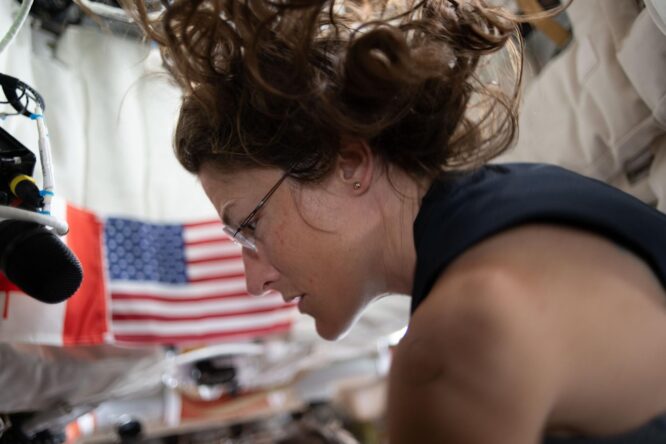
We know a lot about how the human body handles the International Space Station, but that’s still relatively close to home. Artemis II takes the crew much further out into a much harsher radiation environment. The crew are participating in studies like ARCHeR and AVATAR, wearing sensors to track sleep and stress, but they’re also carrying “organ-on-a-chip” technology.
These are tiny devices containing human cells that allow scientists to see exactly how deep-space radiation hits our tissue at a molecular level. By the time we send people to live on the Moon for months on end, we need to know exactly what kind of medical kit and shielding they’re going to need to survive.
Human eyes provide a level of geological detail that robots still miss.
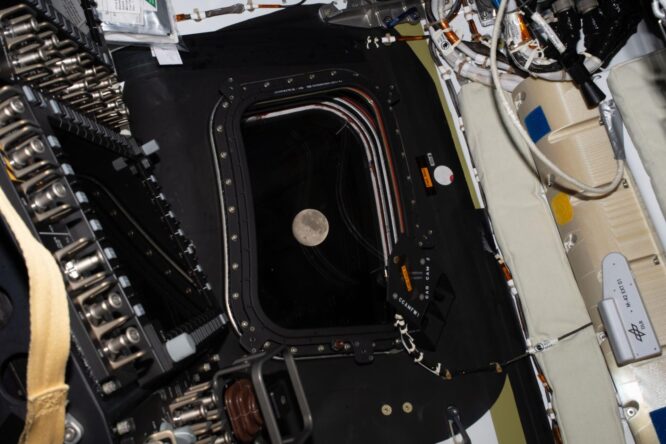
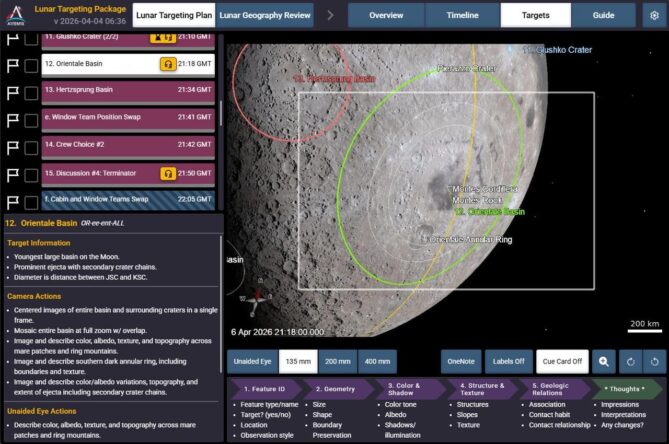
Even though they’re staying inside the ship, the astronauts have a massive job to do when they reach the lunar far side. This is the half of the Moon we never see from Earth, and it’s rugged, heavily cratered, and vastly different from the smoother “seas” on the side we’re used to. The crew has been trained in field geology to identify specific features like the Orientale and Hertzsprung basins.
They’ll be taking high-resolution photos and describing what they see in real-time. Having a human eye look at these craters, some of which are billions of years old, is still worth more than a thousand robotic flybys. It helps us map out the history of our own solar system and helps mission planners figure out where the safest spots are for the Artemis IV landing.
The investment supports a massive workforce back here on Earth.
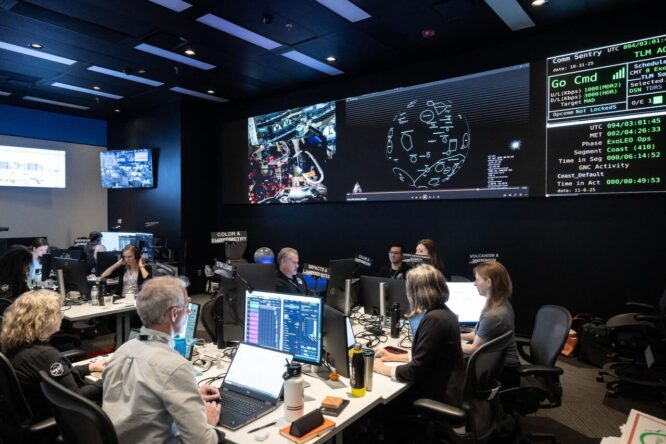
This is the part that usually gets people talking. The Artemis programme has a price tag nearing $100 billion, and when things are tough down here, spending that kind of money to send four people around a rock can feel a bit tone-deaf. However, that money isn’t being blasted into space; it stays on the ground. It pays the wages of tens of thousands of engineers, scientists, and technicians across the US, the UK, and Europe.
There’s also the long-term goal of the “Moon economy.” There is a genuine belief that the Moon’s south pole holds vast amounts of water ice. If we can harvest that, we can turn it into oxygen to breathe and hydrogen for rocket fuel. Essentially, the Moon could become a petrol station for the rest of the solar system, making Mars missions much cheaper because we won’t have to drag all that heavy fuel out of Earth’s gravity.
International competition is driving a new era of global cooperation.
We’d be kidding ourselves if we said this was purely about science. There’s a massive element of competition at play. China has its own ambitious lunar plans, and the US is keen to keep its lead. However, unlike the 1960s, this isn’t just a solo run. The Artemis Accords have brought together dozens of countries to agree on how we should behave out there—things like sharing scientific data and helping each other in emergencies. It’s about setting the rules of the road before things get too crowded. It’s as much about diplomacy and international law as it is about rocket engines.
Success here paves the way for the next generation of lunar explorers.
If the crew splashes down safely in the Pacific in a few days, the focus moves immediately to the next steps. Artemis III is scheduled for 2027, which will be another test in Earth orbit to see if Orion can successfully dock with the new Starship landers being built by SpaceX. Then comes Artemis IV in 2028, which is the big one where we finally put boots back on the moon, including the first woman and the first person of colour to step onto the surface.
So, while Artemis II might feel like a long way to go just to turn around and come home, it’s the foundation for everything that follows. We’re learning how to live in the deep dark, how to keep our tech running in the cold, and how to eventually turn the Moon from a destination into a permanent base. It might not have a “one small step” moment just yet, but it’s the mission that makes all those future steps possible.