The latest round of NHS industrial action kicks off at 7 a.m. on 7 April, with resident doctors across England walking out for 6 days in a dispute that’s set to cause major disruption to routine care.
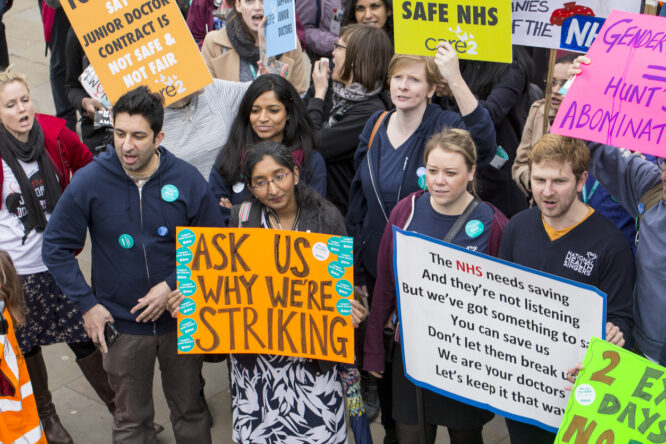
Coming immediately after the bank holiday break, this strike will see thousands of appointments and operations postponed as the health service pivots to prioritise emergency and life-saving treatment. While A&E departments will remain open for genuine emergencies, the message from Trust leaders is clear: if you haven’t been contacted to reschedule, you should still turn up for your appointment as planned, but expect longer waits and a much leaner service than usual.
Navigating the next week is going to require a bit of patience and a clear understanding of where to go for help, whether that’s sticking with your GP, using 111 for non-urgent issues, or knowing when you absolutely must head to the hospital. If you’ve got an appointment booked or think you might need care, the main thing to understand is that the NHS is still operating. However, services may be slower than usual, and some routine care could be affected while priority is given to urgent and emergency cases.
Here’s what you need to know about what’s happening and how it may impact you.
What the strike involves, and why it affects so many services

The strike involves resident doctors, who make up a large part of the hospital workforce. They’re involved in day-to-day patient care, from ward rounds to assisting with procedures, which is why their absence has a noticeable impact. Because resident doctors work across all NHS hospitals in England, this isn’t limited to one region. Every hospital is expected to feel some level of disruption, even with contingency plans in place.
What services will still be running during the strike

Despite the strike, the NHS isn’t shutting down. Consultants, nurses, GPs, and other specialist staff will continue working, and hospitals will focus on keeping essential services running safely. That means urgent care, emergency treatment, and critical services will be prioritised. However, some non-urgent care may be reduced or delayed to allow staff to focus on the most serious cases.
Why disruption is expected, even with staff still working

Even with other NHS staff stepping in, there are fewer doctors available overall, which naturally slows things down. Hospitals also need to reorganise teams and cover shifts differently during strike periods. The extra pressure can lead to longer waiting times, postponed procedures, and changes to how services are delivered. It’s not a complete shutdown, but it does affect how smoothly things run.
What to do if you need urgent medical help

If you need urgent care, the advice remains the same. You should use NHS 111 online, the NHS App, or call 111 if you don’t have internet access. They can assess your situation and guide you to the most appropriate service. This helps reduce pressure on hospitals and ensures people are seen in the right place, rather than automatically going to A&E when it may not be necessary.
When to call 999 or go to A&E

If someone is seriously ill or injured and their life is at risk, you should still call 999 or go to A&E immediately. Emergency services remain fully operational during the strike. The NHS has stressed that people shouldn’t avoid seeking urgent or emergency care because of the strike. If it’s serious, you should act as you normally would.
What happens if you already have an appointment booked

If you have a hospital appointment, test, or procedure scheduled during the strike period, you should attend as planned unless you are told otherwise. The NHS will contact you directly if your appointment needs to be rescheduled. This will usually be by text, phone call, or letter, so it’s important to keep an eye on messages.
Will rescheduled appointments affect your place in the queue?

If your appointment is moved, you won’t be pushed to the back of the waiting list. Rearranged appointments are expected to be prioritised to avoid long delays. However, you may not get much notice if something changes, as services are being managed in real time during the strike period.
Are GP services and dentists still open?

GP practices are expected to remain open as normal throughout the strike period. While some trainee doctors may take part in the action, GP surgeries are not dependent on them to function. Dental services are also expected to continue as usual. As with all appointments, you should attend unless you are contacted and told otherwise.
What to do about prescriptions and medication

If you rely on regular medication, it’s a good idea to order repeat prescriptions in advance. This helps avoid any delays and reduces the risk of running out during the strike period. Pharmacies will remain open, but demand may be higher than usual, so giving yourself extra time is a simple way to stay prepared.
What this means for patients already in hospital

Patients who are already in hospital will continue to receive care, but there may be some adjustments depending on staffing levels and priorities. Care teams will explain any changes directly to patients and families, and the focus will remain on maintaining safe treatment throughout the strike.
Why delays may continue after the strike ends

Once the strike finishes, hospitals will still need time to deal with any backlog of appointments and procedures that were delayed. As a result, some services may take a little while to return to normal, and waiting times could be affected in the days or weeks that follow.
What you should do right now

You don’t need to make major changes, but a few simple steps can help. Check your appointments, keep your phone nearby for updates, and make sure you have enough medication to last through the week. Most importantly, continue to use NHS services as you normally would. Attend appointments unless told otherwise, and don’t delay seeking urgent care if you need it.