There’s one particular spot in the Peak District that’s currently the go-to for anyone looking to catch the best morning views in the UK.
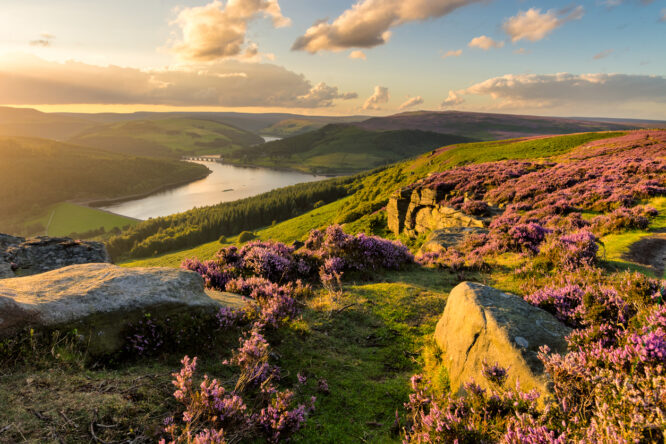
While the park is full of great trails, this specific route is famous for the moment the first light hits the limestone ridges and the mist settles in the valleys. It’s a bit of a lung-buster of a climb, but the payoff at the summit is exactly why hikers are setting their alarms for 4:00 this spring. Before the summer crowds turn up and the paths get packed, here’s why this specific walk is the one you need to tick off your list right now.
The Peak District has topped a new sunrise hiking list.
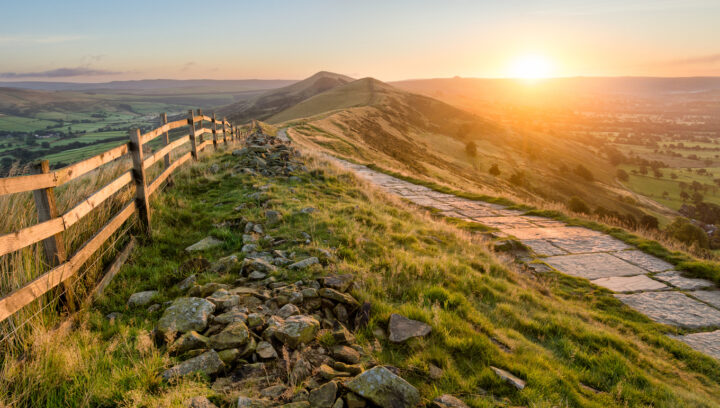
Outdoor experts at Blacks recently analysed data covering average sunrise times, cloud coverage, and the number of hiking trails available across different regions of the UK. Each location was scored out of 10, and the Peak District came out on top with an impressive 8.34. That score was driven by the sheer number of trails available and an average cloud cover of just 36.67% across March, April, and May, meaning clear skies are genuinely likely rather than just hopeful thinking.
The Yorkshire Dales came in second, followed by Northumberland, the Lake District, and the North Pennines rounding off the top five. But it’s the Peak District that takes the crown, and honestly, if you’ve ever been there on a clear morning, it’s hard to argue with that.
Mam Tor is the place to head for sunrise.
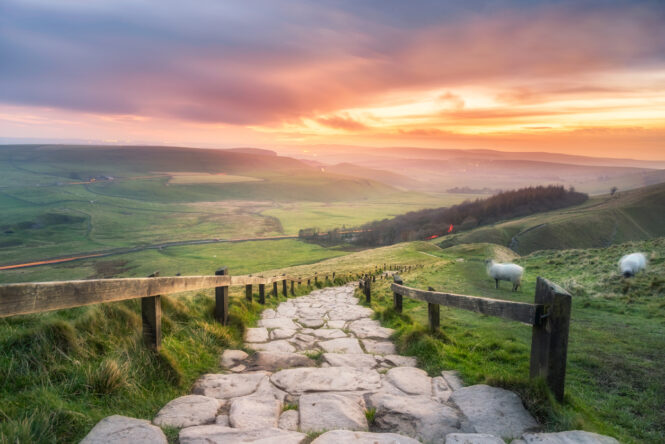
The Peak District has plenty of vantage points worth visiting, from dramatic gritstone edges to sweeping ridges like the Roaches, but the most iconic sunrise spot is undoubtedly Mam Tor. Standing at 517 metres, this striking hill sits at the head of the Hope Valley and offers views that stretch across both the Edale and Hope Valleys simultaneously. On a clear spring morning, when the light starts to creep over the ridgeline and the valleys below are still wrapped in mist, it genuinely takes your breath away.
It’s popular for a reason, and sunrise is the time of day when you’re most likely to have those views largely to yourself before the day walkers arrive. The name Mam Tor actually translates from Old English and Celtic as “mother hill”, and it’s been a significant landmark in the area for thousands of years, with an Iron Age hillfort at its summit that’s still visible today. That sense of history adds something to the experience that you don’t quite get on a more ordinary hillside.
The walk itself is manageable for most people.
The climb up to the summit of Mam Tor isn’t particularly long or technical, so it’s well within reach for walkers of most fitness levels. The path is well-maintained and clearly marked, which matters when you’re navigating in the dark to time things for sunrise. The ascent from the main car park at Mam Nick takes around 20 to 30 minutes at a comfortable pace, so even if you’re not an experienced hiker, you won’t find yourself struggling.
Once you’ve taken in the views from the top, the classic route descends back down and heads through Winnats Pass, a spectacular limestone gorge that’s dramatic in its own right and well worth slowing down for. The gorge itself has a slightly otherworldly atmosphere, with steep limestone walls rising sharply on either side of the narrow road and path, and it looks completely different in the morning light compared to later in the day.
From there you drop into the village of Castleton, which has cafes and pubs to reward yourself in once the morning gets going. The whole experience, from summit to village, flows naturally and doesn’t overstay its welcome.
You don’t need a car to get there.
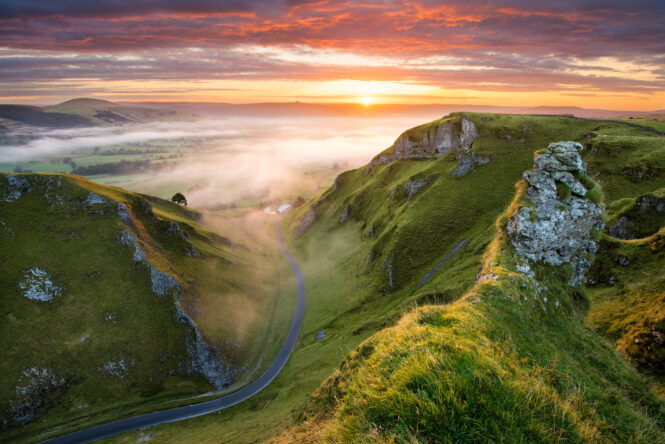
One of the best things about this particular walk is that you can do the whole day without driving if you want to. Trains run from Manchester to Edale station, and from there you can pick up several circular routes that take in Mam Tor as part of a longer loop. If you’re after a proper full day out, a six and a half mile circular route takes you from Edale up to Mam Tor, across to Castleton, and back via Hollins Cross.
Hollins Cross is a ridge crossing that connects Mam Tor to the surrounding hills and offers its own impressive views back over the valleys, so it’s worth not rushing that section even when your legs are starting to feel it. It’s a satisfying route that gives you a real sense of the landscape rather than just a quick out-and-back. Going by train also means you can relax on the journey home rather than navigating country roads when your legs are tired, and it’s one less thing to organise for an early start.
Spring is the ideal time to visit.
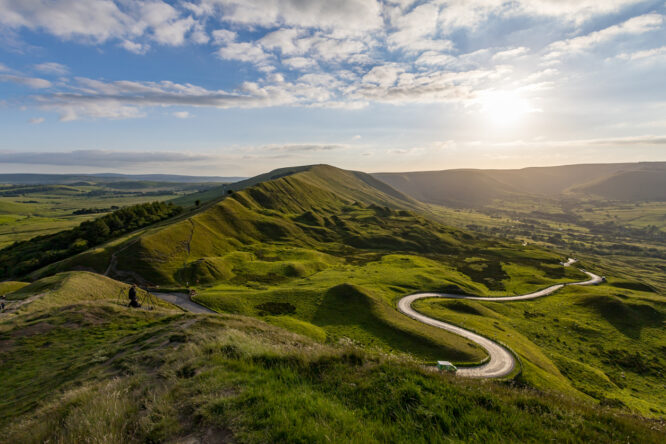
The clocks going forward means sunrise has shifted slightly later for a few weeks, which is genuinely good news for anyone who finds it hard to drag themselves out of bed before dawn. That extra half hour makes a real difference, and it means you don’t have to set an absolutely punishing alarm to be at the summit in time.
Spring also brings the landscape to life in a way that winter simply can’t match. The heather isn’t in full bloom yet, but the light is softer, the air is cleaner after winter, and the whole place has a freshness to it that makes walking feel easier and more enjoyable. Cloud cover in March, April, and May averages just under 37% across the Peak District, so the odds of catching a genuinely clear sunrise are meaningfully better than in other seasons.
It’s also worth keeping an eye on the forecast for a few days before you go rather than just the night before, since early morning conditions in upland areas can change quickly and a forecast that looks promising the evening before doesn’t always deliver.
What to take with you
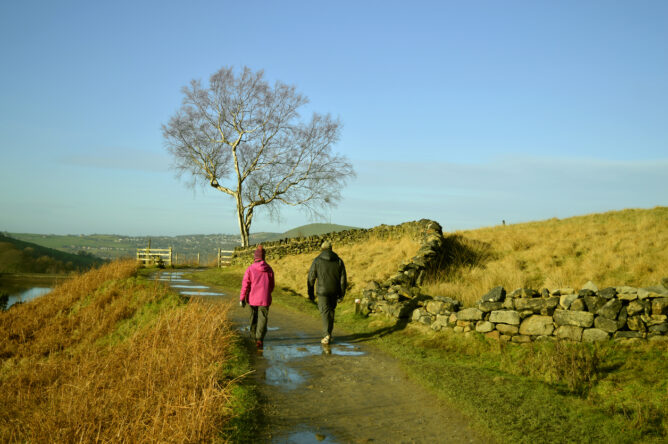
Even on a mild spring morning, it’s worth being prepared for the fact that hilltops are considerably colder than the valleys below, especially before sunrise when the temperature can still drop sharply. A decent windproof layer is more important than a thick coat, since it’s the wind chill that gets you at the summit rather than the cold alone. Layers you can add or remove as you warm up on the ascent are the most practical approach.
A head torch is essential if you’re leaving early enough to be at the top for first light, and it’s worth having one with fresh batteries rather than assuming the old one in a drawer will do the job. Decent footwear with some grip is sensible given that the paths can be damp with dew early in the morning, and bringing a flask of something warm to drink at the summit turns the experience from merely impressive into genuinely lovely.
Even if you miss the sunrise, the walk is still worth it.
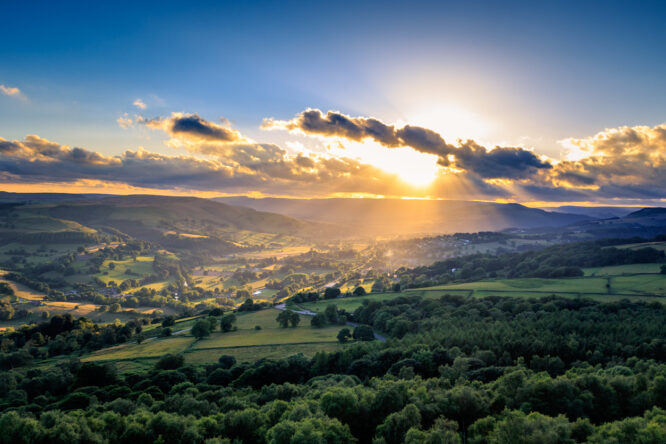
Not everyone is going to manage the perfect sunrise timing on their first attempt, and that’s fine. Mam Tor is just as stunning later in the morning, when the light is fuller and the valleys below are clearly visible. The views don’t disappear when the sunrise ends, and Winnats Pass is arguably even more impressive in daylight when you can properly see the scale of the limestone walls rising on either side of you.
Castleton itself is a lovely village with a good range of places to eat and independent shops to browse, and it also sits close to Peveril Castle, a Norman ruin managed by English Heritage that’s well worth the short climb up to it if you have energy left.
There’s also Blue John Cavern and Speedwell Cavern nearby if you fancy extending the day with something a little different. Treat the walk itself as a dress rehearsal if you miss sunrise and go back for it another time because once you’ve seen the landscape in that early morning light you’ll want to do it again anyway.
The top 10 UK regions for a sunrise hike
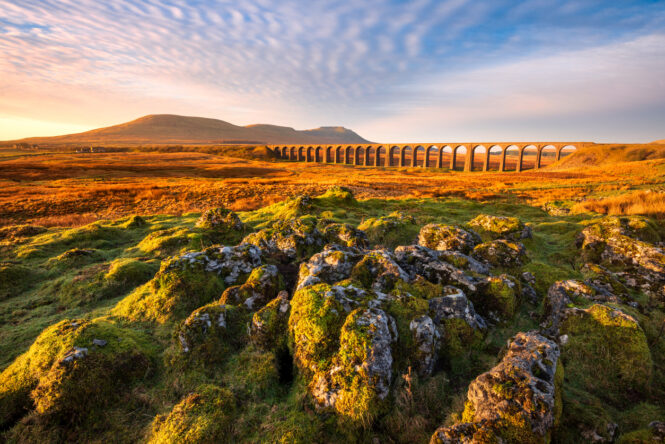
If the Peak District is a bit far for you, or you fancy exploring somewhere different, the full list from the study gives you plenty of options to consider. The Yorkshire Dales came in second and offer equally dramatic landscape, while Northumberland in third is worth serious consideration if you’re further north and want wide open skies with very little light pollution.
The Lake District in fourth is the most famous of the lot, though it tends to attract the biggest crowds. The North Pennines in fifth is arguably the most underrated on the list and well worth a look if you want somewhere quieter. Scotland’s Highlands came in sixth, with the North York Moors, Brecon Beacons, Snowdonia, and the South Downs completing the top ten.