Spending half an hour out in the garden can feel more like a chore than a luxury until you actually start doing it, but the physical and mental payoff is far more intense than you might think.
While it’s easy to dismiss a bit of weeding as light work, your body is actually going through a fairly rigorous full-body tune-up that rivals a standard gym session. From the way your heart rate stabilises to the surprising spike in your functional strength, those 30 minutes are doing a massive amount of heavy lifting behind the scenes.
It’s not just about the physical burn, though; there’s a genuine chemical change that happens the moment you get your hands in the dirt, acting like a natural reset button for a stressed-out brain. Before you decide to skip the garden maintenance this weekend, here’s how a quick session with the trowel is currently being hailed as one of the best things you can do for your long-term health.
It works like exercise without the mental resistance that usually comes with it.
Most people struggle with exercise because it feels like something you have to carve out time for and push yourself through. Gardening doesn’t carry that same weight. You’re not thinking about sets or performance, you’re just doing small tasks that happen to involve movement, which makes it easier to keep going without talking yourself out of it halfway through.
That’s a big part of why it works so well. You’re bending, lifting, reaching, and walking in short bursts, and it all adds up without feeling like effort. Over time, that kind of consistency does more for your body than occasional intense workouts that never quite become a habit.
Your heart and circulation get a steady boost without being pushed too hard.

Even fairly simple gardening jobs get your blood moving more than sitting indoors. Digging, raking, or even walking back and forth with a watering can builds a rhythm where your heart rate lifts slightly and stays there for a while, which is exactly what your body responds well to.
It’s that middle ground that matters. You’re not exhausted afterwards, but your body has still done enough to support cardiovascular health. Doing that regularly helps keep things ticking over in a way that feels manageable rather than draining.
You build useful strength through everyday movements, not isolated exercises.
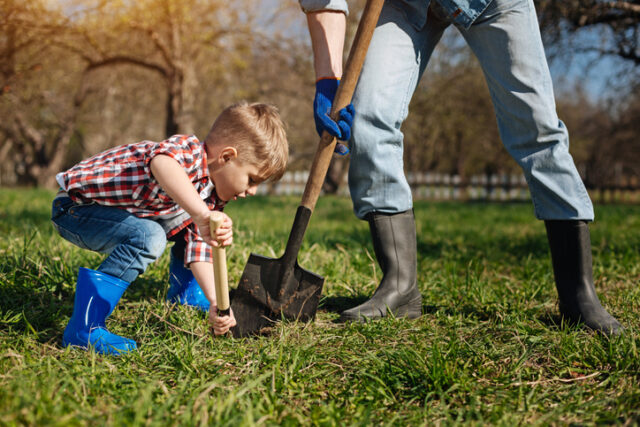
Gardening doesn’t target muscles in a neat, gym-style way, but that’s actually part of the benefit. You’re lifting awkward shapes, shifting weight, crouching, and standing again, which uses multiple muscle groups at once without you having to think about it.
That kind of strength tends to carry over into real life more easily. It helps with balance, coordination, and general mobility, which becomes more noticeable as you get older and everyday tasks start to feel heavier than they used to.
Your joints stay more mobile because you’re not stuck in one position for hours.
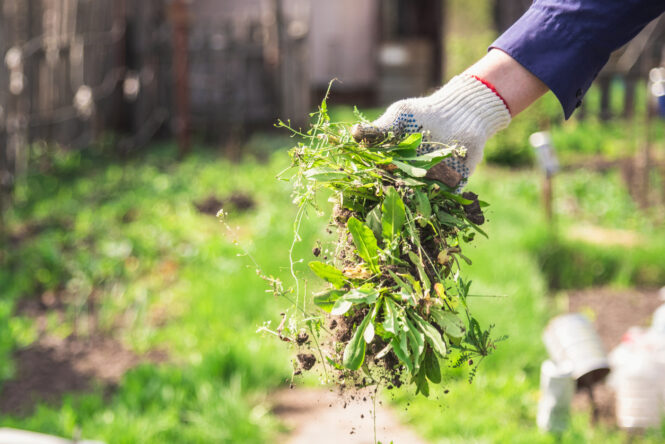
A lot of daily life involves sitting or standing in the same position for long stretches. Gardening breaks that pattern without needing a plan. You’re moving up and down, stretching across beds, twisting slightly, and changing position often without realising it. The variation helps keep joints from stiffening up. It doesn’t feel like a stretch session, but your body still benefits from being taken through a wider range of movement than it usually gets.
It puts gentle pressure on your bones in a way that helps keep them strong.
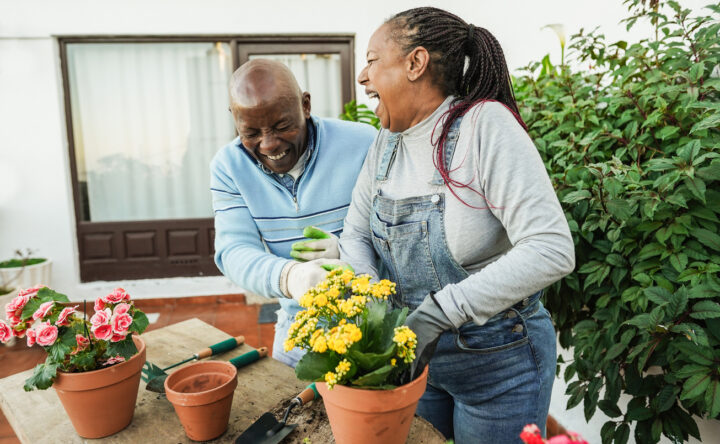
Activities like digging or carrying bags of compost aren’t extreme, but they do create small amounts of load through your body. That’s enough to signal to your bones that they still need to stay strong and active. It’s easy to overlook, but this becomes more important with age. Regular, moderate effort like this helps maintain bone density in a way that doesn’t require anything intense or uncomfortable.
Your stress levels drop in a way that feels natural rather than forced.
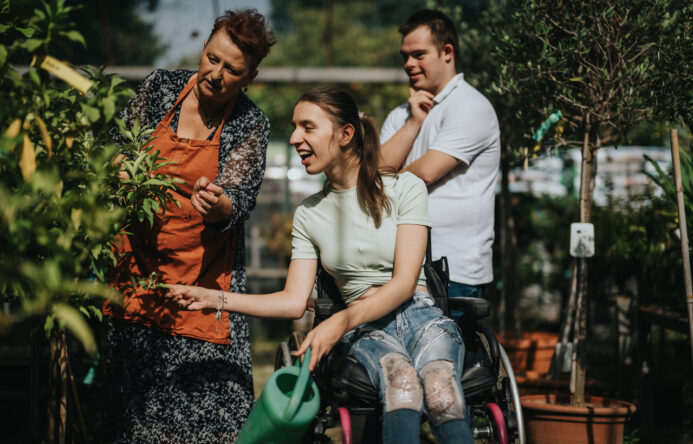
There’s a noticeable difference between trying to relax and actually feeling relaxed. Gardening leans into the second one. You’re focused on simple, physical tasks, and your attention moves away from whatever’s been circling in your head.
Being around greenery adds to that effect. It gives your brain something easy to process, which helps take the edge off that constant background tension people carry without noticing. Even a short time outside can leave you feeling more settled.
It helps break the cycle of overthinking without needing to ‘switch off’ completely.
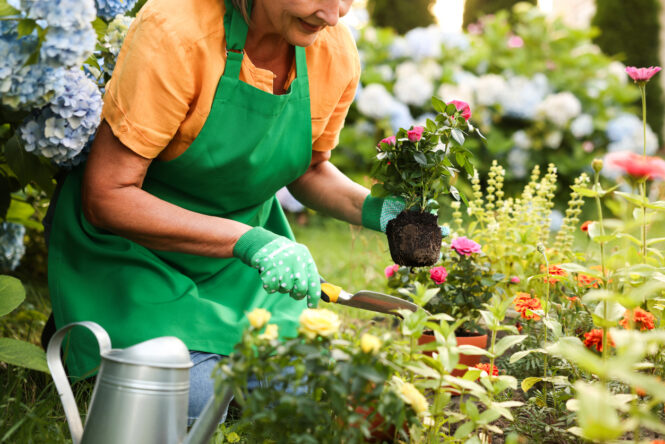
When your mind is busy, it’s hard to just stop thinking on command. Gardening gives you something else to focus on instead, which is often more effective. You’re still engaged, just not in a way that keeps feeding stress. Refocusing your attention gives your brain a bit of breathing space. You come back from it feeling clearer, not because you forced yourself to relax, but because your mind had somewhere else to go for a while.
Your mood tends to lift through small, visible progress.
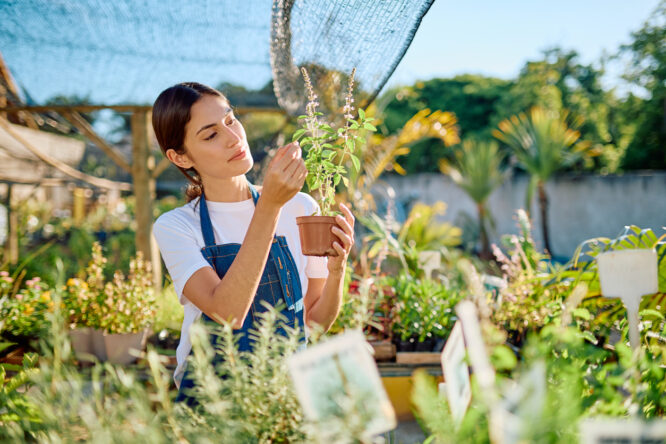
There’s something simple but powerful about seeing things change because of your effort. Plants grow, spaces look tidier, and even small improvements feel tangible in a way that a lot of daily tasks don’t. The sense of progress builds slowly but surely. You don’t need big results for it to work. Just seeing that something has improved since you started can be enough to nudge your mood in a better direction.
It creates low-effort opportunities to feel more connected to people around you.

Spending time in your garden, especially if it’s visible from the street or near neighbours, naturally opens the door to small interactions. A quick chat, a comment about the weather, or even just being seen can make a difference. Those small moments are easy to dismiss as unimportant, but they help reduce that sense of isolation that can creep in, especially if you spend a lot of time indoors. It’s social contact without pressure.
It can slowly change your eating habits without forcing a big change.
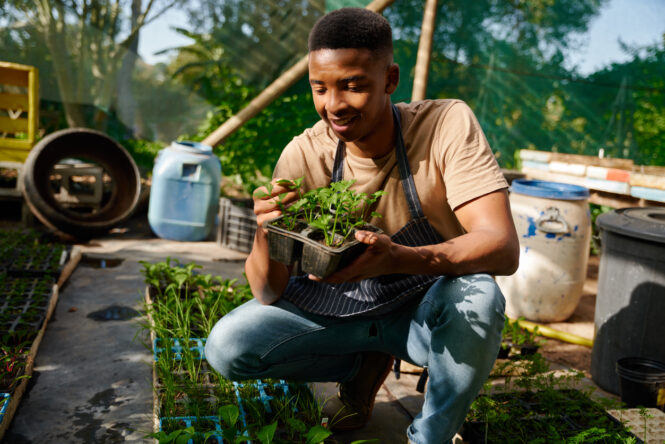
If you’re growing herbs, fruit, or vegetables, you’re far more likely to use them. It doesn’t turn everything upside down overnight, but it nudges your choices in a better direction without much effort. There’s also a different level of appreciation when you’ve grown something yourself. You’re more likely to include it in meals, waste less, and pay a bit more attention to what you’re eating overall.