Bringing a new dog into the house is a massive life change, and it’s easy to get swept up in how a certain breed looks without considering if you’re actually ready for the reality of living with them.

Some of the most popular dogs on the planet are currently causing a bit of a headache for new owners who didn’t realise they were signing up for a full-time job in training and temperament management. It isn’t that these breeds are “bad” dogs; it’s just that their natural instincts can quickly become overwhelming if you’re still learning the ropes, whether that’s a high prey drive or a stubborn streak a mile wide.
Instead of picking a pet based on a viral video, it’s worth listening to the experts who spend their lives fixing the fallout when a first-timer gets in over their head. Taking a beat to look at the breeds that need a firm, experienced hand will save you a lot of stress and a few chewed-up sofas in the long run.
That is really the heart of the warning around several of the UK’s most talked-about breeds. The issue is not that these dogs are bad pets, but that many of them need more time, more money, more exercise, more training, or more lifestyle planning than a beginner expects. When a dog’s needs and an owner’s reality do not match, everyone ends up struggling.
Why popularity can be a terrible guide for new dog owners

The breeds that dominate wish lists are often the ones with the strongest visual appeal or the biggest online presence. Compact, flat-faced dogs look cute and manageable. Highly intelligent working dogs look impressive. Long-bodied little dogs look funny and charming. But looks do not tell the full story, and beginner owners often only learn that after the dog is already home.
Respected UK pet advice bodies tend to frame the decision around lifestyle instead. PDSA tells prospective owners to think about place, exercise, time and spend before choosing a pet, which is a much better test than asking which breed is trendy right now. A dog might be popular across the country and still be completely wrong for a household where everyone works long hours, lives in a small flat, or is not ready for the cost of ongoing vet care.
French bulldogs may look easy, but the health issues can be hard work.

French bulldogs are one of the clearest examples of a breed that looks beginner-friendly, but often is not. They are small, affectionate, and very appealing to people who want a dog that seems lower effort than a big working breed. The problem is that their body shape can bring serious welfare issues, especially breathing problems linked to brachycephalic obstructive airway syndrome, or BOAS. PDSA says French bulldogs are prone to BOAS, kneecap problems, dental crowding and eye conditions, while its flat-faced dog guidance warns that breathing difficulties in these breeds are often normalised when they should not be.
For a first-time owner, that can mean more stress, more expense and more practical care than expected. A dog that struggles in hot weather, pants heavily, snores loudly, tires easily or may need specialist treatment is not a simple starter pet. The emotional side matters too because many new owners do not realise how upsetting it can be to see a young dog dealing with chronic problems that come down to the way the breed has been shaped over time.
Border collies are brilliant, but brilliance is not the same as easy.
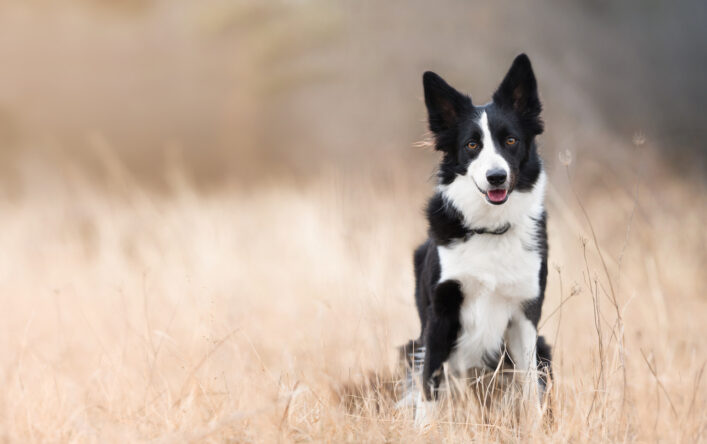
Border collies often get described as one of the smartest dog breeds in the world, and that sounds like a selling point to a beginner. In real life, it can be the opposite. Intelligence in a dog is only enjoyable if the owner has the time, energy, and consistency to give that dog enough to do. PDSA describes border collies as dogs that love to be on the go all the time, and says they thrive on plenty of exercise and lots to keep them occupied.
That means this is rarely a good match for someone who wants a pet that will be content with a couple of short walks and an evening on the sofa. A bored border collie can become frustrated, noisy, obsessive or destructive, not because the dog is naughty, but because its brain and body are asking for far more than the average beginner has planned for. People often imagine they are buying a clever companion, when what they are really bringing home is a full-time project.
Siberian huskies need a lifestyle, not just an owner.
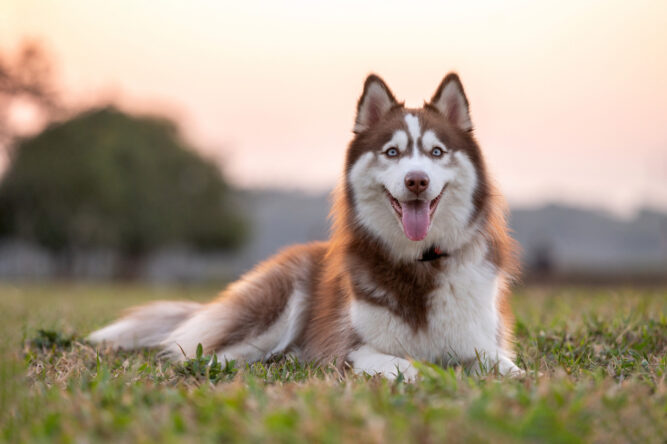
Huskies are another breed that beginners regularly underestimate. They are striking to look at and have a friendly, playful image, but their care needs are not small. PDSA says a Siberian husky needs a minimum of two hours of exercise every day, ideally spread across the day, plus play, training, and safe off-lead time in a secure area.
That level of daily commitment is a lot for an experienced owner, never mind a first-time one. Add in the fact that huskies are known for their stamina, independence, and talent for escaping weak boundaries, and the gap between expectation and reality gets even bigger. They are not impossible dogs by any means, but they are a poor choice for people who are just learning how much work ordinary dog ownership already involves.
Cocker spaniels can be lovely family dogs, but they are not always low-maintenance.

Cocker spaniels often get recommended as cheerful, affectionate pets, and many absolutely are. That said, being sweet-natured does not automatically make a breed beginner-proof. PDSA notes that cocker spaniels are known for suffering with separation anxiety and says they should never be left alone for more than four hours, with even that being too much for some dogs.
That matters because a lot of first-time owners are also trying to fit a dog around work. A breed that bonds strongly, wants company for much of the day, and may become distressed when left alone can be a rough introduction to dog ownership. On top of that, cocker spaniels are active, bright dogs that need regular exercise, stimulation and grooming, so they can be much more full-on than their soft, friendly image suggests.
Dachshunds are small, but they can bring big health and training challenges.

Dachshunds are easy to underestimate because of their size and funny shape. They seem portable, manageable, and ideal for smaller homes. But PDSA warns that dachshunds are prone to intervertebral disc disease, a painful spinal problem, and its wider breed-health advice points to long backs as an exaggerated feature linked to serious disc issues.
That is a major thing for beginners to take on, especially when it affects everyday choices like stairs, jumping on furniture, weight control and exercise management. Training can also test a new owner’s patience because dachshunds may be small, but they are not always straightforward. A first dog that combines stubbornness, barking, handling needs and a real risk of costly back trouble is not always the gentle introduction people imagine.
The bigger point is not to avoid these dogs forever.

None of this means these breeds should never be owned, or that they cannot thrive in the right home. Plenty of experienced owners adore them and do an excellent job meeting their needs. The real warning is about mismatch. A dog can be wonderful and still be wrong for a beginner’s first attempt at pet ownership.
That is why the better question is not which breed is cutest or most popular. It is which breed fits the household that will actually be caring for it every day. The right first dog is usually the one whose exercise needs, health profile, temperament, and training demands line up with ordinary life, not the one that looks best in photos.
What first-time owners should look at before choosing any breed

A sensible first step is to be brutally honest about time, money, and routine. Can someone be home enough for a dog that hates being left alone. Is there budget for insurance and possible ongoing treatment. Is there enough energy for one to two hours of daily exercise for years, not just for the first enthusiastic month. Those questions usually tell a more useful story than breed rankings ever will.
It also helps to speak to vets, rescue centres and reward-based trainers before committing. Rescue organisations in particular are often very good at matching personality and energy level to the right home, which can matter more than picking a fashionable breed from a top-ten list. For new owners, that kind of grounded advice is usually worth far more than hype.