If you’ve been looking at the roof of your house and wondering if it could be doing more than just keeping the rain out, the landscape is about to move in your favour.
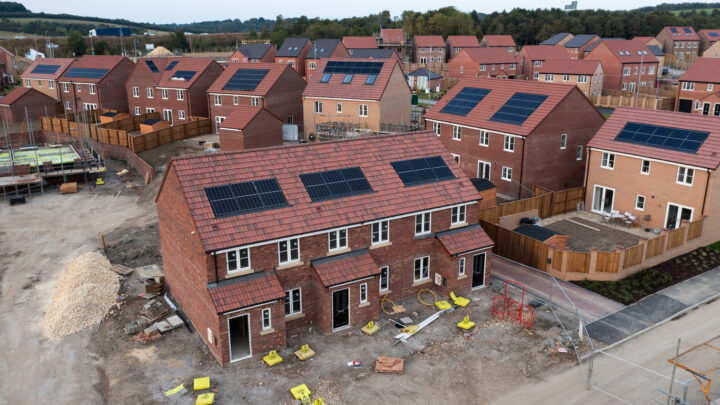
The government is pushing for solar panels to become a standard feature on new-build homes, part of a wider plan to bake energy efficiency into the bricks and mortar of our housing stock from day one. However, it’s not just those buying fresh off the plan who are getting a look-in; a new wave of plug-in solar panels is hitting the market, allowing renters and those in older flats to get a slice of the action without a massive construction bill.
These portable kits are designed to be hooked up to a balcony or a small garden space, feeding power directly into your home through a standard socket. Whether you’re moving into a state-of-the-art eco-home or just trying to shave a few quid off your monthly bill in a Victorian terrace, the way we harness the sun is becoming a lot more accessible for everyone.
New homes are expected to include solar as standard.
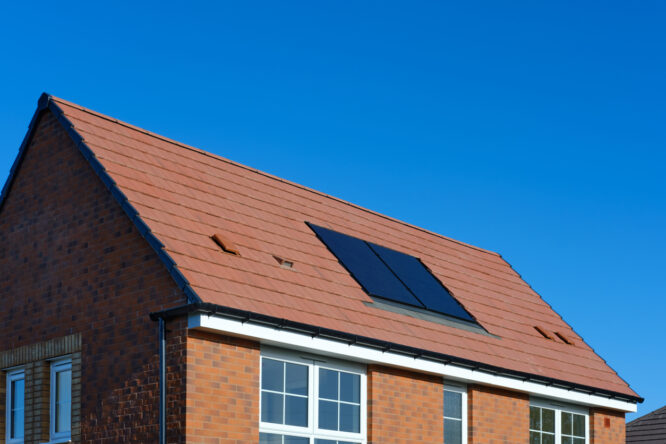
One of the biggest changes is the expectation that many new-build homes will come with solar panels built in as part of their design. Instead of being an optional upgrade, solar is increasingly being treated as a normal feature of modern housing. That means future homes won’t just use energy, they’ll produce some of it too. Over time, that could reduce bills for homeowners and make new properties far less dependent on traditional energy sources.
Why the focus is moving towards new builds
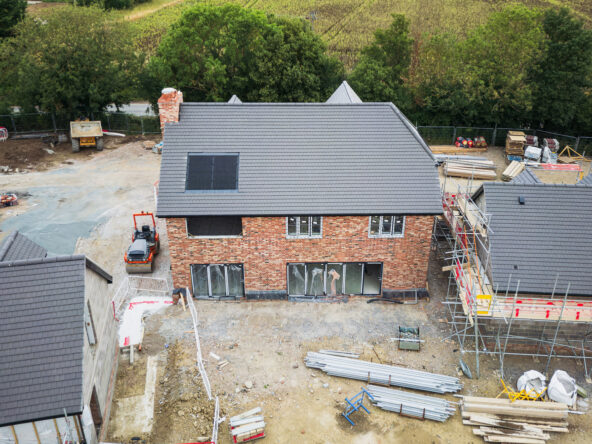
Retrofitting older homes with solar can be expensive and complicated, especially in areas with planning restrictions or unsuitable roof layouts. New homes, on the other hand, can be designed around solar from the beginning. By building energy generation into the structure itself, developers can make systems more efficient, better integrated, and often cheaper to install compared to adding them later.
How this could change energy bills long term
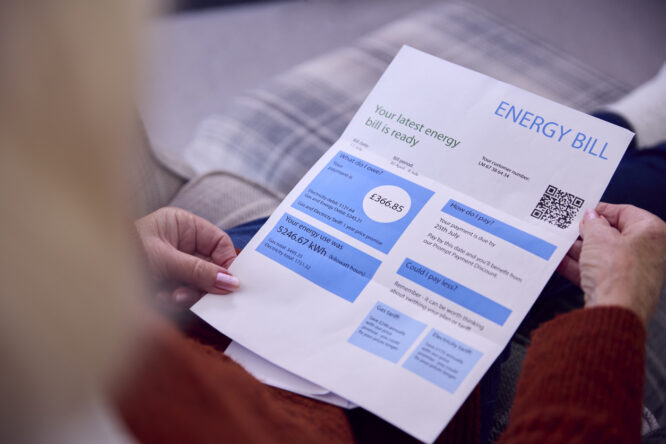
For people moving into new-build homes, having solar included could mean lower electricity bills straight away. Even a partial reduction in grid usage can make a difference over time, especially with energy prices remaining unpredictable. It also gives homeowners a bit more control over their energy use, rather than being fully exposed to market price changes in the same way older homes often are.
What this means for housing standards going forward
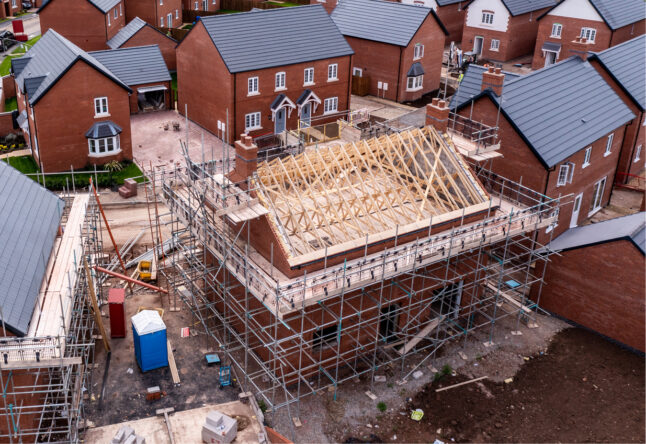
This move ties into wider plans to improve energy efficiency across the UK housing stock. New homes are already being built with stricter insulation and energy standards, and solar is becoming part of that same push. Over time, this could create a clear divide between older properties and newer ones, with newer homes being cheaper to run and more self-sufficient when it comes to energy.
Where plug-in solar fits into this
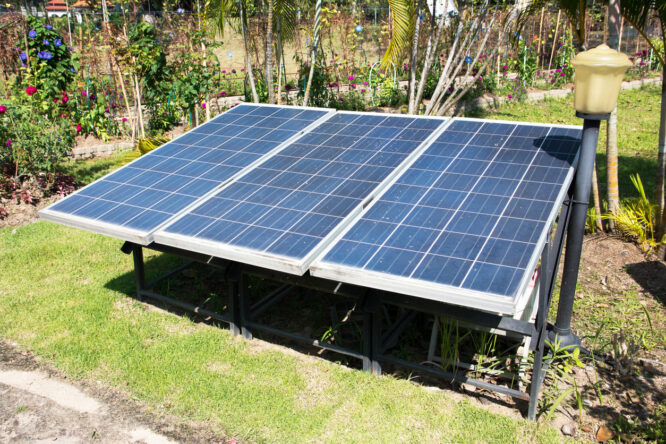
While new homes are being built with solar in mind, plug-in panels are aimed at everyone else. They offer a simpler way for people in older homes, flats, or rented properties to benefit from solar without needing major work done. In that sense, the two approaches work together. One improves things long term through housing design, while the other offers a quicker, more accessible option for people right now.
Why this matters for renters and existing homes
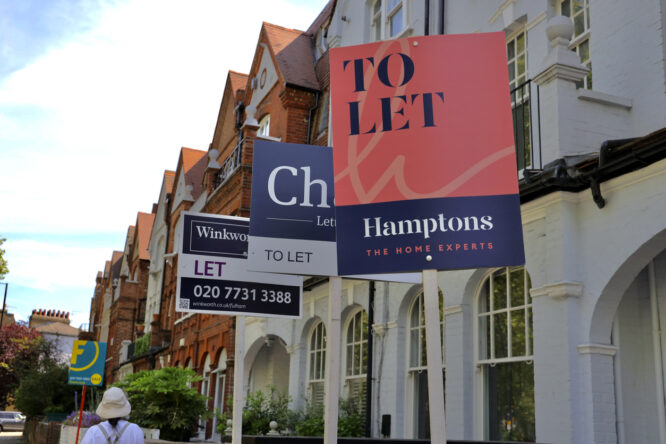
Most people won’t be moving into a new-build anytime soon, which is where plug-in solar becomes more relevant. It gives those in older properties a way to take part in the same move towards self-generated energy. For renters especially, it’s one of the first realistic ways to access solar without needing permission for structural changes or committing to a long-term installation.
How developers and builders are being pushed to adapt
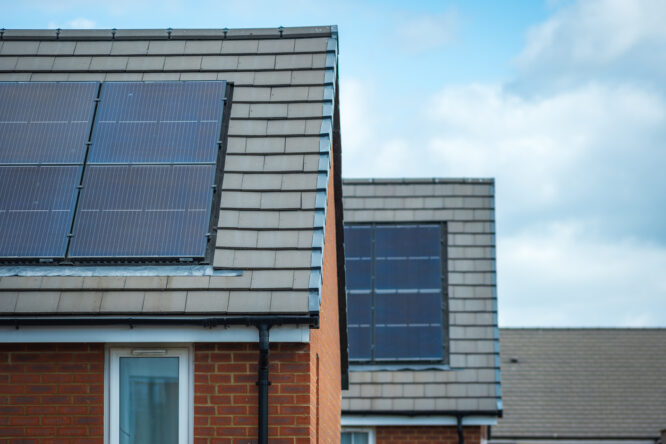
There’s increasing pressure on developers to include renewable energy features as part of new housing projects. Solar panels are one of the easiest ways to meet those expectations while also making homes more appealing to buyers. As a result, more developers are likely to include solar as standard rather than as a premium extra, especially as regulations and buyer expectations continue to evolve.
What this means for the wider energy system
If more homes start generating their own electricity, even in small amounts, it could reduce demand on the national grid. That becomes more important as the UK moves towards cleaner energy sources and tries to reduce reliance on fossil fuels. It also spreads energy production out across households rather than relying solely on large power stations, which can make the system more resilient overall.
What to expect over the next few years
In the short term, you’ll likely start seeing plug-in solar panels appearing in shops and online, giving people a new way to reduce their energy use without major changes. Longer term, the bigger shift will come through new housing. As more homes are built with solar included from day one, generating your own electricity could become a normal part of everyday life, rather than something only a small number of households can do.
What this means in simple terms

The main takeaway is that solar is becoming easier to access, whether through new homes or smaller plug-in systems. You won’t necessarily need a full rooftop setup to benefit anymore. For some people, that means lower bills in a new-build home. For others, it means a simple way to start generating a bit of your own energy where you already live.