If you’re tired of watching your entire pay cheque vanish into a landlord’s pocket every month, you might want to start looking at a map of the North East.

While most of the country is grappling with mortgage payments that look like phone numbers, there’s a specific corner of the UK where getting on the property ladder isn’t just a pipe dream. We’re talking about a town where a family can pick up a decent home and end up paying around £325 a month—less than what many people spend on a weekly shop and a few rounds at the pub.
It sounds like a tall tale from the 1990s, but the numbers actually stack up if you know where to look. We’ve dug into the latest property data to find the spots where your money still has some proper lifting power, and Shildon in County Durham is leading the pack. It’s a place with deep railway roots and a community feel that’s stayed put while the rest of the world got a bit too expensive for its own good. If you’re willing to move away from the bright lights of the big cities, you can secure a roof over your head without having to live on beans on toast for the next 30 years.
Some towns still offer genuinely low entry costs.
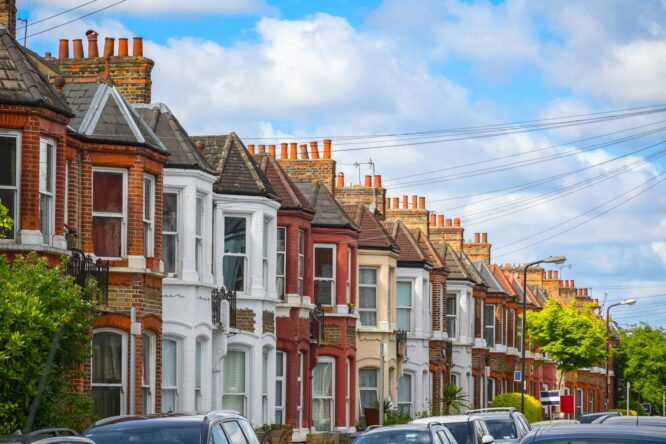
According to new analysis, the most affordable towns for families are heavily concentrated in the North East of England, along with parts of Scotland and Wales. These areas continue to stand out for having much lower house prices compared to the rest of the country, especially when measured against local earnings.
The figures are based on three-bedroom homes, which makes the comparison more realistic for families rather than just first-time buyers looking at smaller flats. Affordability here is judged by how many years of combined income it would take two adults to buy a home, rather than just the headline price.
One town in County Durham tops the list.
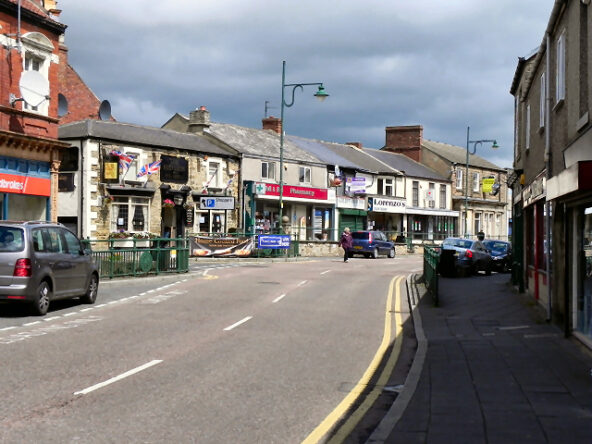
Shildon, near Bishop Auckland in County Durham, comes out as the most affordable town in the UK. The average price for a three-bedroom home sits at around £82,500, which is dramatically lower than what you’d expect in most of the country.
That works out at just 1.36 times the average local earnings, making it one of the easiest places for families to realistically get onto the housing ladder. In simple terms, homes here can be around three times cheaper than even the most affordable areas in the South East.
Wales and Scotland also feature strongly.
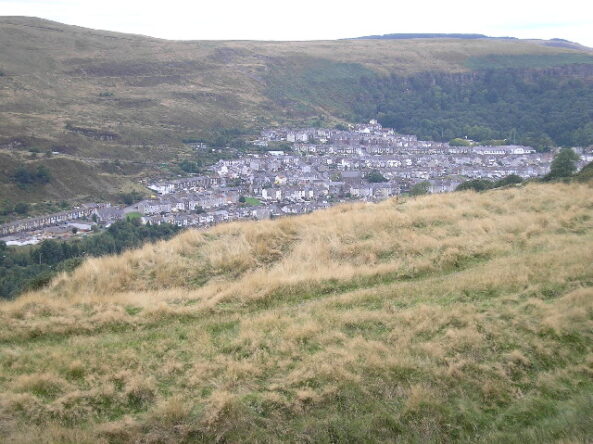
It’s not just the North East leading the way. In Wales, Ferndale in the Rhondda Valley ranks as the most affordable, with average three-bedroom homes costing around £113,000. The price-to-earnings ratio here is still relatively low, making it a viable option for families priced out elsewhere.
In Scotland, Cumnock in East Ayrshire comes out on top. With average home values just above £113,000 and a similarly low affordability ratio, it reflects a wider pattern across smaller towns where property prices haven’t surged in the same way as major cities.
The north-south divide is still very clear.

While there are technically affordable towns across every region, the gap between north and south remains huge. In southern England, even the most affordable areas come with significantly higher price tags and monthly costs.
Dover, for example, is considered one of the more affordable towns in the South East, but still comes with a value-to-earnings ratio of over 4x and average monthly repayments around £1,100. That’s more than triple the lowest figures seen in the North.
Even the “cheaper” southern towns aren’t that cheap.
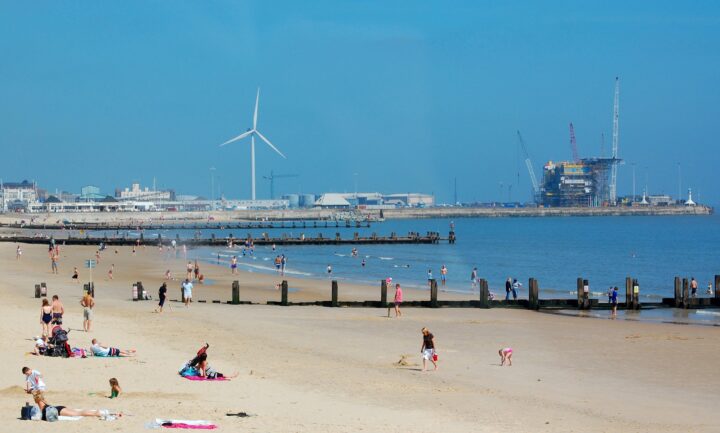
Other southern locations like Lowestoft in the East of England and Cinderford in the South West also rank among the more affordable options in their regions. But even here, affordability ratios sit closer to 3.6x to 3.8x earnings, which is still a big jump compared to northern towns.
That means buyers in the South are often dealing with higher deposits, bigger mortgages, and longer repayment terms, even when they’re choosing what’s considered a lower-cost area locally.
Lower prices often come with trade-offs.

There’s a reason these towns are more affordable, and it usually comes down to location. Many of the cheapest places to buy are further away from major cities, job hubs, and transport links, which can make commuting more difficult or expensive.
In southern England especially, more affordable towns tend to be coastal or more remote, which might work for some buyers but not for everyone. Lower house prices don’t always mean lower overall living costs once travel is factored in.
Buyers are becoming more value-focused.
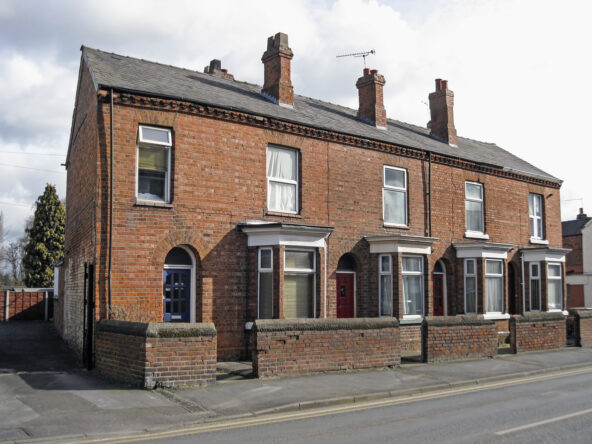
With more homes on the market and ongoing pressure on household finances, buyers are starting to pay closer attention to value for money. It’s no longer just about getting on the ladder, but about making sure the numbers actually work long term.
That’s leading more people to look beyond traditional hotspots and consider areas they might not have thought about before. For some, that could mean relocating further north or exploring smaller towns where their budget stretches much further.
What this means for families in 2026

The headline figure of £325 a month shows that affordable home ownership still exists in the UK, but it’s very location-dependent. For families willing or able to move, there are still opportunities to buy without overstretching financially.
For others tied to jobs or family in more expensive areas, the reality is tougher. The gap between regions isn’t closing anytime soon, which means affordability will likely remain one of the biggest challenges for buyers throughout 2026.