The government has set out a new plan aimed at easing pressure on household bills while trying to protect the UK from future energy shocks.

With global tensions still affecting prices, the focus is on stopping unfair price rises, bringing down costs where possible, and speeding up long-term energy projects, so the country is less exposed going forward. These are some of the measures discussed and announced during Chancellor Rachel Reeves’ cost of living address to Parliament on Tuesday, 24 March.
The government is adopting new powers to crack down on unfair price rises.

One of the biggest parts of the plan is a new anti-profiteering framework, designed to stop businesses from raising prices unfairly during times of disruption. Regulators like the Competition and Markets Authority will be given stronger backing to step in if companies are seen to be taking advantage of the situation.
The government has said it will not hesitate to introduce temporary, targeted powers if needed. The idea is to make sure that essential goods and services don’t suddenly jump in price just because companies think they can get away with it during a difficult period.
Plans to bring down food prices are being explored.

Ministers are also looking at reducing certain import tariffs on food, which could help bring prices down at the checkout. The focus is expected to be on everyday items where families would notice the difference most. Nothing has been confirmed yet, but it shows there’s clear pressure to deal with food costs in a more direct way. If these changes go ahead, they could help ease some of the strain people feel during their weekly shop.
We’re making faster progress on nuclear energy projects.
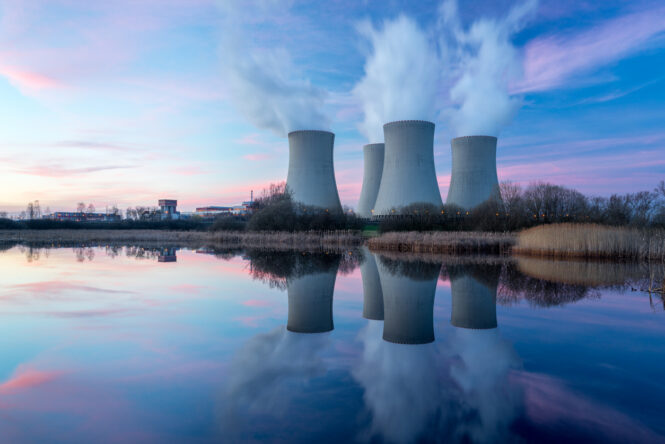
The government wants to speed up new nuclear energy projects by cutting back on delays and simplifying the approval process. New legislation is expected to remove some of the barriers that have slowed progress in the past. The aim is to have these changes in place by the end of 2027, which would allow more UK-based energy to come online sooner and reduce reliance on imported gas, which is often more volatile in price.
There will be extra support to keep major projects moving.

There are also plans to introduce government-backed guarantees for key infrastructure projects, especially those that risk being delayed by legal challenges or planning disputes. This is about making sure important energy developments don’t stall for years. Keeping projects moving is seen as a practical way to improve long-term energy stability and avoid future supply issues.
There will also be more focus on protecting consumers during uncertainty.
The Chancellor is set to meet with regulators, supermarkets, and banks to discuss how they can help support households during this period. There is a clear push to make sure markets are working fairly and that consumers are not being squeezed unnecessarily. This includes closer monitoring of how prices are set and how businesses respond to changing conditions. The government wants to make it clear that rising costs should reflect genuine pressures, not opportunistic behaviour.
Energy bills support remains in place for now.

Energy bills are currently capped until the end of June, helping to limit how much households pay in the short term. This continues to offer some protection while longer-term solutions are put in place. Additional support is also being directed at more vulnerable households, recognising that rising energy costs hit some people harder than others, especially those relying on alternative heating methods.
Fuel costs and heating support are still part of the plan.
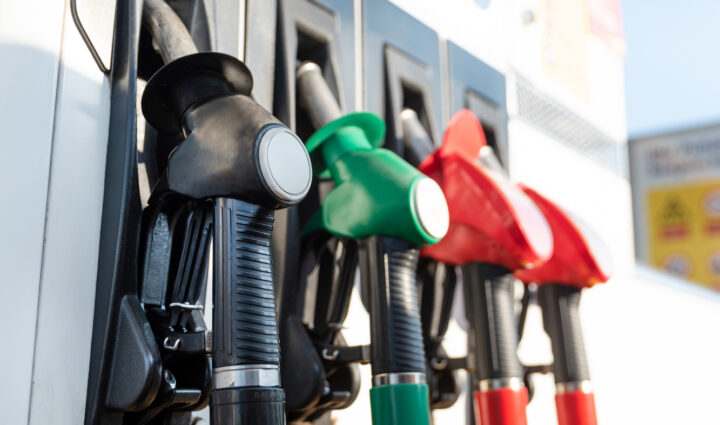
The existing 5p fuel duty cut has been extended, which helps keep petrol and diesel prices slightly lower than they otherwise would be. Tools like fuel price finders are also being promoted to help drivers locate cheaper options. There has also been targeted financial support for households that rely on heating oil, which can be more expensive and less stable than standard energy supply in some parts of the country.
A more cautious approach to government spending.

Alongside support measures, there is a clear focus on keeping public finances stable. The government wants to avoid large-scale spending that could push up borrowing, inflation, or interest rates. This reflects lessons from previous support schemes, where broad payments ended up benefiting higher-income households as well as those who needed help most. The aim now is to be more targeted and controlled.
Regulators are already increasing oversight.
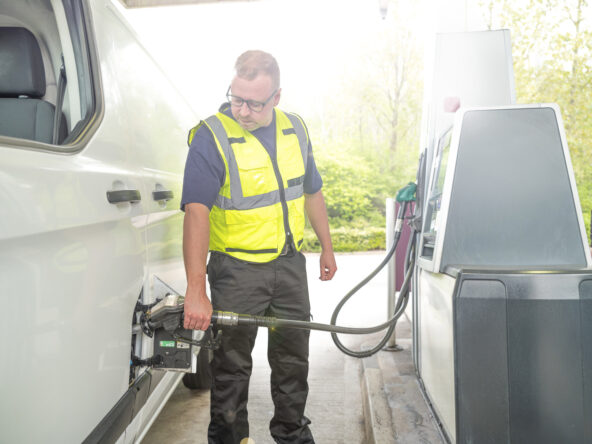
The Competition and Markets Authority is stepping up its monitoring of petrol and diesel prices, as well as looking into concerns around heating oil costs. This is part of a wider effort to keep key markets under closer watch. If signs of unfair pricing or consumer harm are found, enforcement action could follow. This sends a clear message that businesses are expected to operate fairly, especially during periods of economic pressure.
The wider aim is long-term stability, not just short-term fixes.

While some of the measures are designed to ease immediate pressure, much of the plan is focused on building a more stable and independent energy system for the future. The long-term goal is to reduce reliance on global markets where prices can change quickly and unpredictably, giving households more protection from sudden spikes in essential costs over time.
The plan is shaped by global uncertainty.

The government has made it clear that ongoing global conflicts are playing a role in rising costs, particularly when it comes to energy and supply chains. These external pressures are one of the main reasons for the new measures. By putting these plans in place now, the aim is to prepare for further uncertainty and reduce the risk of sudden shocks having a major impact on UK households and businesses.
More changes could follow depending on how things develop.
Many of the measures outlined are part of a broader approach rather than a final solution. The government has indicated it will continue to review the situation and adjust its response if needed. That means additional steps could be introduced if prices rise further or if current measures don’t have the expected impact, keeping the response flexible as conditions change.
For a full rundown of everything Reeves announced on Tuesday, read the release on the GOV.UK website.