Pretty much all of us have done a clear-out, filled a bag, and dropped it off at a charity shop thinking we’ve done a good thing.
And to be fair, a lot of those donations do go on to raise money for great causes. That being said, behind the scenes, workers say there’s a surprising amount of stuff that simply can’t be sold, and some of it ends up creating more work than help. From hygiene risks to strict safety rules, there are clear reasons why certain items never make it onto the shop floor. And according to people who’ve worked in charity retail for years, the same mistakes come up again and again.
There’s one simple rule most workers wish people would follow before donating.
After years in the sector, one charity consultant summed it up in the most straightforward way possible. If you wouldn’t give it to a friend, or buy it yourself in a shop, it probably shouldn’t be donated. It sounds obvious, but it’s where most problems start. People often treat charity shops as a place to offload things they don’t want anymore, rather than thinking about whether someone else would actually pay money for it.
Dirty or damaged clothes are one of the biggest issues.
Clothes are one of the most common donations, but they’re also one of the biggest sources of waste when they’re not in good condition. Items that are stained, heavily worn, or damaged usually can’t be put out for sale. Staff often end up sorting through bags where a large chunk isn’t usable, which slows everything down. In many cases, those items have to be recycled or thrown away, which adds extra cost and effort for the shop.
Single shoes might seem like no big deal, but they’re basically useless.
It might not feel like a major problem to throw in one stray shoe, but charity workers say these come up more often than you’d think. The problem is simple, there’s no realistic way to sell them. Even if the shoe is in good condition, it has no value on its own. It ends up being another item that has to be sorted, stored, and eventually discarded, which takes time away from handling usable donations.
Underwear and nightwear raise obvious hygiene concerns.
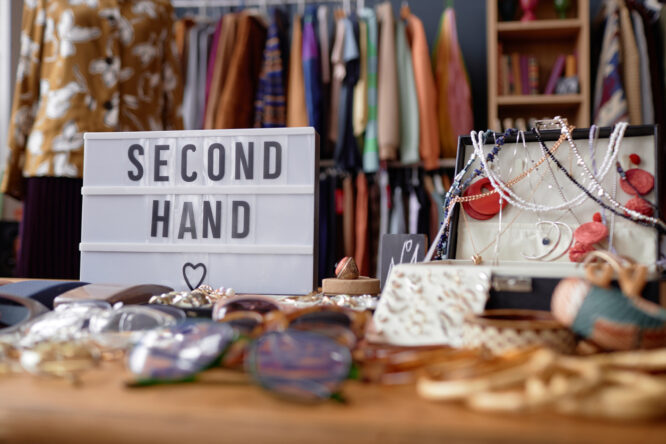
Some donations fall into a category that shops just can’t deal with for basic hygiene reasons. Used underwear, including knickers and heavily worn nightwear, is one of the clearest examples. Even if it looks clean, there’s no realistic resale market for it. Shops have to protect both staff and customers, so these items are automatically rejected or removed before they ever reach the shop floor.
Used makeup and beauty products are a common but unsellable donation.
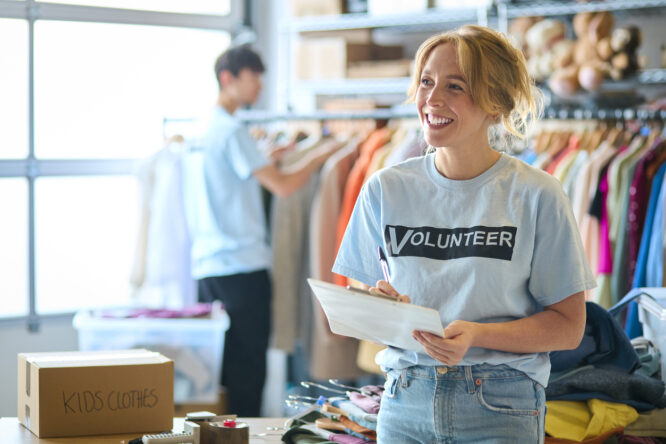
One charity shop worker who shares her experiences online showed just how much used makeup gets donated. We’re talking opened palettes, used brushes, lip products, and half-finished items that clearly can’t be reused safely. From a hygiene point of view, there’s no way to sell these. The only beauty items that are usually accepted are brand new, sealed products that haven’t been opened or used at all.
Car seats are completely off-limits because of safety risks.
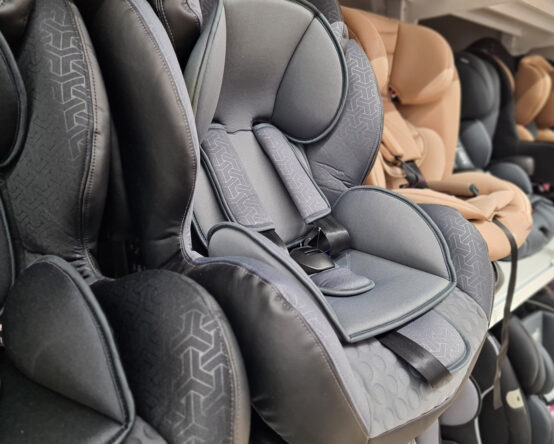
This one catches people out, especially parents trying to pass things on. Car seats and booster seats might look perfectly fine, but charity shops won’t sell them under any circumstances. The reason is safety. There’s no way to guarantee whether a seat has been in an accident or damaged in a way that isn’t visible. Because of that risk, they’re considered unsafe to resell.
Other children’s safety items are also usually rejected.
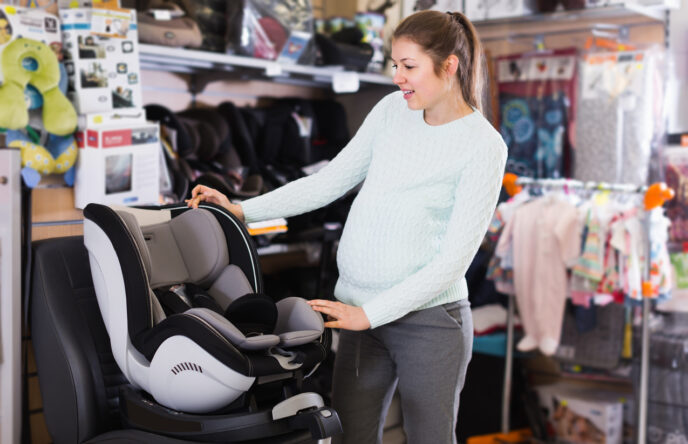
It’s not just car seats, either. Items like high chairs, safety gates, and playpens are often turned away for similar reasons. Even if they appear in good condition, shops can’t take the risk. Safety standards change over time, and without full history or certification, there’s no way to confirm whether these items meet current requirements. That puts both the shop and the buyer at risk.
Furniture has to meet strict fire safety rules.
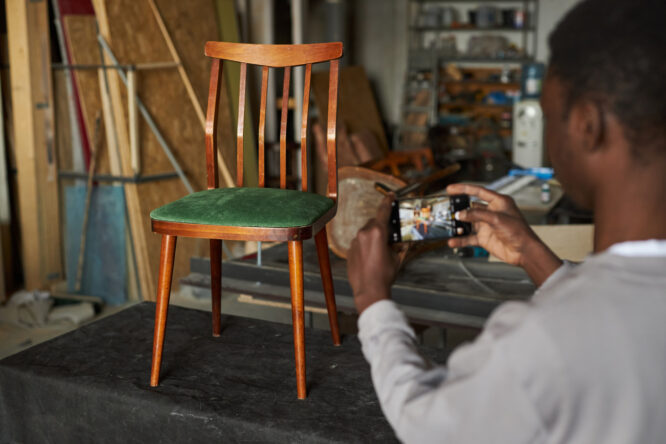
Furniture might seem like a great donation, especially if it’s still usable, but there are legal rules involved. Items like sofas and upholstered chairs must have proper fire safety labels attached. If those labels are missing, even if the furniture looks fine, it can’t be sold. Shops don’t have any flexibility on this, so those items are usually rejected straight away.
Nightwear also needs the correct safety labelling.
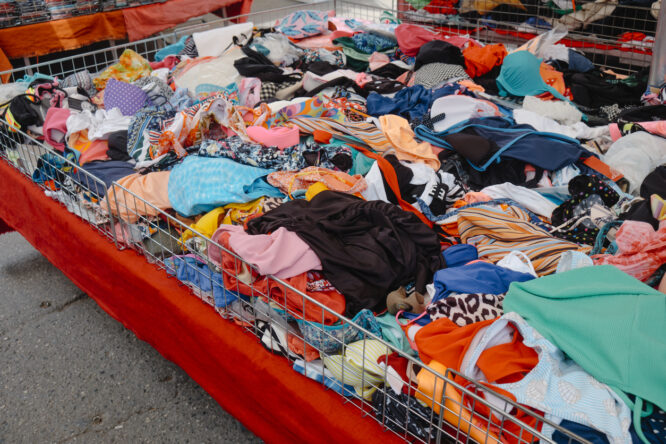
It’s not just furniture that comes with fire safety rules. Nightwear, especially for children, needs to have clear labels showing it meets safety standards. Without that, shops won’t risk putting it out for sale. It’s another example of how regulations, not just condition, decide what can and can’t be accepted.
Old school uniforms can sit unsold for ages.
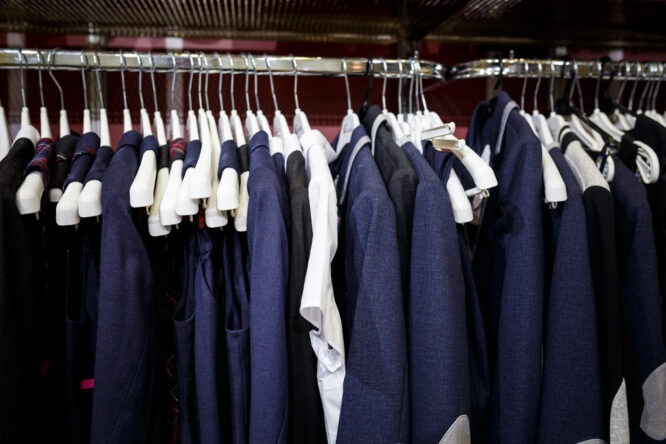
Some items aren’t banned outright, but they’re still difficult to sell. School uniforms are a good example, especially ones linked to specific schools or outdated designs. They tend to hang around for a long time without buyers, which takes up valuable space. Because of that, many shops are selective about whether they accept them at all.
Some children’s clothing is banned if it doesn’t meet safety standards.
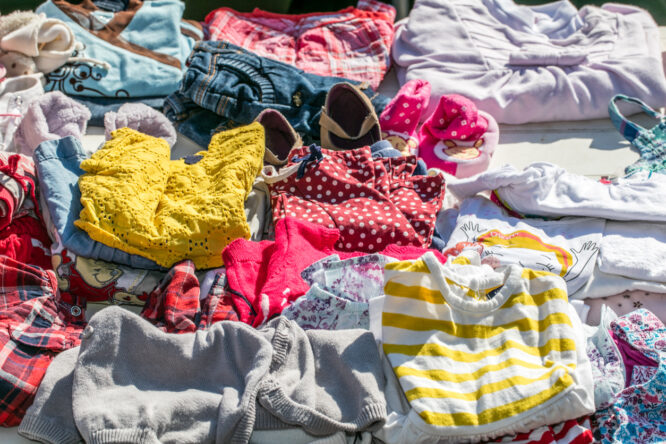
There are also specific rules around children’s clothing. Items with certain features, like drawstring hoods, are often not allowed because of safety concerns. These regulations are strict, and shops have to follow them. Even if the item looks perfectly fine, it can still be rejected if it doesn’t meet those standards.
Soft toys need proper safety labels to be sold.
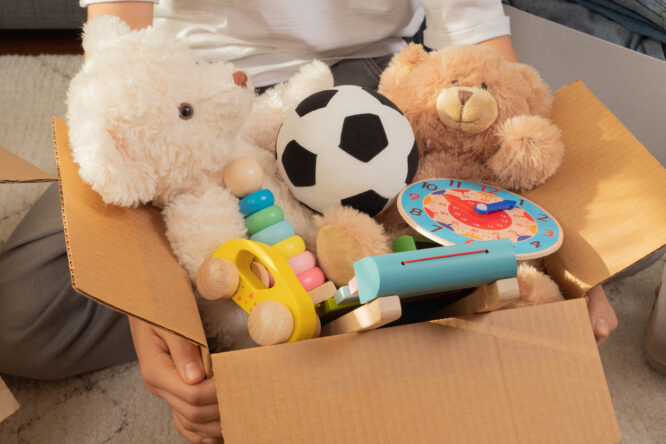
Toys are another category where rules matter. Soft toys need to have recognised safety labels, such as CE or UKCA markings, to show they meet required standards. If those labels are missing, the toy can’t be sold, even if it’s clean and in good condition. Again, it comes down to safety and compliance rather than appearance.
Homemade clothing often can’t be accepted.
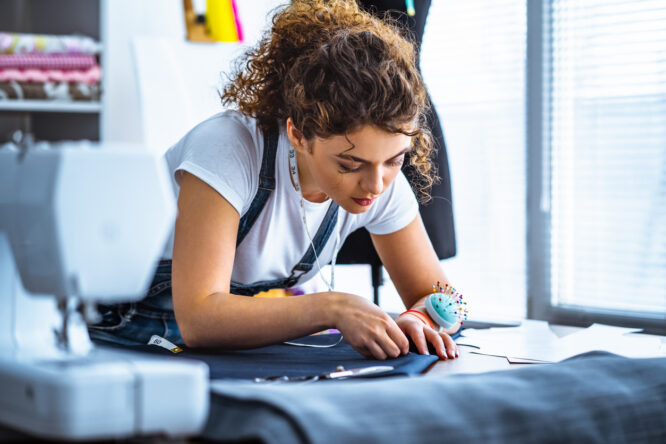
Handmade items might feel thoughtful, but they can be tricky for shops to deal with. Without proper labelling or certification, there’s no way to confirm they meet safety requirements. That uncertainty means many shops will turn them away, even if they’ve clearly taken time and effort to make. It’s another case where rules override good intentions.
Charity shops aren’t a dumping ground, even if it feels convenient.
One of the biggest frustrations for workers is when donations clearly come from a clear-out with no thought about whether the items are usable. Bags often contain a mix of good items and things that should have been thrown away. Sorting through that takes time and resources, and it can slow down the whole operation. What feels like a quick drop-off for one person can turn into extra work for volunteers and staff.
Better donations make a real difference to how much money shops can raise.
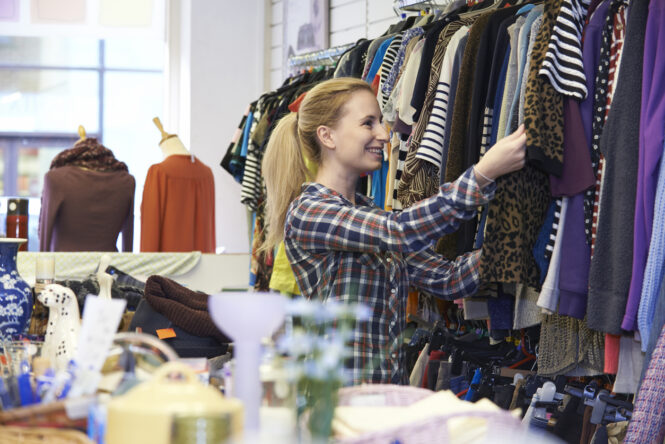
When donations are clean, usable, and in good condition, they go straight onto the shop floor and help raise money quickly. That’s where charity shops really work at their best. Taking a moment to check what you’re giving before you donate can make a bigger impact than people realise. It helps shops run more smoothly and ensures your donation actually ends up helping, rather than creating more work behind the scenes.