There’s something magical about watching a single diya, a small clay lamp filled with oil, flicker to life in the darkness.
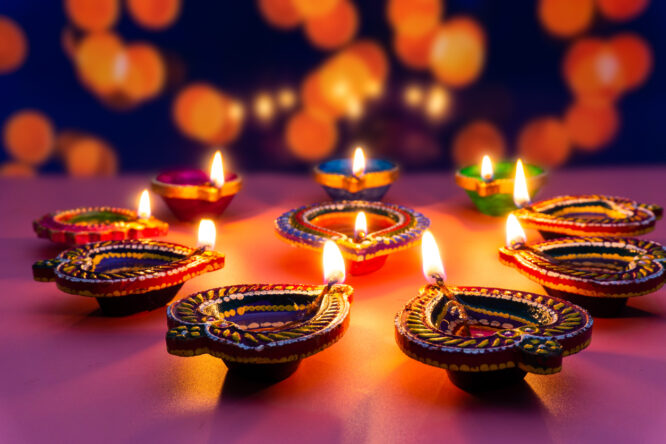
Now imagine millions of them, glowing across entire cities, turning the night sky amber and gold. This is Diwali, the Festival of Lights, and it’s one of the most significant celebrations in the Hindu calendar. However, like all truly meaningful traditions, it’s about so much more than just the spectacle.
If you’ve ever wondered why this holiday exists, what it means to those who celebrate it, and why it adds so much richness and beauty to our culture, you’re in luck.
It’s the festival that lights up the world.
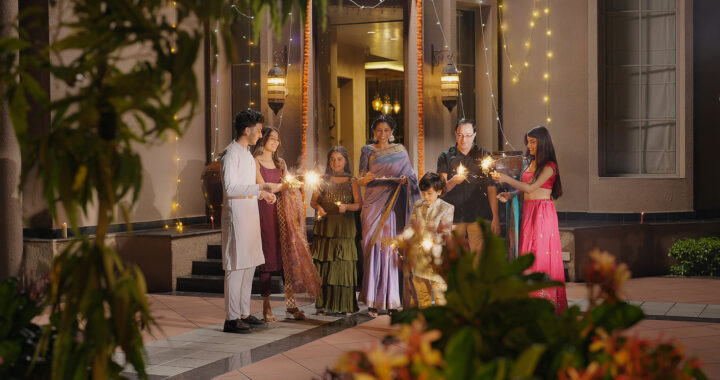
Diwali, also known as Deepavali, typically falls between October and November, depending on the lunar calendar. The celebration lasts five days, though the main festivities centre around the third day, which is the darkest night of the Hindu month of Kartik. On this night, millions of people across India and around the world light diyas, candles, and fairy lights, transforming their homes, streets, and temples into scenes that feel almost otherworldly.
The name itself tells you everything you need to know about its essence. “Deepavali” comes from the Sanskrit words “deepa” (light) and “avali” (row), or quite literally a row of lights. However, these aren’t just decorations. Each flame represents something profound: the victory of light over darkness, knowledge over ignorance, and good over evil.
There are stories that span centuries.
Ask ten different people why Diwali is celebrated, and you might hear several different stories, and they’d all be right. That’s the beautiful thing about this festival. It weaves together multiple narratives from Hindu mythology, each adding its own layer of meaning.
The most widely known story comes from the ancient epic, the Ramayana. It tells of Lord Rama’s return to his kingdom of Ayodhya after fourteen years in exile and his victory over the demon king Ravana. The people of Ayodhya were so overjoyed that they lit thousands of lamps to welcome him home and illuminate his path. Even today, those lights symbolise the celebration of Rama’s homecoming and the triumph of righteousness.
In other parts of India, Diwali celebrates different but equally significant events. In Bengal, the festival honours Goddess Kali, the fierce protector and destroyer of evil. In Gujarat and many business communities, it marks the worship of Goddess Lakshmi, the deity of wealth and prosperity. Some celebrate it as the day Lord Krishna defeated the demon Narakasura, freeing thousands from his tyranny.
What’s striking is that despite these varying narratives, the underlying message remains consistent: good ultimately prevails, and light will always find its way through the darkness.
It’s more than just lights, of course.
While the diyas are the most visible symbol of Diwali, the festival encompasses so much more. In the days leading up to the main celebration, families engage in a thorough spring cleaning of their homes. It’s not just about tidiness; it’s a symbolic act of clearing out the old to make way for the new, sweeping away negative energy and inviting positive change.
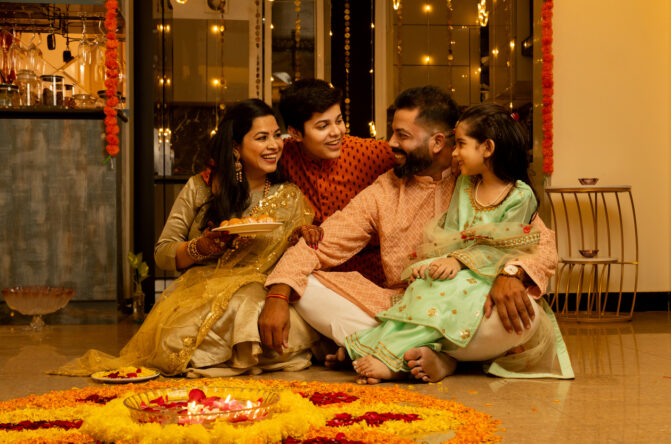
Homes are then decorated with rangoli, which are intricate, colourful patterns created on floors using coloured powder, rice, or flower petals. These geometric designs aren’t merely decorative; they’re believed to welcome Goddess Lakshmi and bring good fortune to the household. Creating them has become an art form in itself, with some designs taking hours to complete.
Shopping is another integral part of Diwali preparations. Markets buzz with activity as people buy new clothes, often in vibrant colours, and gold jewellery. There’s a belief that purchasing gold or silver during Diwali brings prosperity throughout the year. For many, wearing new clothes on Diwali night is non-negotiable. It represents a fresh start and the shedding of the past.
Diwali is a celebration of togetherness.
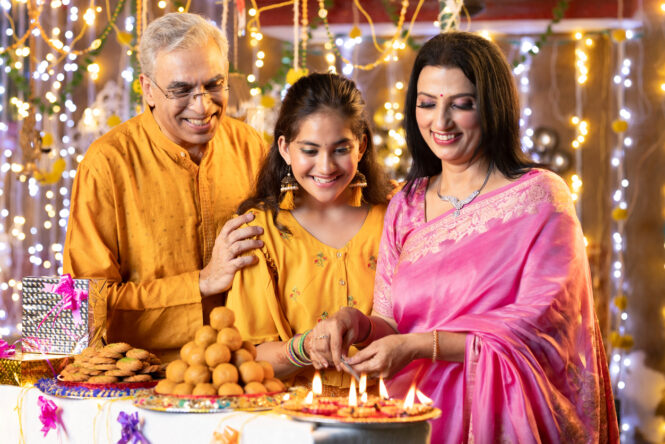
Perhaps what makes Diwali most special is how it brings people together. Families who might be scattered across different cities or even countries make the effort to reunite. It’s similar to Christmas in Western cultures, a time when being with loved ones takes priority over everything else.
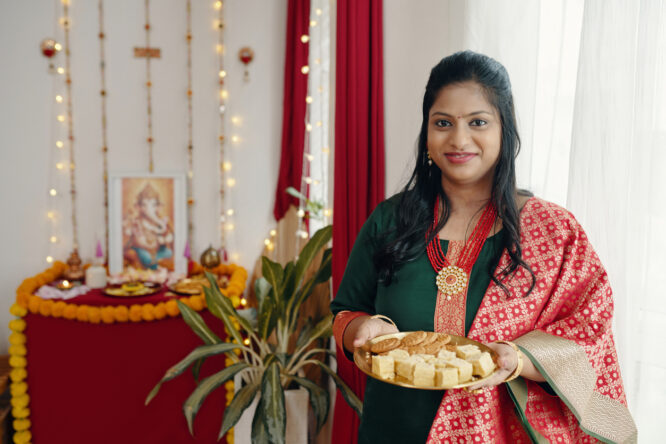
The festival is a feast for the senses, quite literally. Kitchens overflow with the preparation of traditional sweets and savoury snacks. Favourites include ladoos (sweet balls made from flour, sugar, and ghee), barfi (a milk-based fudge), and crispy, deep-fried treats. These aren’t just for the family, either. Plates of sweets are exchanged between friends, neighbours, and colleagues as tokens of goodwill.
Gift-giving is central to Diwali celebrations. While sweets are traditional, people also exchange everything from clothes to electronics to hampers filled with dry fruits and treats. For children, Diwali means new clothes, gifts, and the excitement of staying up late to light sparklers and watch fireworks illuminate the sky.
The spiritual heart of the celebration can’t be overlooked.
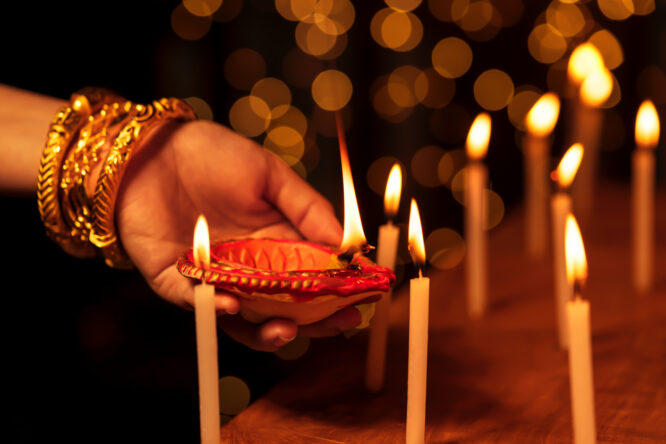
Beneath all the festivities lies a deeply spiritual dimension. Diwali is considered an auspicious time for new beginnings. Many people perform Lakshmi Puja, a prayer ritual dedicated to the goddess of wealth and prosperity, on the main night of Diwali. Families gather, usually in the evening, to offer prayers, sing devotional songs, and seek blessings for the year ahead.
For business owners and traders, Diwali holds particular significance. Many close their old account books and start new ones on this day, seeking the goddess’s blessings for prosperity in their ventures. This tradition reflects the belief that Diwali is the ideal time for fresh starts and new ventures.
The festival also carries a message of inner transformation. The lights we kindle outside our homes are meant to reflect the light we should cultivate within ourselves: the light of wisdom, compassion, and self-awareness. It’s a reminder to examine our own lives, let go of negativity, and move forward with hope and positivity.
Modern celebrations are different and can pose challenges.
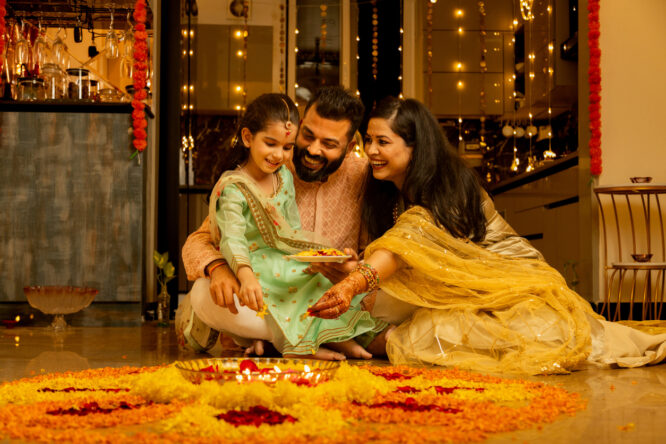
Like many ancient traditions, Diwali has evolved with the times while retaining its core essence. In recent years, there’s been growing awareness about the environmental impact of firecrackers, which have long been a part of celebrations. Many families now opt for quieter, eco-friendly celebrations, choosing to focus on lights and togetherness rather than loud explosions that pollute the air and disturb animals.
Diwali has also become increasingly global. In countries with significant Indian diaspora, from the UK to the US, Canada to Australia, Diwali celebrations have become community events. Major cities now host public Diwali festivals, complete with cultural performances, food stalls, and spectacular light displays. It’s not uncommon to see iconic landmarks lit up in honour of the festival.
Diwali is important, even to those who don’t celebrate it personally.
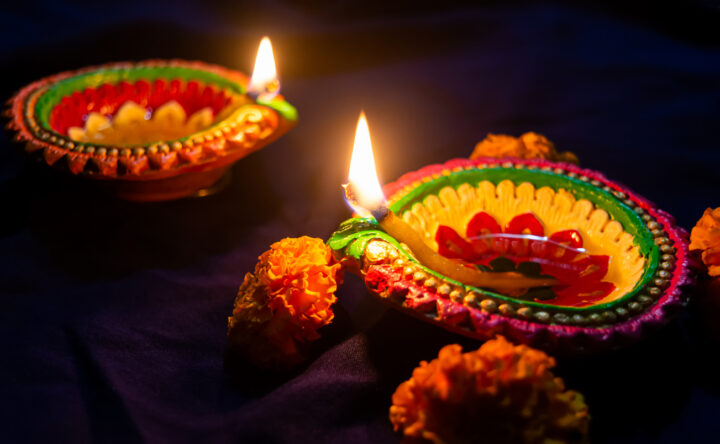
In our increasingly complex world, Diwali’s message feels more relevant than ever. It’s a festival that reminds us that no matter how dark things might seem, light will always find a way. It encourages us to overcome our own inner darkness: our fears, our prejudices, our doubts, and to approach life with hope and positivity.
It’s about connection to our families, to our communities, to our heritage, and to something larger than ourselves. It’s about gratitude for what we have and hope for what’s to come. It’s about the simple yet profound act of lighting a lamp and knowing that millions of others are doing the same, creating a collective glow that pushes back against the darkness.
When you see those rows of flickering diyas on Diwali night, you’re not just witnessing a beautiful tradition. You’re seeing centuries of faith, hope, and human resilience made visible. You’re seeing people affirming, year after year, their belief that goodness will prevail, that knowledge will triumph over ignorance, and that even the smallest light can make a difference in the darkness.
That’s what Diwali is. And that’s why, for millions of people around the world, it will always be worth celebrating.