Growing up in a religious household inevitably informs how you see everything in life, from relationships and guilt to what counts as “good” or “bad.”

Even years after leaving that environment, the beliefs you were raised with don’t just vanish. They linger in subtle ways, colouring how you think, feel, and behave, sometimes without you even realising it. What once felt like moral truth can turn into a constant second-guessing of your instincts, even over things most people would consider harmless.
For many people, this creates tension of a sort. You might intellectually know there’s nothing wrong with your choices, but a familiar sense of unease creeps in anyway. It’s the leftover voice of all those lessons about sin, purity, or obedience that became hardwired over the years. Letting go of that internal rulebook isn’t easy, especially when your body and mind still react as if you’re doing something wrong. However, understanding where those feelings come from, and realising they don’t define you anymore, is the first step toward real freedom.
1. Saying no without guilt

If you were raised to put other people first, saying no might still feel selfish. You may hear an inner voice telling you that you’re letting people down or acting unkind, even when you’re just protecting your own energy. Learning that boundaries aren’t rejection takes time. Once you understand that self-respect isn’t a sin, saying no starts to feel more like balance than rebellion.
2. Putting yourself before everybody else

Many religious teachings praise self-sacrifice, so choosing your own needs can feel uncomfortable. You might see it as pride when it’s actually self-awareness. Putting yourself first doesn’t mean you’ve stopped caring about other people. It means you’ve started caring about your own wellbeing too. That shift can feel wrong at first, but it’s one of the healthiest signs you’re starting to trust yourself more than guilt.
3. Questioning authority

When you grow up being told that certain people know better than you, questioning them feels dangerous. Even asking harmless questions can trigger anxiety, as if curiosity itself is a kind of disobedience. As time goes on, you learn that authority isn’t always truth. Asking why isn’t rebellion, it’s growth. The more you practise it, the more natural it feels to think for yourself.
4. Talking about sex openly

Many people raised in strict faiths grow up seeing sex as something shameful or dangerous. Even harmless conversations about attraction can leave you blushing or looking over your shoulder. It takes time to unlearn that discomfort. Talking about sex isn’t disrespectful or dirty. It’s part of being human, and it becomes easier when you stop linking it with guilt.
5. Making choices without “divine” approval

When you’ve spent years praying before every decision, trusting your own judgement can feel reckless. You might hesitate, waiting for a sign or feeling uneasy about choosing without permission. However, listening to yourself is part of growing up. You don’t need spiritual confirmation for every step. The more you trust your instincts, the stronger that sense of guidance becomes.
6. Enjoying pleasure without shame

Simple things like dancing, having a drink, or laughing too loud can trigger guilt if you were taught pleasure is dangerous. You might catch yourself feeling judged even when no one’s watching. That fear fades once you realise joy isn’t sinful. Life is meant to be lived, not endured. Feeling good doesn’t mean you’ve gone astray; it means you’ve started living freely.
7. Admitting anger or frustration
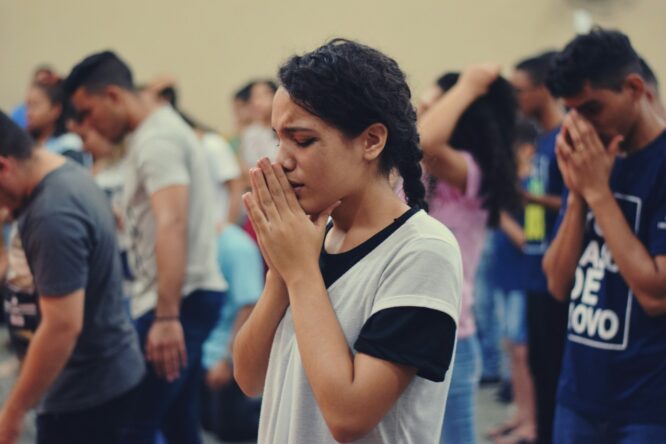
Many religious homes treat anger as a moral flaw. You might have been told to stay calm, forgive instantly, or never raise your voice. Now, when real anger shows up, it feels wrong even though it’s normal. Anger isn’t a failure of faith. It’s an emotion that signals something isn’t right. Letting yourself feel it doesn’t make you unkind, it makes you honest.
8. Trusting your body’s signals

If you were taught to ignore desire, hunger, or exhaustion, your own body might feel suspicious to you. You learned that instincts were temptations rather than information, which makes it hard to listen when your body speaks. Reconnecting takes patience. Those signals aren’t moral tests; they’re messages meant to help you care for yourself. Trusting them is part of learning to be at home in your own skin again.
9. Disagreeing with people openly

In religious spaces, harmony often means silence. You might have learned to nod along or stay quiet instead of risking conflict. Now, expressing disagreement can make you feel rude even when you’re being respectful. Disagreement isn’t disloyalty, though. It’s how people grow and find truth together. Once you realise that, standing your ground stops feeling like defiance and starts feeling like honesty.
10. Changing your beliefs

When you’re raised in one set of ideas, changing your mind feels like betrayal. You might worry that questioning your beliefs means you’ve lost your values completely. The thing is, growth always involves rethinking. Changing your beliefs doesn’t erase your morals. It just means you’re strong enough to choose them for yourself, rather than inheriting them untested.
11. Enjoying quiet instead of prayer

Stillness used to mean prayer time, not peace. Sitting quietly without directing thoughts toward something higher can leave you feeling uneasy, like you’ve forgotten to do something important. As time goes on, you learn that silence doesn’t need purpose. It can be rest, not ritual. Quiet becomes a place to exist, not perform devotion.
12. Spending money on yourself

If you were raised to give and sacrifice, treating yourself can bring guilt. Buying something nice might feel indulgent, as though comfort is something you have to earn. That feeling fades once you realise generosity includes you too. Taking care of yourself doesn’t cancel your compassion; it gives you more to offer when you choose to share.
13. Accepting imperfection
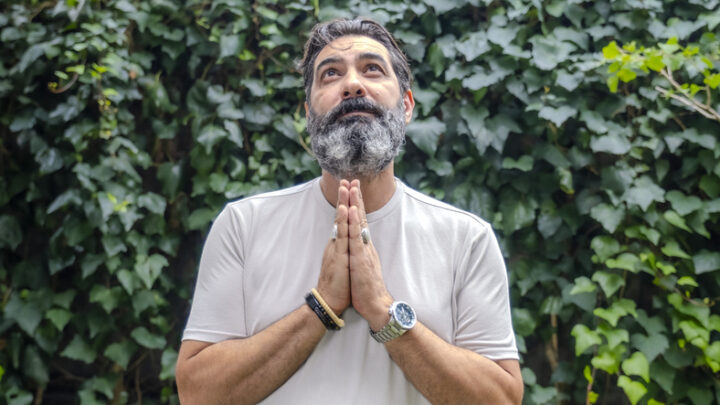
Religious life often comes with an impossible goal of purity or goodness. When you stop chasing perfection, part of you might still believe you’re failing. That mindset takes years to untangle. Letting yourself be human is one of the biggest acts of freedom. You’re allowed to make mistakes, to change, and to start again. You were never meant to be flawless, just real.
14. Talking about mental health
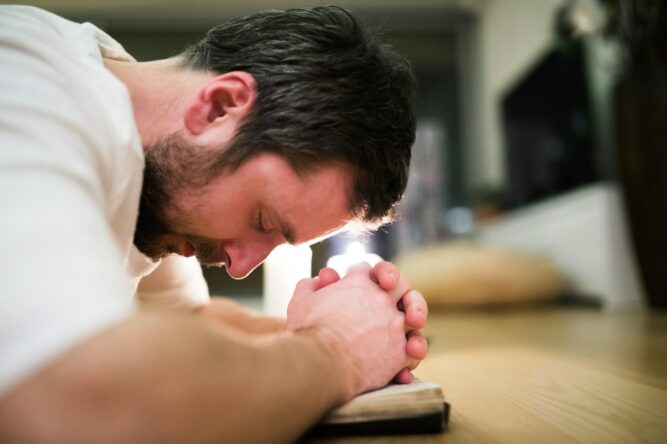
Many religious environments treat sadness or anxiety as spiritual weakness. You may have been told to pray harder instead of asking for help. Now, therapy or medication might feel like giving up rather than taking control. In truth, caring for your mind is no different from caring for your body. Healing doesn’t mean you’ve lost faith; it means you’ve chosen to live better within the world you have.
15. Letting people see the real you

If you grew up hiding your doubts or differences, authenticity can feel risky. You might fear rejection or shame, even when you’re finally safe to be yourself. Learning to be open takes courage, but it’s worth it. Once you stop performing goodness and start living honestly, you find peace that no belief system could ever promise.