We all like to think we’re rock solid in a crisis, but research suggests that people of faith tend to be the best at it.

If you think about it, it makes sense. When the going gets tough, religious people often seem oddly calm, or at least less freaked out than everyone else. It’s not because they’re tougher or smarter. Instead, it tends to be down to certain habits and beliefs that make the tough stuff in life a bit easier to navigate. Luckily for the atheists among us, you don’t need faith to learn from them.
1. They lean on community support.

Religious people usually have a built-in network through their church, mosque, temple, or group. When stress hits, they’re not left alone. Sharing worries with other people who care makes it easier to cope with tough times.
If you’re feeling isolated, try looking for support in places that already bring people together. Local clubs, volunteering groups, or even online communities can give you the same sense of belonging. Having people around really lightens the load.
2. They pray or meditate regularly.

Prayer or meditation is a common daily practice in most religions. It gives people a chance to pause, breathe, and step away from constant noise. That small daily break helps keep stress from building up too much.
You don’t need to be religious to benefit from a quiet practice. Try taking ten minutes a day to sit in silence, breathe deeply, or focus on calming thoughts. It clears your head and helps stress feel less overwhelming.
3. They trust something bigger than themselves.

Believing there’s a bigger plan makes everyday problems feel lighter. Instead of feeling the whole world rests on their shoulders, religious people can hand some of the weight over to their faith, which helps reduce pressure.
If you’re not religious, you can still remind yourself that not everything is under your control. Accepting that some things will work out on their own helps you stop carrying more than you realistically can handle.
4. They follow comforting routines.

Religion often comes with rituals like weekly services, daily prayers, or seasonal celebrations. These routines provide structure, and structure creates calm when life feels chaotic. It’s a reliable anchor in the middle of uncertainty.
You can create your own routine to get the same benefit. A regular morning walk, journalling, or even bedtime rituals can give you a sense of order. Having small habits to lean on helps ease stress day by day.
5. They share gratitude openly.
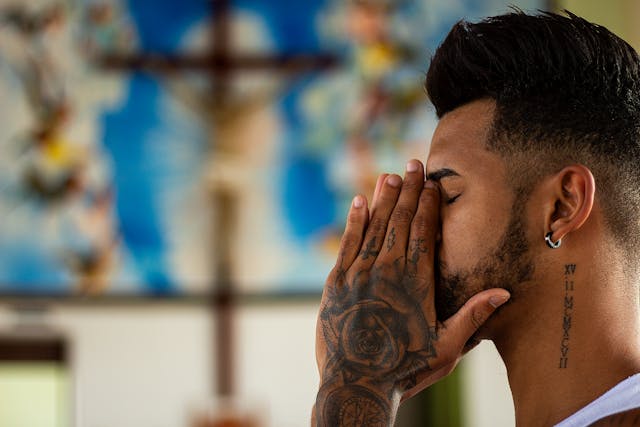
Many faiths encourage thanking God or expressing gratitude regularly. Focusing on what’s good rather than what’s missing pulls your attention away from stress. It’s hard to stay stuck in worry when you’re actively noticing small blessings.
Even without religion, you can practise gratitude by writing down three good things each day. They don’t have to be big; even a good meal or a chat with a friend counts. Over time, it makes stress feel less dominant.
6. They use music and rituals to calm down.

Hymns, chants, and rituals are part of religious life, and they’re naturally soothing. Singing together or repeating familiar words calms the body and brings a sense of peace, which makes stress easier to manage.
You can use music or calming routines in the same way. Listening to songs that relax you or repeating affirmations creates a rhythm that steadies your mind. Stress feels less sharp when you’ve got comforting habits to fall back on.
7. They find meaning in suffering.

Religious teachings often frame suffering as part of growth or part of a larger journey. Seeing pain as meaningful helps people cope better because it feels less like pointless hardship and more like something that will eventually pass.
If you’re struggling, try giving your stress a purpose. Think about what you’re learning from it or how it might shape you in the long run. Framing challenges this way makes them easier to survive without breaking down.
8. They forgive and let go quicker.

Many religions encourage forgiveness, which stops anger from piling up. Carrying grudges adds to stress, and religious people often find relief by letting things go sooner, even when it isn’t easy to do.
You don’t need faith to benefit from forgiveness. Letting go of resentment clears space in your mind and body. Start small by releasing minor annoyances first, and you’ll notice how much lighter you feel when stress doesn’t cling to you.
9. They believe life has purpose.

Having a sense of purpose makes stress easier to handle. Religious people often feel their life is part of a bigger plan, which helps them stay grounded even when problems pile up. Purpose gives direction during hard times.
If you’re not religious, you can still build purpose around values. Maybe it’s family, creativity, or helping other people. When you know what you stand for, stress feels less like endless noise and more like part of a bigger picture.
10. They talk openly about struggles.

In religious spaces, people often share burdens through prayer requests, confessions, or group support. Being able to say “I’m struggling” without shame makes stress less lonely because other people step in to listen and comfort.
You can do the same by opening up to a friend or writing your worries down. Keeping stress locked inside makes it heavier, while talking about it helps lighten the weight and gives you perspective you wouldn’t find alone.
11. They celebrate rest.

Most religions have a day of rest, whether it’s Sunday, Friday, or Saturday. This time is treated as sacred, which means people are encouraged to slow down without guilt. Having rest built in stops stress from becoming constant.
Even without religion, you can protect rest like it’s non-negotiable. Switch off your phone, take a break from work, or block out time just for yourself. Treating rest as essential instead of optional gives your body and mind space to recover.
12. They keep hope alive.
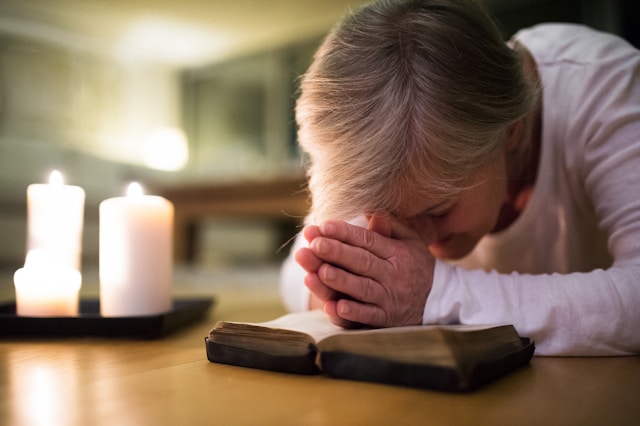
Faith often centres around hope, and the belief that tomorrow can be better than today. That outlook makes it easier to hold on during stressful times because you’re looking forward instead of staying trapped in despair.
You can practise hope by setting small goals, planning enjoyable things, or simply reminding yourself that bad times don’t last forever. Keeping hope alive, even in small ways, makes stress less suffocating and gives you something brighter to reach for.