Explaining family estrangement to your kids is never easy.

You want to be honest without dragging them into adult messiness. You also want to protect their innocence without pretending everything’s fine. Somewhere in the middle, you want to show them what it looks like to set boundaries, as well, even when it’s painful. Here are some ways to help your children understand why you’ve cut ties with family, without putting them in the middle or overloading them with more than they need.
1. Keep it age-appropriate, but don’t sugar-coat everything.

You don’t need to give every gritty detail, but kids can often handle more than we think. Instead of pretending everything’s okay, stick to simple truth. Say things like, “We’re not in contact with them right now because our relationship wasn’t healthy.” Clear, but gentle.
Trying to cover things up completely can actually create more confusion. Kids sense tension, even if they don’t understand it. Offering a calm explanation, just enough for their age, helps them feel more grounded, not left in the dark.
2. Be honest about your feelings without making it their burden.

It’s okay to let your kids see that this has been hard for you. Saying something like, “This has made me sad, but I also know it was the right choice for our family,” shows strength and self-awareness. It models emotional honesty without pulling them into your pain. When you own your emotions without asking your kids to fix or carry them, you teach them that it’s normal to feel things deeply, and that making tough decisions can still be healthy, even if they come with grief.
3. Make sure they know it’s not their fault.
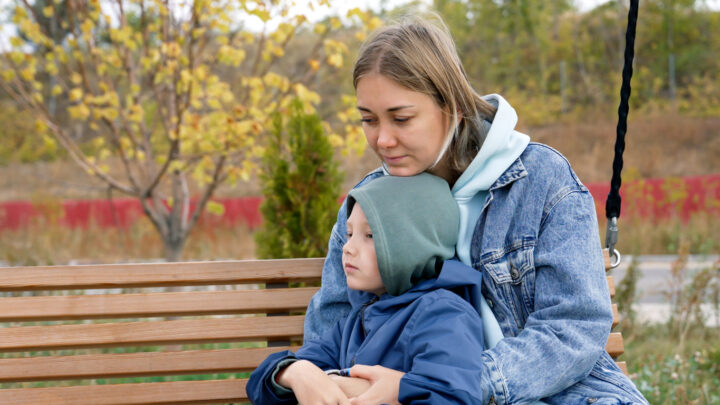
When big changes happen in a family, kids can internalise them. They might wonder if they did something wrong, or if the estranged relatives no longer want them. Be clear: “This is between the adults. You didn’t cause it, and it has nothing to do with you.” Say it more than once, especially if your child is sensitive or anxious. Reassurance goes a long way. They need to know that the decision wasn’t about them, and that their place in your family hasn’t changed.
4. Avoid trash-talking the estranged family members.

Even if those people hurt you deeply, try to stick to the facts. Calling names or venting around your kids can backfire, especially as they grow older and start forming their own opinions. Keep your explanations grounded: “Some people don’t treat other people in kind or respectful ways, and I had to make a choice to protect us.”
This helps your children focus on what’s healthy and unhealthy behaviour, rather than feeling pressured to take sides. You’re still allowed to have boundaries. You just don’t need to drag anyone through the mud to justify them.
5. Let them ask questions (even uncomfortable ones).

Your kids might ask tough things: “Will we ever see them again?” “Do they still love us?” “Why can’t you fix it?” Try not to shut those questions down. You don’t need to have all the answers, but being open shows you’re not hiding from the truth. If you’re not sure what to say, honesty works: “That’s a good question, and I’m still figuring it out too.” Kids feel safer when they know they can ask anything and still be met with calm, even when the answers aren’t perfect.
6. Talk about safety and respect in relationships.

Use this situation to gently explain bigger concepts—how healthy relationships require mutual respect, listening, and care. Let them know that even in families, those things matter. “We have to protect ourselves from people who hurt us, even if they’re related to us.” This helps them understand that love and respect aren’t the same thing, and that being family doesn’t give someone a free pass to treat you badly. That’s a lesson they’ll carry into their own friendships and relationships as they grow.
7. Be ready for waves of emotion, especially around holidays.

Certain times of year might bring up feelings of loss, confusion, or curiosity. Your child might feel left out if they hear classmates talking about big family dinners or grandparents. That doesn’t mean they’re questioning your decision; it just means they’re processing it in their own way.
Make space for those feelings without defensiveness. “It’s okay to miss something you didn’t even fully have. It’s okay to wish things were different.” That level of emotional permission matters more than trying to make everything feel cheerful all the time.
8. Help them understand that healing can include distance.

It’s easy for kids to associate healing with making up, but that’s not always the case. You can say, “Sometimes healing means choosing peace instead of staying in something that keeps hurting you.” It’s a concept that might take time, but it plants an important seed.
They’ll start to understand that healthy choices don’t always look like movie endings, and that leaving isn’t always running away. It can be an act of strength, and one that deserves respect, even if it looks different from what they expected.
9. Offer reassurance that they’re still loved and supported.

If you’ve cut off contact with a grandparent, aunt, or someone who once gave your child affection, they might feel that absence as a personal loss. Be extra intentional about filling that gap with love, support, and consistency. Let them know, “You still have people who love you deeply and want the best for you always.” It’s not about replacing anyone. It’s about reminding your child that they are still fully held in the love that surrounds them now.
10. Watch for signs of internalising or people-pleasing.

Sometimes, kids who’ve witnessed conflict in the family become hyper-aware of keeping everyone happy. They might try to overcompensate, avoid expressing their own needs, or feel anxious about “rocking the boat.” If you notice that happening, talk about it gently. “You don’t have to fix anything. It’s not your job to hold everything together.” Help them see that it’s safe to be real, and that love doesn’t depend on perfection or keeping everyone smiling.
11. Let them know they can have their own feelings, even if they’re different from yours.

Your child might feel sad, conflicted, or even curious about the person you cut ties with. They might not feel the same anger or hurt you do, and that can be tough to navigate. However, it’s okay for them to have their own experience. Let them know: “You’re allowed to feel differently about this than I do. I’ll always be honest with you, and you can always come to me.” That kind of openness creates trust and shows them how to hold complex emotions without shame.
12. Model healthy boundaries in other parts of life.

Your explanation will go further if your actions back it up. Show your kids what boundaries look like in everyday life: saying no kindly, stepping away from toxic dynamics, and choosing peace over constant obligation. They’ll pick up on more than just your words. When they see you living in alignment with your values, and still being kind, loving, and grounded, it reinforces the idea that boundaries aren’t cold or cruel. They’re necessary and normal.
13. Focus on what you do want in your family culture.

Instead of letting the estrangement define everything, use it as a jumping-off point to create something new. Talk to your kids about what kind of family you want to be. “We treat each other with care. We listen when someone says they’re hurt. We don’t punish people for being honest.” Giving your kids a sense of purpose and safety within your household helps them move forward. It becomes less about what’s missing, and more about what you’re building together, which can feel really grounding.
14. Remind them that it’s okay for things to feel complicated.

Estrangement doesn’t always come with neat emotional closure. You can feel sad, relieved, angry, and confused all at once, and so can your child. Normalise that. “It’s okay if this feels strange. I feel that way sometimes too.” Giving your child permission to feel mixed emotions helps them process without shame. And it shows that even in hard situations, emotional honesty is still the safest and healthiest place to land.