Wanting love and being ready for it aren’t always the same thing, unfortunately.

Sometimes we chase relationships because we’re lonely, bored, or craving validation, but that doesn’t mean we’re actually in the right headspace to build something healthy. If love keeps slipping through your fingers or feels more exhausting than fulfilling, it might be worth checking in with where you’re really at. Here are some signs you’re not quite ready for love—yet. It doesn’t mean you never will be, but you’re definitely better off waiting until you are to embark on something new.
You’re still hoping someone else will fix you.

If part of you believes that the right relationship will magically heal your wounds, take away your loneliness, or make everything make sense, you’re setting yourself up for disappointment. Love can support you, but it won’t do the hard work for you. When you place that kind of pressure on another person, things get heavy fast. Real love works best when it’s shared between two whole people—not when one’s secretly hoping the other will rescue them.
You equate love with attention.
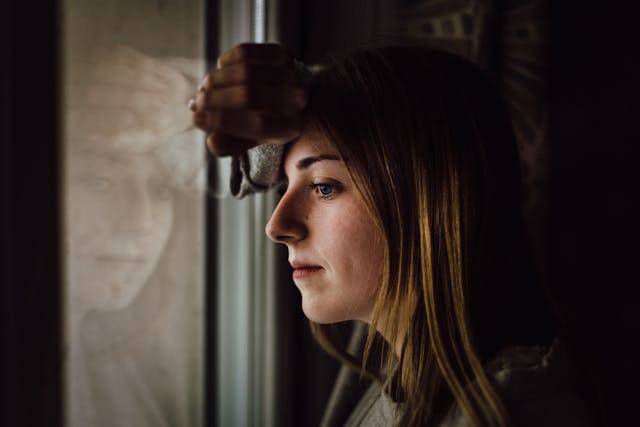
If you light up every time someone shows interest but lose that spark once the novelty wears off, you might be craving validation more than actual connection. That’s totally human, but it’s not the best foundation for something lasting. Wanting to be wanted isn’t the same as wanting someone for who they really are. Until that distinction feels clear, you’ll likely keep getting caught in short-term highs that fizzle fast.
You still carry a lot of anger from past relationships.

If your ex still lives rent-free in your head, or you find yourself constantly comparing new people to old hurt, there’s probably some unprocessed stuff hanging around. That’s okay, but it means there’s more healing to do. Carrying resentment into new love makes it hard to build trust. You’re seeing the present through a lens shaped by the past, which means even the best intentions can get misunderstood or shut down.
You haven’t figured out what you actually want.

It’s easy to say you want love, but what kind? What do you value in a partner? What kind of life are you hoping to build with someone? If you don’t have at least a rough idea, it’s easy to fall into patterns that don’t actually suit you. When you’re not clear, you’re more likely to settle, chase the wrong people, or confuse chemistry for compatibility. A little clarity goes a long way.
You can’t be alone without feeling panicked.

Needing company to feel okay isn’t the same as being open to love. If being alone sends you into a spiral, you might be looking for distraction, not connection. And relationships built from fear of solitude rarely feel good for long. Learning to enjoy your own company isn’t code for becoming a hermit—it’s about making sure you’re not using other people to avoid yourself.
You avoid vulnerability at all costs.
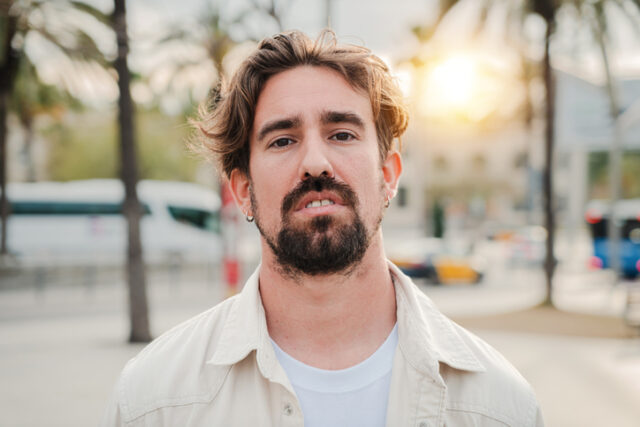
If the thought of opening up makes you instantly want to run, block, or ghost someone, that’s a pretty big clue that love might be a struggle right now. Emotional closeness isn’t optional in a healthy relationship—it’s the whole point. You don’t have to overshare or be perfectly open straight away. However, if you can’t handle even small moments of emotional honesty, things are going to get stuck pretty quickly.
You think love should be easy, or it’s not real.

Somewhere along the way, a lot of us picked up the idea that love should be effortless. That if someone’s “right” for you, everything will just click. However, real love requires communication, compromise, and showing up even when it’s not convenient. If you’re constantly bouncing at the first sign of discomfort or looking for perfection, you might be chasing fantasy instead of something grounded and real.
You keep attracting the same kind of person, and it always ends badly.

If there’s a pattern you can’t seem to break—emotionally unavailable partners, toxic dynamics, instant chemistry followed by chaos—it might be worth asking what part of you keeps repeating that cycle. Sometimes we’re drawn to what feels familiar, not what’s good for us. Until that changes, love will feel more like a loop than a path forward.
You haven’t figured out your own emotional triggers.
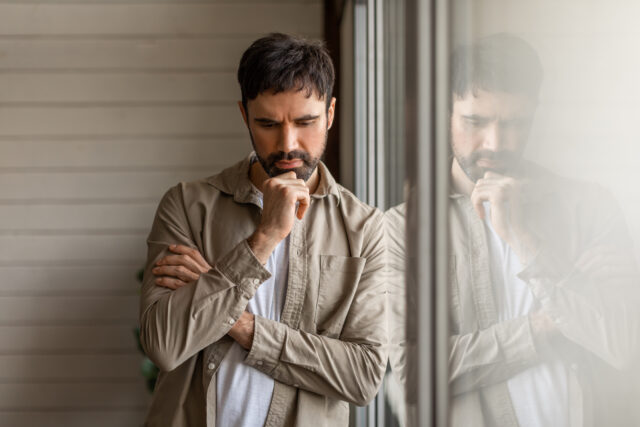
Everyone’s got baggage, but if you’re unaware of what sets you off, you’ll end up reacting in ways that confuse or hurt the people around you. Relationships often poke at our raw spots. Unfortunately, that’s just part of the deal. Being ready for love means having some awareness of your emotional landscape. That way, when something comes up, you don’t shut down or lash out without understanding why.
You still believe someone else should make you happy.

It’s a nice idea—that someone will come along and finally make everything better. Of course, lasting happiness doesn’t come from a partner. It comes from the life you build around and within yourself. If you’re relying on someone else to lift your mood, fix your self-esteem, or give your life meaning, it puts way too much pressure on the relationship, and on them.
You use love to escape your problems.

If you’re hoping a relationship will make your job, friendships, mental health, or self-worth feel better, you’re not looking for love—you’re looking for a life raft. And while support is part of any good relationship, it’s not a replacement for personal work. When love becomes an escape hatch instead of a connection point, it creates imbalance. No partner can carry everything for you, and it’s not fair to ask them to.
You struggle to respect other people’s needs.

Maybe you get frustrated when someone sets a boundary. Maybe you take space personally or feel rejected when a partner focuses on their own goals. That doesn’t mean you’re selfish—it just might mean you’re not used to healthy interdependence. Being ready for love means understanding that two people in a relationship still have separate needs, dreams, and limits, and that’s not a threat, it’s just part of being human.
You’re still holding on to your “ideal partner” checklist.

Having standards is healthy, but if you’re attached to a perfect image—specific look, career, income, interests—you might be closing yourself off to people who could genuinely be great for you. Real love rarely shows up exactly how we expect it to. If you’re too focused on ticking boxes, you might miss the actual connection when it’s right in front of you.
You get defensive the second anything feels uncomfortable.

If your first instinct is to shut down, get sarcastic, or go quiet when someone brings up an issue, it’s going to be tough to build anything deep. Communication is a muscle, and defensiveness is one of the fastest ways to stop using it. That doesn’t mean you have to be perfect, but if every conversation feels like a battle, you might not be in a place where you can handle emotional collaboration yet.
You’re still more focused on being chosen than doing the choosing.

If you’re more worried about whether they like you than whether you actually like them, that’s a sign you’re chasing approval—not building mutual connection. Love should feel like a two-way street, not a one-sided audition. Being ready means knowing your worth and paying attention to how you feel around someone, not just how they feel about you.
You haven’t forgiven yourself for past mistakes.
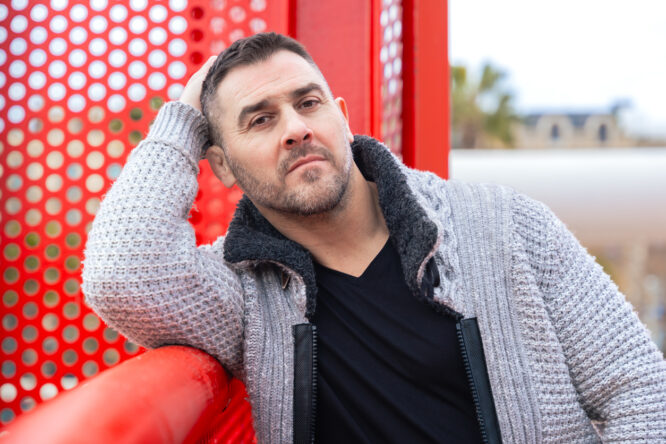
If you’re still carrying shame, guilt, or regret over how you’ve acted in past relationships, that weight can bleed into whatever comes next. You might sabotage good things or assume you don’t deserve them. Part of being ready for love is being able to meet it without dragging yourself through the past. Forgiveness doesn’t erase what happened, but it does create room to try again with clearer eyes and a fuller heart.
Deep down, you don’t really believe love will work out for you.

If part of you has already decided love is impossible, dangerous, or just not meant for you, it’s hard to fully open up when it actually comes. That belief will act like a wall, even if you say you want connection. Being ready for love isn’t about being flawless. It’s about being honest—with yourself and other people. And if love still feels far off, that’s okay too. Sometimes the work you do before the relationship is what makes the relationship finally feel different when it arrives.