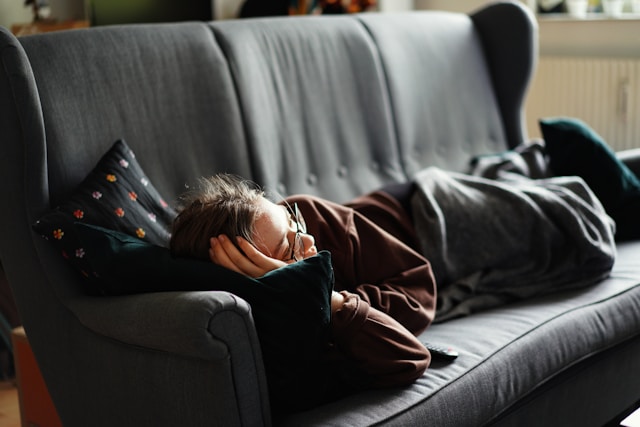
Loneliness doesn’t always look the way people expect it to.

That’s largely because it’s about so much more than being physically alone—it’s also feeling disconnected, unseen, or like you don’t really matter to anyone. And while it’s painful in the moment, the effects of long-term loneliness can quietly take a serious toll on your health, especially as you get older. Here are just some of the ways loneliness and declining health are more connected than most people realise.
It weakens your immune system.
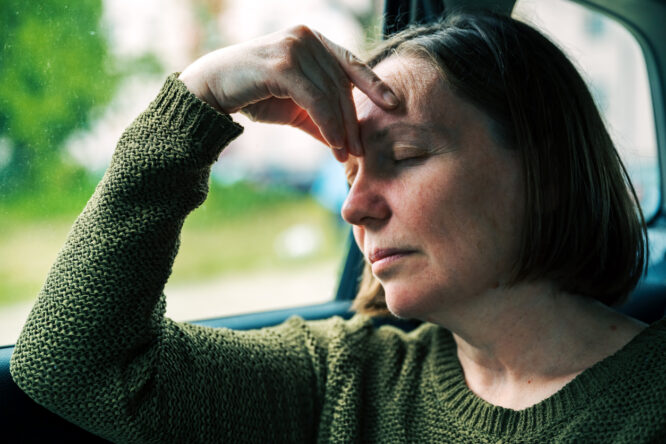
People who feel consistently lonely tend to have higher levels of stress hormones like cortisol, which can suppress the immune system over time. That means your body becomes less efficient at fighting off infections, viruses, and even healing wounds. When your body is in a state of chronic stress due to emotional isolation, it’s not just “in your head”—your cells are actually reacting as though you’re under threat. It’s a quiet, ongoing strain that adds up over the years.
It increases your risk of heart disease.

Loneliness can lead to higher blood pressure, increased heart rate, and inflammation, all of which are risk factors for cardiovascular issues. Studies have found that people who are chronically lonely have a greater chance of developing heart disease later in life. This is different from being introverted or needing alone time—it’s the emotional isolation that stands out in loneliness. Feeling unsupported or invisible long term can leave your heart quite literally under pressure.
It raises the chances of cognitive decline.

When people go long periods without meaningful social interaction, the brain doesn’t get the same kind of stimulation it needs to stay sharp. Over time, this lack of engagement can lead to memory problems, confusion, or even early signs of dementia. Loneliness shrinks the opportunities for conversation, decision-making, and connection—all things that keep the brain active. It’s not just sad; it can be neurologically damaging if left unaddressed.
It can lead to depression or worsen it.
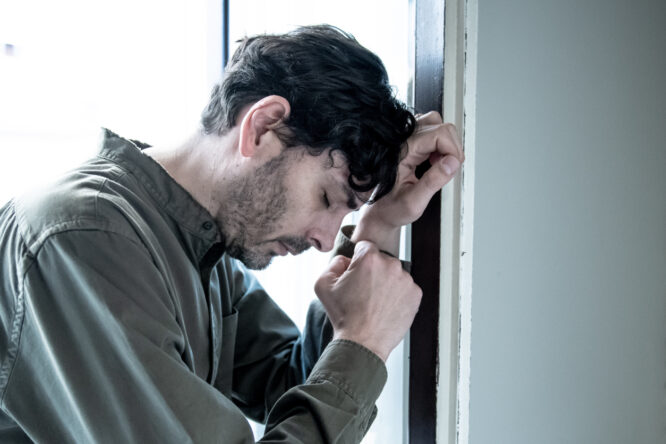
Loneliness and depression feed off each other. When you’re disconnected, you feel low—and when you feel low, it’s harder to reach out or connect, which leads to deeper isolation. It becomes a loop that’s difficult to break. For older adults, especially those dealing with retirement, grief, or limited mobility, that loop can be especially strong. It’s not just sadness. There’s a gradual loss of motivation, interest, and even the will to care for your own well-being.
It affects how well you sleep.

People who feel isolated often have more trouble sleeping. Whether it’s falling asleep, staying asleep, or getting proper rest, loneliness has been linked to lighter, more restless sleep cycles. As time goes on, that poor-quality sleep can lead to fatigue, irritability, memory problems, and physical health issues. Without restorative rest, the body and mind both start running on empty.
It’s linked to higher levels of inflammation.

Chronic loneliness has been found to raise inflammation markers in the body. That means the immune system stays slightly “on edge,” which might sound helpful—but over time, it wears you down. Long-term inflammation is connected to a whole range of issues, from arthritis and diabetes to heart conditions and even cancer. It’s a hidden link, but one that researchers are seeing more clearly with every study.
It can speed up physical ageing.
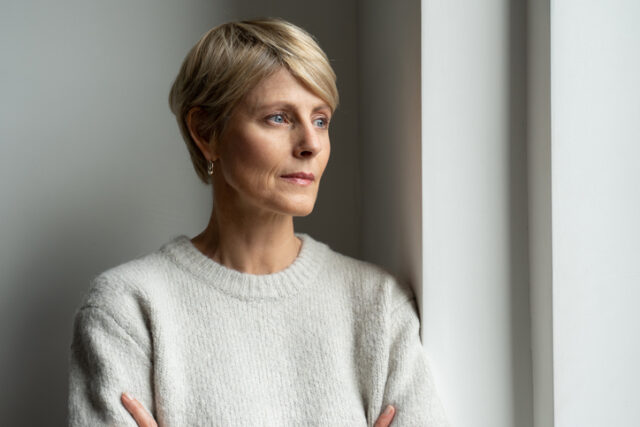
Lonely people often experience more physical health issues earlier than expected. Their energy drops. Their posture worsens. They might start looking older than they actually are, and it’s not just cosmetic. Stress hormones, lack of movement, poor nutrition, and emotional fatigue all play a part. Without connection or a reason to engage in life, the body gradually slows down in a way that mimics accelerated ageing.
It makes you less likely to get medical help.

People who feel isolated are less likely to book check-ups, follow through with medication, or even mention health concerns until they become serious. There’s often a mindset of “What’s the point?” or “No one’s paying attention anyway.” This delay can mean that small, manageable issues go untreated until they become emergencies. Connection helps keep people proactive about their health—without it, there’s less drive to take care of yourself.
It increases your risk of substance use.

To fill the emotional gap or numb uncomfortable feelings, some people turn to alcohol, painkillers, or other substances. Eventually, this becomes more than a coping strategy—it becomes a health risk all its own. Older adults in particular are often overlooked when it comes to substance issues, but loneliness is a strong predictor. It’s not just partying or rebellion—it’s a way of filling a space where connection should be.
It reduces motivation for physical activity.

It’s hard to stay active when you feel like you’re doing it alone. People who are disconnected tend to stop walking regularly, stop exercising, and move less in general. The motivation just isn’t there. Movement keeps your heart, joints, and brain in better shape. However, when someone’s lonely, they’re more likely to withdraw and sit still—which only worsens the physical side of ageing and health decline.
It can cause a drop in self-worth.

When no one checks in or includes you, it can start to feel like you don’t matter. In the long run, that sense of invisibility eats away at your self-esteem and confidence. You start questioning your value, even if you don’t mean to. That mindset can lead to giving up on social efforts, downplaying your needs, or silently tolerating discomfort and sadness. It’s not just a mood—it becomes a lens that shapes how you live every day.
It’s linked to earlier death.

Multiple long-term studies have found that chronic loneliness is linked to a higher risk of early death, on par with smoking or obesity. It might not show up on a medical chart right away, but its long-term impact is just as serious. That’s because loneliness quietly chips away at your physical, mental, and emotional health at once. When all of that is under strain, the body simply doesn’t hold up the way it should.
It can strain your ability to recover from illness.

People who feel supported tend to bounce back faster from surgeries, infections, or illnesses. However, those who are isolated often take longer to heal, or struggle to recover fully. The body needs encouragement as much as medicine. Loneliness can slow recovery by making you less motivated, less hopeful, and less likely to follow through on care routines. It’s not just the body doing the work—your mindset plays a big role too.
It limits your lifespan of joy, not just years.
The biggest cost of loneliness isn’t always physical. It’s the quiet shrinking of your world. The meals eaten in silence, the lack of shared laughter, the feeling that no one really sees you. That absence takes up space where joy should be. Health isn’t just about survival—it’s about quality of life. Without connection, even the healthiest body starts to feel hollow. Human beings are wired to belong. When that need goes unmet for too long, the rest of the system suffers.