You don’t have to be anti-religion to have questions about it—that’s just human nature.

Plenty of non-believers grew up in religious households, studied it at school, or spent years trying to make it make sense, only to walk away with more confusion than clarity. It’s not always about being difficult or disrespectful. Sometimes, it’s just honest curiosity about things that don’t seem to add up. Here are 20 questions non-believers often wish they could ask religious people without starting an argument.
1. Why does God need constant praise?

If God is all-powerful and all-knowing, why does He seem to need people singing to Him, talking to Him, and constantly telling Him how great He is? For non-believers, it can feel more like insecurity than divinity. This is one of the hardest concepts to grasp from the outside—especially when human egos are usually what demand constant recognition. Why would a perfect being want the same?
2. Why is there so much disagreement between religions if they’re all “truth”?
Different religions often claim their path is the only true one, but they all tell very different stories. How can they all be right? And if God wants people to follow Him, why make it so easy to get confused? To non-believers, this feels less like divine mystery and more like cultural influence. Where you’re born seems to shape your faith more than divine revelation ever does—and that raises questions about fairness.
3. Why is suffering so extreme and so random?
The idea that everything happens for a reason can be deeply frustrating when you’re watching innocent people suffer. Illness, war, disasters—why would a loving God allow that? Especially when the people affected are often the most vulnerable. It doesn’t sit well with a lot of people that someone could be praying faithfully their whole life, only to be hit with tragedy while someone else thrives with no belief at all. Where’s the justice in that?
4. Why is doubt treated like a moral failure?

For many religious communities, questioning your faith is seen as weakness, rebellion, or even sin. But doubt is a normal human response to big, complicated ideas. Shouldn’t asking questions be part of looking for the truth? Non-believers often feel like they’re written off as “lost” or arrogant just for being curious. That attitude can make religion feel more like control than exploration.
5. Why does religion get involved in politics so often?

If religion is about personal faith and spiritual growth, why does it so often show up in laws, courtrooms, and election campaigns? Shouldn’t it be separate from how a country is run? It makes a lot of non-religious people feel like they’re being forced to live under someone else’s beliefs, especially when it comes to issues like reproductive rights, marriage, or education.
6. Why are some sins treated as worse than others?
In a lot of religious spaces, certain “sins” get dragged way more than others. Being gay, for example, is still treated as more shocking than lying, gossiping, or being cruel. But aren’t all sins meant to be equal in the eyes of God? To a non-believer, it often feels like the rules are being used selectively to judge people, rather than to actually guide moral behaviour. It feels less about principle and more about control.
7. Why does faith get more credit than effort?
There’s often this idea that if you believe in God, you’re somehow morally superior. But what about people who work hard to be kind, ethical, and generous without believing in anything? Does that goodness count for less? It can feel unfair that someone who hurts people but “repents” is seen as more righteous than someone who lives with compassion and accountability without any religious belief at all.
8. Why does religion often shame sexuality?

Sex is a natural part of life, and yet in many religions, it’s wrapped in shame—especially for women. Non-believers often struggle to understand why something so normal is treated like something dirty or dangerous. From purity culture to harsh rules around modesty, the messaging often feels like it creates more confusion and repression than respect. Why should something so personal be so heavily policed?
9. Why are women still treated as second-class in so many faiths?

Many religions still restrict women from leadership, treat wives as submissive, or tie a woman’s value to her purity. And while some progress is being made, the imbalance is still obvious in many communities. To outsiders, it’s hard to reconcile a loving God with teachings that seem to favour men so heavily. Why would divinity be gendered in the first place?
10. Why do miracles seem so inconsistent?
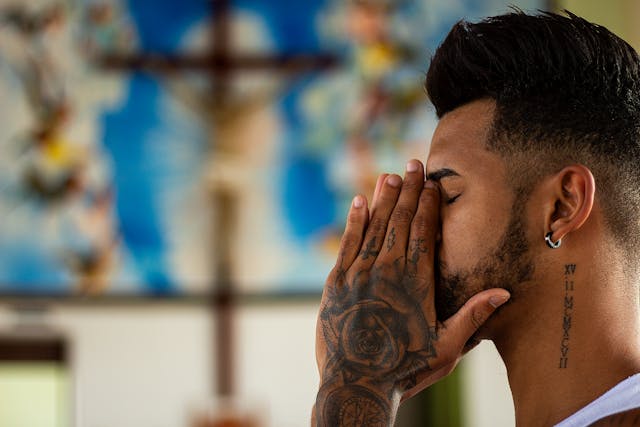
Some people say they’ve seen miracles—healing, divine signs, or last-minute breakthroughs. But for others, their prayers go unanswered, no matter how devoted they are. Why do some people get miracles and others get silence? To non-believers, it can seem random or even unfair. If God can help one person find their keys, why doesn’t He step in during genocide or famine? The scale of intervention doesn’t always make sense.
11. Why is questioning religion often seen as disrespectful?
Even a gentle, sincere question can be taken as an attack. Non-believers often feel like they’re walking on eggshells when talking to religious friends or family—because curiosity gets read as mockery. This makes it hard to have honest conversations. If belief is strong, why should it be so fragile when someone asks a question? Doubt isn’t disrespect—it’s part of thinking.
12. Why are so many religious institutions caught up in scandal?
From abuse cover-ups to financial fraud, some of the most publicised religious stories in recent years have been about corruption. If these places are meant to represent God, why do they look so human and messy? Non-believers often wonder why people keep defending institutions that clearly protect power over people. Isn’t the moral high ground supposed to come with some actual accountability?
13. Why do bad people sometimes get glorified just for being religious?
There are public figures who treat people terribly but get praise just because they talk about God or go to church. Meanwhile, decent people who live with kindness get overlooked if they don’t identify as religious. This can make religion feel performative. Like saying the right words matters more than living with real integrity. Shouldn’t actions speak louder than faith statements?
14. Why does religion sometimes avoid hard science?
Topics like evolution, climate change, or the age of the universe often create tension in religious spaces. Some believers outright reject scientific consensus in favour of scripture—even when the evidence is overwhelming. To non-believers, this resistance feels like wilful ignorance. Science doesn’t cancel out meaning or mystery—it just gives us tools to understand the world. Why treat knowledge like a threat?
15. Why is eternal punishment even on the table?

The idea of hell—eternal suffering for not believing in the right thing—feels extreme to many non-believers. Why would a loving God choose infinite punishment for a finite life, especially when so many people just never hear the “right” version of the faith? It raises more questions than it answers. How can justice and mercy live side by side with something as brutal as eternal torment?
16. Why does religion often preach humility but reward ego?
Teachings often stress humility, but in practice, some of the most celebrated religious leaders live in luxury or behave like they’re above criticism. The gap between the message and the reality is hard to ignore. It feels hypocritical when the people calling for modesty are flying in private jets or silencing anyone who disagrees. Where’s the accountability in that?
17. Why are doubts blamed on “lack of faith” instead of treated as valid?
When someone expresses uncertainty, they’re often told to pray harder or trust more—rather than given space to unpack what they’re struggling with. But doubt doesn’t always come from rebellion. It often comes from paying attention. Non-believers don’t see doubt as failure—they see it as a sign that someone’s thinking critically. Dismissing it as weakness just shuts down conversations that could lead to real understanding.
18. Why do religious beliefs often override personal rights?

In debates about healthcare, bodily autonomy, or marriage, religion often takes centre stage—even when not everyone shares the same beliefs. Why should one group’s faith dictate what other people can or can’t do with their own lives? To non-believers, this feels like an overreach. Believe what you want—but where does it say your belief gets to control someone else’s body, marriage, or decisions?
19. Why do some religious people assume non-believers are immoral?

There’s a lingering belief that without God, people will just do whatever they want. But most non-believers still have values, empathy, and strong moral compasses—they just don’t link them to religion. It’s frustrating to be seen as lost, selfish, or broken simply because you live by different principles. Morality doesn’t require religion—it just requires being human.
20. Why does it feel like some believers want everyone else to be afraid?
Fear is a common thread in a lot of religious messages—fear of sin, punishment, the end times, or eternal separation. But is fear really the best way to inspire faith or connection? To non-believers, the heavy use of fear can feel manipulative. If something is truly good and real, shouldn’t it invite people in with love, not scare them into submission?