You don’t need to tick off a bucket list of fancy achievements to be cultured.

In reality, it’s all about broadening your horizons, appreciating and embracing diversity, and immersing yourself in all the richly beautiful things and experiences life has to offer. If you can say you’ve done these, chances are, you’re a step ahead of most people in the culture department — and good for you.
1. You’ve explored a city without a plan.
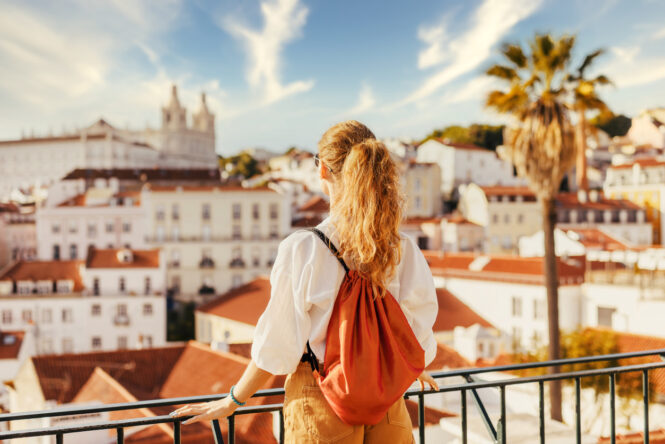
Wandering through a completely new city without a rigid itinerary or a list of tourist traps can lead to discovering its genuine, beating heart. When you ditch the guidebook and just let your feet do the walking, you open yourself up to finding the hidden spots that locals actually use.
From stumbling into a tucked-away café down a quiet side street to finding a street performer who completely takes your breath away, it’s a much more authentic way to absorb the local vibe. That sort of raw exploration teaches you to embrace spontaneity and soak in the actual soul of a place, rather than just viewing it through a camera lens.
2. You’ve tried food that scared you.
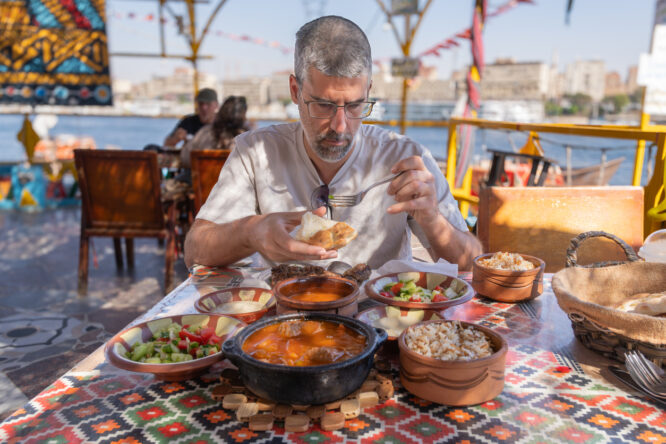
Sampling a dish that you’d normally shy away from—whether it’s escargot in France, jellyfish in Asia, or a local delicacy with a texture that makes you nervous—shows a genuine willingness to step right out of your comfort zone. It really helps you understand and appreciate the cultural significance and history behind the food on your plate.
When you approach a foreign menu with an open mind rather than disgust, you expand your culinary horizons. You might even discover a brand-new favourite, or at the very least, you’ll walk away with a brilliant story to tell.
3. You’ve learned a few phrases in another language.
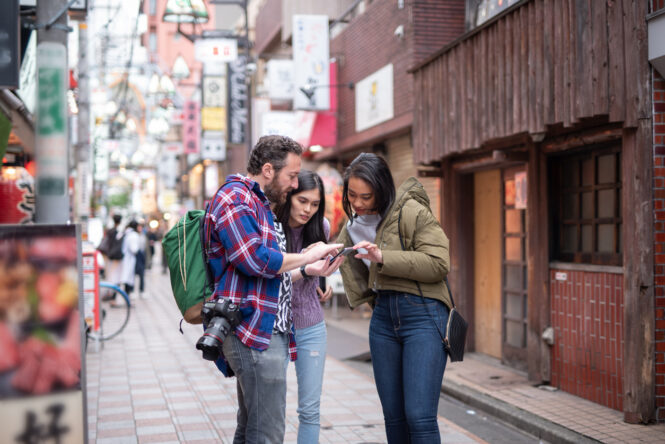
Even if you’re nowhere near fluent, making a conscious effort to learn and use a few basic phrases in another language opens up social doors that would otherwise stay firmly shut. Taking the time to master a simple “thank you,” “please,” or “hello” in the local tongue shows a massive amount of respect for the people whose country you’re visiting.
It’s a small, thoughtful gesture that breaks down barriers, sparks a genuine smile from a stranger, and encourages a real human connection. It proves you’re not just a passive tourist expecting the world to cater to you, making your encounters infinitely richer.
4. You’ve attended a local festival abroad.

Whether it’s a massive Carnival celebration, a small town’s harvest festival, or a traditional religious holiday procession, immersing yourself directly in local celebrations gives you a front-row seat to a culture’s deep-rooted traditions and collective joy.
Throwing yourself into the middle of the crowd lets you experience how communities come together to express their identity through music, dance, and food. These vibrant moments are completely unforgettable and teach you to appreciate the beauty of shared human experiences, showing you how people celebrate life on the other side of the world.
5. You’ve appreciated art without needing to understand it.

Standing in front of a complex painting, an abstract sculpture, or a piece of modern architecture and feeling a genuine emotional response—without having a clue about its official backstory or the artist’s intentions—shows a real, unpretentious connection with art. You don’t need a degree in art history to let a creative piece stir something inside you.
You don’t need to overanalyse every brush stroke or memorise dates. The focus should be on letting the work speak directly to you in its own unique way. True cultural appreciation means recognising that art is meant to be felt, not just studied and picked apart.
6. You’ve navigated public transport in a foreign country.
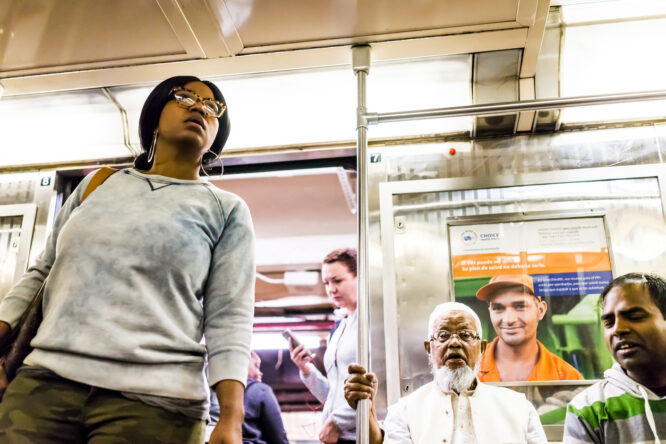
Mastering a complex, chaotic subway map or figuring out an unfamiliar bus route in a busy foreign city might seem incredibly daunting at first, but it’s a vital rite of passage for any real traveller. Skipping the insulated comfort of a taxi and jumping onto a crowded train forces you to see exactly how the locals live, work, and move through their daily routines.
It gives you a literal, ground-level view of the city’s mechanics and infrastructure. Plus, the sheer rush of confidence and accomplishment you get when you successfully reach your destination without getting hopelessly lost is completely unbeatable.
7. You’ve been moved by live music.

Whether you’re listening to a massive opera performance in a historic European theatre or sitting on a wooden stool watching a lone street musician pour their heart out on a street corner, live music has a unique power to connect us on a primal level. It’s much more than just hearing a catchy tune; it’s about feeling the raw passion, energy, and history driving the performance.
When you let a musical performance completely captivate you, you’re tapping into a universal language that transcends borders. These distinct sonic moments stay locked in your memory long after the final note fades away.
8. You’ve got lost and loved it.

Getting lost in an unfamiliar place can be frustrating if you’re on a tight schedule, but learning to lean into the disorientation is a fantastic way to stumble upon the completely unexpected. When you take a wrong turn and lose your bearings, you’re far more likely to find a beautiful hidden courtyard, a tiny independent bookshop, or end up chatting with a friendly local who can give you a brilliant insider tip you’d never find online.
It teaches you to abandon control, embrace the unpredictable nature of travel, and turn a stressful detour into a memorable adventure.
9. You’ve visited a historic site and imagined life in that era.

Walking slowly through ancient ruins, exploring a crumbling fortress, or stepping inside a centuries-old home allows you to effectively time-travel in your own mind. Instead of just looking at the old stones as static historical facts, a cultured mind starts to imagine the real people who once cooked, slept, argued, and lived within those walls.
It’s a deeply humbling reminder of the vast human stories that came long before us, and a lesson in how past events actively shape our modern world. Having that historical perspective adds a massive amount of depth to your overall worldview.
10. You’ve been part of a conversation where you listened more than you spoke.
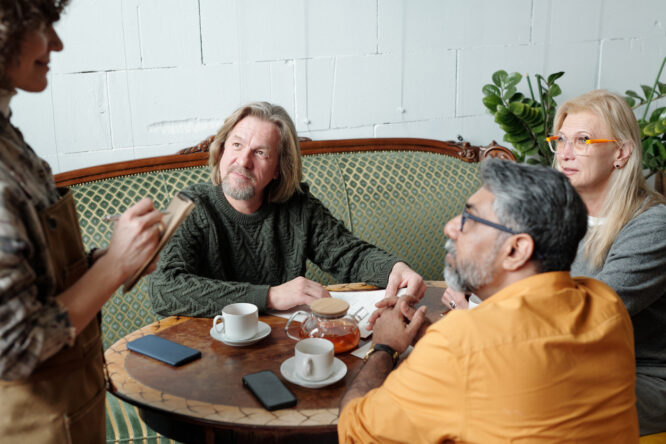
Sitting down with someone who holds a completely different perspective, background, or lifestyle and truly listening to their experiences can be an eye-opening exercise. You’re not trying to win a debate, offer unsolicited advice, or match their stories with your own experiences. Instead, you’re absorbing their narrative and allowing it to expand your personal boundaries of understanding.
Showing that level of conversational humility and genuine curiosity leaves a lasting impact on your character, helping you see the world through a much wider lens.
11. You’ve seen a traditional performance.
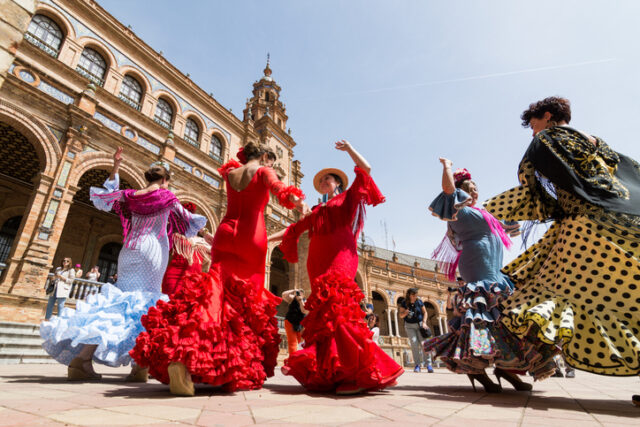
Whether it’s watching an intense flamenco show in a dimly lit Spanish cave, experiencing a traditional theatrical performance, or listening to local folk musicians pass down ancient songs, witnessing traditional arts is like stepping directly into another dimension.
The intricate costumes, highly stylised movements, and unique instruments tell stories of love, war, and survival that basic words often fail to capture. It’s a beautiful, living reminder of how cultural identity is carefully preserved, passed down through generations, and celebrated as an art form.
12. You’ve tasted wine, coffee, or tea in its country of origin.

Sipping a glass of wine overlooking the exact vineyard where the grapes were grown, or enjoying a traditional tea ceremony in its cultural birthplace is more than just enjoying a delicious beverage. It’s a way of deeply understanding the relationship between the land, the climate, and the hands that produced it.
These sensory experiences connect you directly to the agricultural traditions and daily rituals that made these drinks iconic in the first place. It gives you a real appreciation for the craftsmanship involved, making it feel like you’re tasting a bit of living history in a cup.
13. You’ve bought something handmade directly from the artisan.

Purchasing a beautifully woven textile at a local market or buying a hand-carved piece of woodwork straight from the person who spent days crafting it creates a special human connection. You’re not just buying a mass-produced, generic object from a chain store; you’re supporting a traditional craft and taking home a physical piece of that community’s heritage.
Knowing the face and the story behind the object gives it a real sense of value, serving as a permanent reminder of the journey and the culture you encountered.
14. You’ve been curious about how other people live.
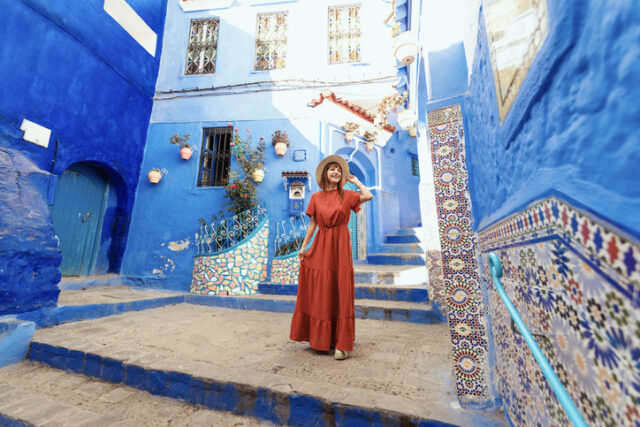
Whether you find yourself wondering how families celebrate minor holidays in another country, what a typical school day looks like for a child in a rural village, or how someone’s daily routine unfolds on the other side of the planet, curiosity is the ultimate foundation of being cultured.
It’s about a deep, internal desire to understand alternative ways of life without immediately rushing to judge them through your own cultural biases. Recognising that your way of doing things isn’t the default setting for humanity allows you to see that there are endless ways to live a rich and fulfilling life.
15. You’ve shared your culture with someone else.

True culture isn’t just a passive sponge exercise where you travel around absorbing experiences from others; it’s also about what you’re willing to give back. Taking the time to teach an international friend how to cook your absolute favourite childhood dish, explaining a quirky local tradition from your hometown, or sharing your country’s music boosts mutual appreciation.
When you open up about your own roots, you turn cultural exchange into a beautiful two-way street. It builds a bridge of connection that creates real empathy and enriches everyone involved in the conversation.