Retirement often seems like the ultimate goal—no alarms, no meetings, no deadlines.

It’s basically living the dream, right? In reality, for many retirees, the allure of the work world proves hard to resist. Nearly three in 10 Brits are considering returning to work post-retirement, per PensionsAge, while 15% have already done so. Whether it’s for financial reasons, a desire to stay active, or sheer boredom, retirees are heading back to work in droves.
They miss having a routine.

After decades of structured schedules, the freedom of retirement can feel a little… too free. Days that blur together can leave retirees longing for the sense of purpose that a daily routine brings. When you’ve spent 40 years waking up at the same time, having a clear plan for the day, and knowing exactly what you’re meant to be doing, an endless expanse of empty weeks can actually feel a bit destabilising. Going back to work reintroduces a comfortable structure that makes life feel more balanced, giving you a proper reason to get out of bed and get moving in the morning.
They want to stay mentally sharp.

Retirees know that “use it or lose it” isn’t just a cliche—it’s reality. Staying engaged in work keeps their minds active and challenged, helping to stave off that sluggish feeling that can creep in when you switch off for too long. A job that requires problem-solving, learning new systems, or using your creativity offers the perfect brain workout. It keeps the cognitive gears turning in a way that crosswords or daytime television simply can’t match, ensuring they stay switched-on and mentally agile.
Financial pressures add up.

Let’s face it—retirement isn’t cheap. Whether it’s the rising cost of living, energy bills creeping up, or unexpected house repairs, many retirees head back to work to boost their income and give themselves a bit of breathing room. Relying entirely on a fixed pension can feel incredibly restrictive when prices keep climbing at the supermarket. Taking on a part-time job or a bit of casual work can ease that financial strain instantly, letting you enjoy your life without constantly worrying about dipping into your hard-earned savings.
They’re bored.

There’s only so much gardening, golfing, and binge-watching you can do before restlessness sets in. For retirees who thrive on activity and pace, work provides a brilliant way to stay busy and avoid the total monotony of endless free time. Once you’ve completed all the DIY projects around the house and sorted out the garden, the novelty of doing nothing can wear off remarkably fast. Returning to employment is a chance to keep life genuinely interesting and introduce a bit of variety back into the week.
They miss the social interaction.
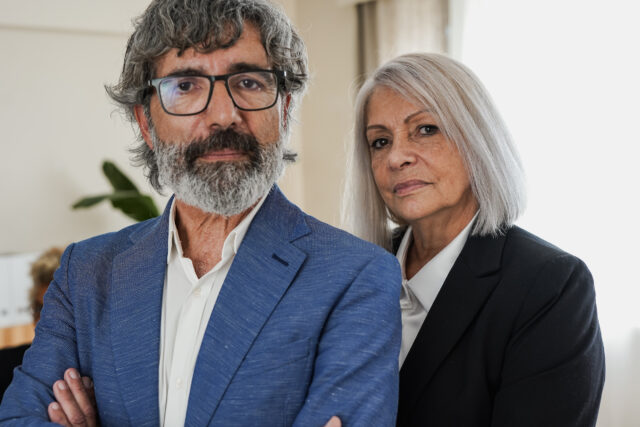
Retirement can sometimes feel incredibly lonely, especially if your social circles start to shrink or change over time. Returning to the workplace offers a built-in community of coworkers, clients, and daily interactions that you just don’t get sitting at home. Even the casual small talk by the coffee machine, sharing a joke during a lunch break, or working together on a project can bring a massive sense of connection. It beats talking to the television and keeps you plugged into the local community.
They want to feel productive.

For many, retirement leaves them questioning their contributions to society and wondering what their purpose is now that their career is officially over. Work provides an immediate way to feel accomplished, capable, and valued all over again. Tackling a tricky project, organising a workspace, or helping a customer reminds retirees of their extensive skills and expertise. It restores that inner pride that comes from a job well done and a day spent achieving something tangible.
They have a passion to share.

Some retirees return to work not because they have to for the money, but because they genuinely want to share their wealth of passion or expertise with the next generation. Teaching, consulting, or taking on a part-time mentoring role offers a highly fulfilling way to give back to an industry they spent their life mastering. It lets them pass down all those practical shortcuts and hard-earned wisdom to younger colleagues who are just starting out, keeping them engaged in their beloved field on their own terms.
They miss the pay cheque.

Even with a well-planned retirement fund and a decent nest egg, there’s something deeply satisfying about earning your own money. Returning to work brings back that familiar sense of total independence, where you know exactly how much is coming in based on your own efforts. Plus, having a little extra cash in your pocket that isn’t earmarked for bills never hurts. It means you can treat the grandkids, head out for a nice dinner, or buy something special guilt-free.
They’re starting a second career.

Retirement can actually be the perfect time to explore something entirely new without the pressure of having to climb a corporate ladder or pay off a massive mortgage. Many retirees see this phase of life as their big chance to pursue a completely different career they’ve always dreamed of but never had the time for. Whether it’s opening a small craft business, working in a local bakery, or becoming a tour guide, it’s an exciting fresh start that keeps life feeling like an adventure.
They’re supporting family.

Grandkids, adult children trying to get onto the property market, or even ageing parents—family obligations don’t magically disappear just because you’ve retired. With the younger generations facing massive financial hurdles, many retirees choose to return to work simply to provide a financial cushion for the people they love. Whether it’s helping with childcare costs, contributing to a house deposit, or funding a relative’s education, it’s a practical, generous way to support those who matter most.
They want to travel more.

Travel is a massive goal for most retirees, but jetting off around the world certainly isn’t cheap. Retirees with a serious case of wanderlust often return to work specifically to fund their holidays and adventures without feeling guilty about breaking the budget. Taking on a flexible job, a remote role, or seasonal work can easily cover the costs of airfare, cruises, or those big bucket-list destinations. Work essentially becomes a fun means to an exciting, globe-trotting end.
They’re curious about new industries.

Retirement offers the gift of time to explore interests that were sidelined during your primary career years. Some retirees return to work just to dip their toes into entirely new fields that they’ve always found fascinating from afar. It’s a brilliant way to learn something fresh, challenge your old assumptions, and gather new experiences while still earning a steady wage. It satisfies that natural human curiosity and keeps you from feeling like the world is passing you by.
They want to be role models.

Retirees returning to work often inspire younger generations with their work ethic, dedication, and decades of perspective. Whether it’s mentoring a nervous new hire, showing people how to handle a crisis with calm, or setting an example of lifelong learning, they thoroughly enjoy making a positive impact on the team dynamic. Their grounded presence in the workplace can be incredibly reassuring, uplifting, and motivating for everyone around them.
They need healthcare benefits.

While the NHS is always there, healthcare costs, private treatments, and wellness therapies can still become a significant concern as you get older. Returning to work, even on a part-time or flexible contract, often provides access to excellent employer-sponsored health insurance or dental benefits. For many, it’s a highly practical way to keep themselves and their partners covered for private care and quick appointments without having to dip into their retirement savings.
They love their work.

Not everyone sees retirement as a golden chance to leave the office behind forever. Some people genuinely love what they do for a living and simply cannot imagine walking away from it cold turkey. Returning to work lets them continue doing what they’re passionate about, solving problems, and staying connected to their industry network. It isn’t a chore for them; it’s a massive part of their identity that they aren’t ready to give up just yet.
They enjoy the challenge.

Retirees with a natural competitive streak or a love for problem-solving might find themselves deeply craving the challenges that work brings. Whether it’s meeting a tight deadline, managing a budget, or cracking a complex problem that has everyone else stumped, the adrenaline rush of achieving something difficult fuels their drive. Work essentially becomes their playground for personal growth, keeping life lively and making sure they never feel stagnant.
They’re not ready to slow down.
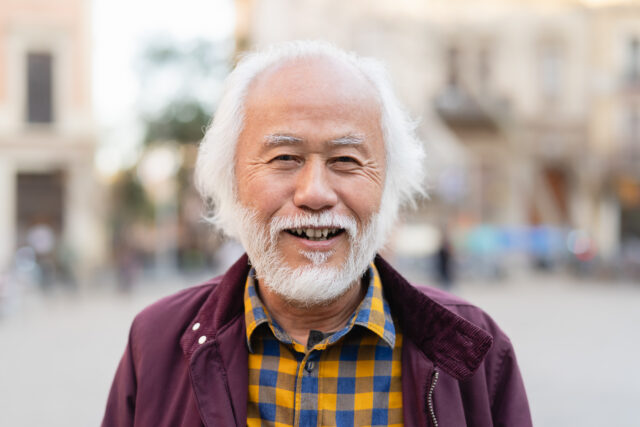
For a lot of retirees, the mere idea of slowing down, putting their feet up, and taking it easy feels incredibly stifling. They’ve got far too much energy for a quiet lifestyle and want to keep moving, learning, and staying connected to the modern world. Returning to work is their way of embracing life at full speed, staying relevant in a fast-paced society, and proving that age is absolutely nothing more than a number on a birth certificate.