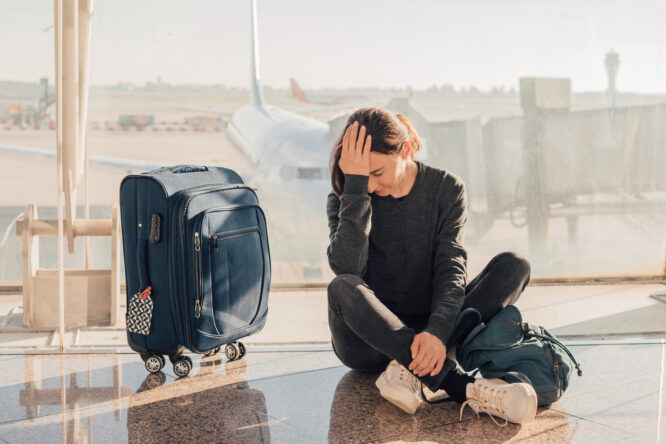
Getting ready for a holiday should be the best part of the trip, but it usually ends up being a frantic scramble to find your passport while trying to squeeze three weeks of outfits into a carry-on.
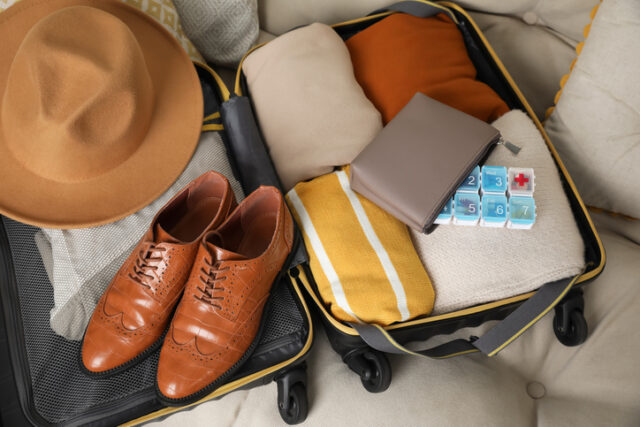
There is a massive difference between heading off feeling like you’ve got everything under control and arriving at the airport already needing another break because you’re stressed to the eyeballs. You’re not going to avoid every single travel hiccup, but you can definitely stop the small things from turning into a total headache. Taking a bit of time to sort your gear and your plans before you leave means you can actually enjoy the destination rather than spending your first three days trying to find a pharmacy or a phone charger.
Here are 10 ways to make sure your next trip is actually a holiday:
1. Packing cubes keep your suitcase organised.
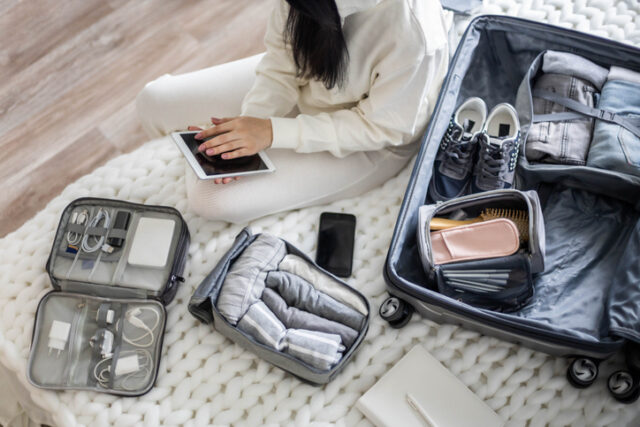
These little fabric containers are a massive help for keeping your luggage from becoming a giant pile of tangled clothes. Instead of just throwing everything in, you can sort your gear by type or even by day. It means you aren’t digging through your entire bag just to find a fresh pair of socks, and it actually helps you compress everything so you can fit more in. When you get to the hotel, you don’t even have to unpack; you just move the cubes straight into the drawers, and you’re sorted.
2. A portable charger saves you from battery anxiety.
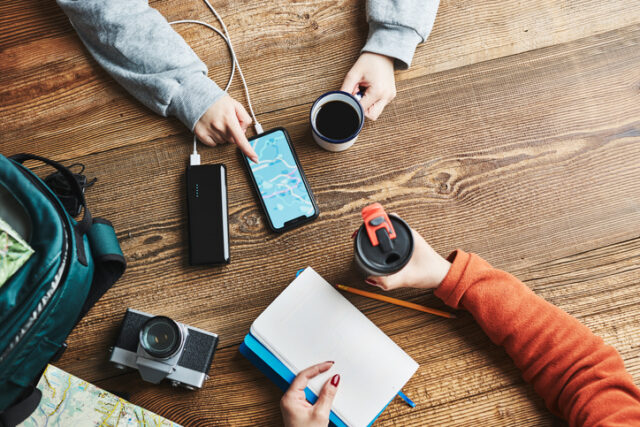
We rely on our phones for basically everything now, from showing our boarding passes to finding the way back to the hotel. A dead battery isn’t just annoying; it can leave you genuinely stuck in a city where you don’t know the layout. Carrying a decent power bank ensures you’ve always got a backup for maps and translations. You should look for one that holds enough power to top your phone up at least twice, and make sure it’s the first thing you plug in to charge every night.
3. Downloading offline maps prevents getting lost.

Data roaming is often a total rip-off, and you can’t always count on finding a reliable Wi-Fi signal when you’re wandering around a new town. Before you leave the house, use an app like Google Maps to download the entire area of your destination to your phone. It works exactly the same as the live version, including GPS, but it won’t cost you a penny in data. It’s a simple bit of prep that stops a wrong turn from becoming a massive ordeal.
4. Rolling clothes saves space and reduces wrinkles.
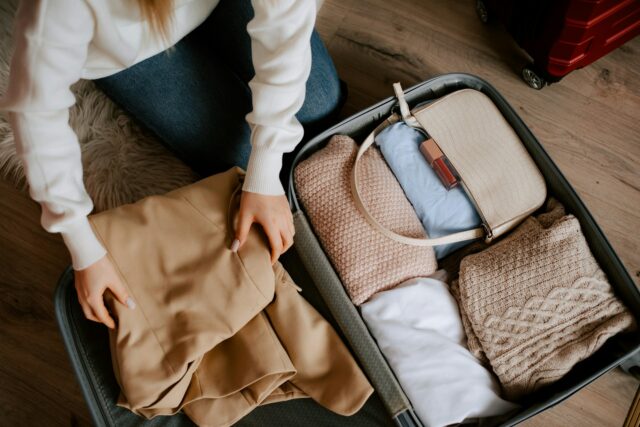
Folding your clothes is fine for a chest of drawers at home, but in a suitcase, it’s a waste of space. Rolling your T-shirts, trousers, and jumpers into tight cylinders lets you pack them together much more tightly. It also prevents those deep creases that happen when clothes are pressed flat under the weight of a heavy bag. If you’ve got something particularly fancy, try putting a bit of tissue paper in the middle before you roll it to keep the fabric from rubbing.
5. A reusable water bottle keeps you hydrated and eco-friendly.

Buying bottled water at an airport or a tourist trap is an easy way to burn through your spending money, and it’s a waste of plastic too. Bringing your own bottle means you can fill up for free after you’ve passed through security. If you’re headed somewhere where you’re not sure about the tap water, you can get bottles with built-in filters that make almost any source safe to drink. It’s one less thing to worry about when you’re out exploring all day.
6. Photographing important documents provides peace of mind.

Losing your physical passport or insurance papers is a nightmare, but having a digital backup makes the recovery process a lot faster. Take a clear photo of your main ID pages, visas, and booking confirmations, then save them somewhere you can get to them without an internet connection. It’s also a good idea to email them to yourself or a family member. If your bag goes missing, you’ll still have all the info you need to get things sorted with the embassy or the airline.
7. Learning a few local phrases goes a long way.

You don’t need to be a linguist to get by, but showing that you’ve put in even a tiny bit of effort usually gets you a much better reception. Learning how to say hello, please, and thank you is the bare minimum, but knowing how to ask for the bill or where the toilets are will save you a lot of awkward gesturing. People are generally much more helpful when they see you’re trying to meet them halfway, rather than just shouting English at them.
8. A small first-aid kit handles minor emergencies.
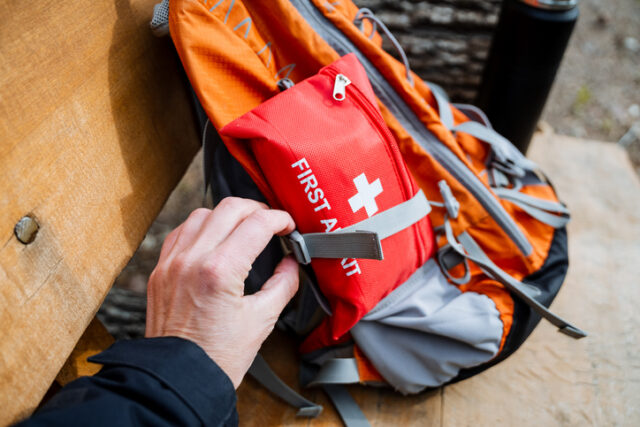
You don’t need to pack like you’re heading into a war zone, but a small pouch with the basics can save you a tedious search for a chemist. Throw in some plasters, a few painkillers, and something for an upset stomach. It’s also worth having some antiseptic cream and any regular meds you take. Having these bits on hand means a blister or a headache is just a minor annoyance rather than something that ruins your entire afternoon.
9. Noise-cancelling headphones make travel more peaceful.

Planes, trains, and even some hotel rooms can be incredibly noisy, and that constant background drone is a huge part of why travel feels so tiring. A good pair of noise-cancelling headphones allows you to carve out your own space so you can actually get some sleep or listen to a podcast. They’re a bit of an investment, but they’re worth every penny when you’re stuck on an 8-hour flight next to a chatty passenger or a humming engine.
10. A flexible attitude turns hiccups into adventures.

This is the one thing you can’t pack, but it’s the most useful tool you’ve got. Things will go wrong at some point—trains will be late, it’ll rain when it’s supposed to be sunny, and you’ll probably end up at a restaurant that’s a total letdown. If you expect everything to go perfectly, you’re going to have a miserable time. If you just accept that the chaos is part of the experience, those annoying moments usually turn into the best stories you tell when you get back home.