Cars are changing quickly, and not just in the obvious electric versus petrol way.
A mix of safety concerns, environmental targets, and tighter regulations means some of the features people see as completely normal today could be restricted or disappear altogether over the next few years. Some of these changes are already confirmed, while others are building momentum through safety ratings, new laws, and pressure from regulators. Either way, the direction is pretty clear, and it points towards simpler, safer, and more controlled vehicles on UK roads.
Petrol and diesel cars are already on a fixed deadline.
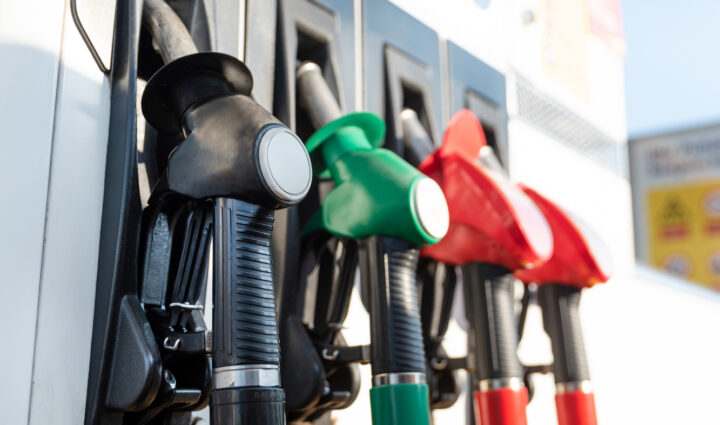
The biggest change isn’t a rumour, it’s already written into UK law. From 2030, new petrol and diesel cars won’t be sold, marking a major shift in how people buy and use vehicles. Manufacturers are already moving in that direction, with many phasing out traditional engines ahead of the deadline.
It doesn’t mean petrol and diesel cars will suddenly disappear overnight, as existing vehicles can still be driven and sold second-hand. That being said, it does signal the end of an era, and for anyone planning a long-term purchase, it’s something that now has a very clear expiry date attached to it.
Hybrid cars may not be as safe a bet as they seem.
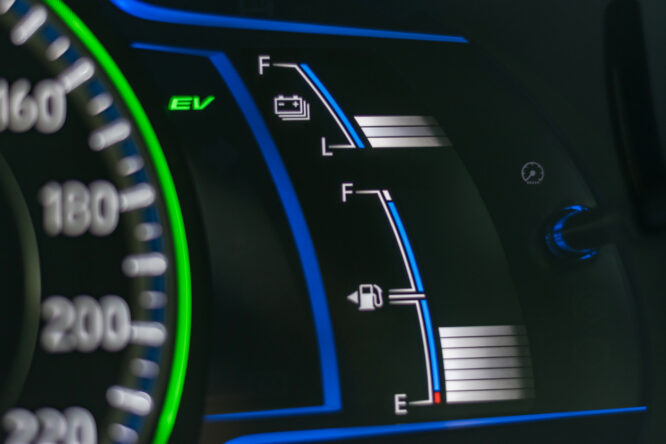
Hybrids are currently allowed to remain on sale until 2035, giving them a longer runway compared to full petrol and diesel vehicles. For now, they’re positioned as a stepping stone between traditional engines and fully electric cars.
However, there’s growing pressure from climate groups to bring that deadline forward. Some argue that allowing hybrids for too long slows down the switch to zero-emission vehicles. While nothing has changed officially yet, it shows how quickly policies can move when environmental targets come into play.
Misleading self-driving claims are being taken more seriously.
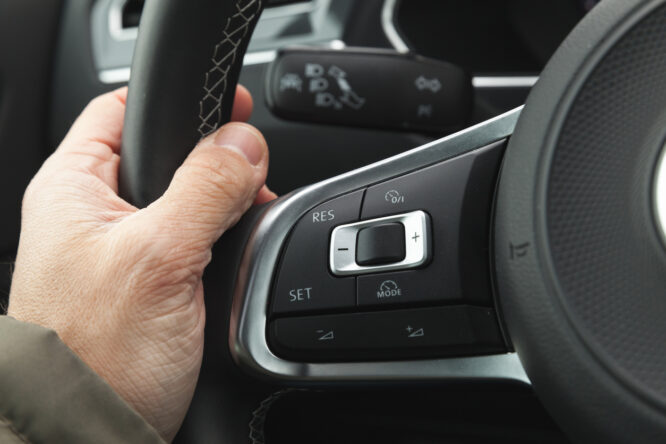
Modern cars often come with driver assistance features that can handle steering, braking, and lane control under certain conditions. The problem is how these features have been marketed, sometimes giving the impression that cars are more autonomous than they really are.
New rules are tightening how these systems are described and advertised. Manufacturers will face stricter limits on what they can claim, with the goal of stopping drivers from becoming overconfident and relying on technology that still requires constant attention.
Touchscreen-heavy dashboards are starting to raise concerns.
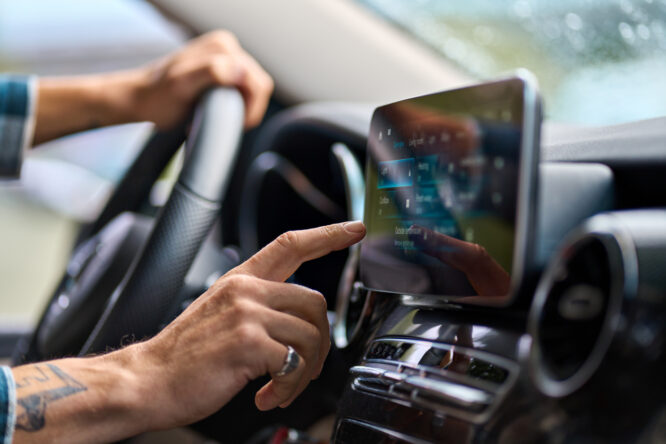
Large touchscreens have become a defining feature of newer cars, often replacing physical buttons for things like temperature control, volume, and even basic driving functions. While they look clean and modern, they come with a trade-off.
Safety bodies are increasingly concerned about the distraction they cause. Using a touchscreen often requires you to look away from the road for longer than pressing a button. As a result, newer safety ratings are beginning to favour vehicles that keep physical controls for key functions.
Extra-bright LED headlights are under growing scrutiny.
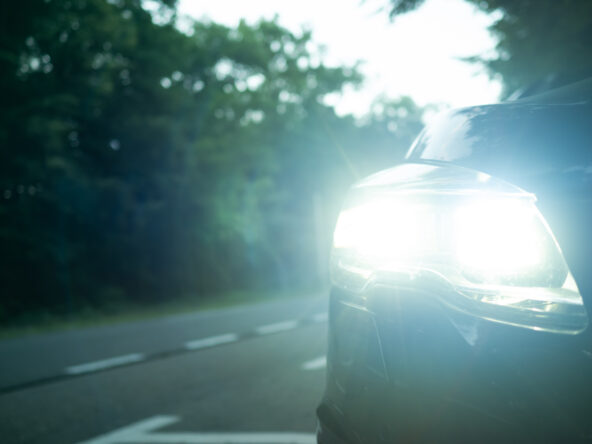
Headlights have become noticeably brighter over the years, especially with the widespread use of LED technology. While this improves visibility for the driver, it has created a new issue for everyone else on the road.
Complaints about glare have been rising, with many drivers reporting that they’re being dazzled more often, particularly on darker roads. Regulators are now looking at stricter limits on brightness and beam alignment to reduce the risk of accidents caused by reduced visibility.
Custom lighting modifications could face tighter restrictions.
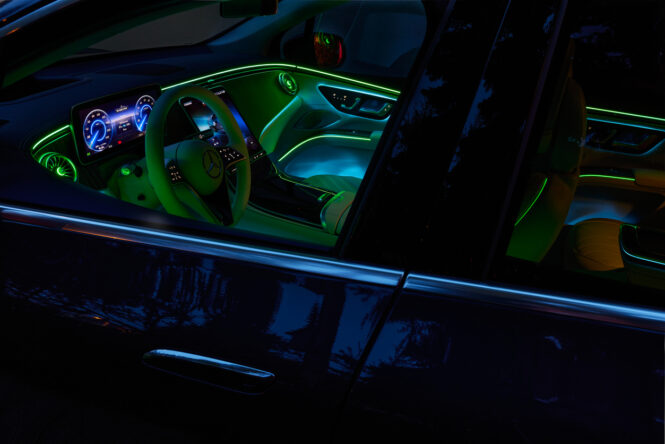
Aftermarket lighting, like underglow kits or heavily modified LED setups, has become more common, especially among car enthusiasts. While these can make a vehicle stand out, they can also create confusion for other road users.
Non-standard lighting can affect how people interpret a car’s position, speed, or direction, particularly in low-light conditions. Because of this, there’s increasing focus on keeping vehicle lighting more uniform and predictable, which could limit what modifications are allowed.
Loud exhausts and high-emission mods are being targeted.
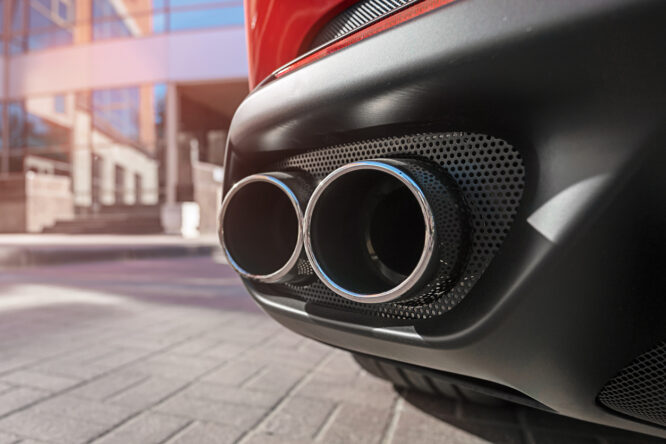
Performance modifications that increase noise or emissions are already under pressure, and that pressure is only expected to grow. Local authorities are becoming stricter when it comes to enforcing noise limits and emissions standards.
For many drivers, this means the days of heavily modified exhaust systems and high-noise setups may be numbered. It’s not just about annoyance, but also about environmental impact and maintaining consistent standards across vehicles.
Safety and standardisation are shaping what comes next.
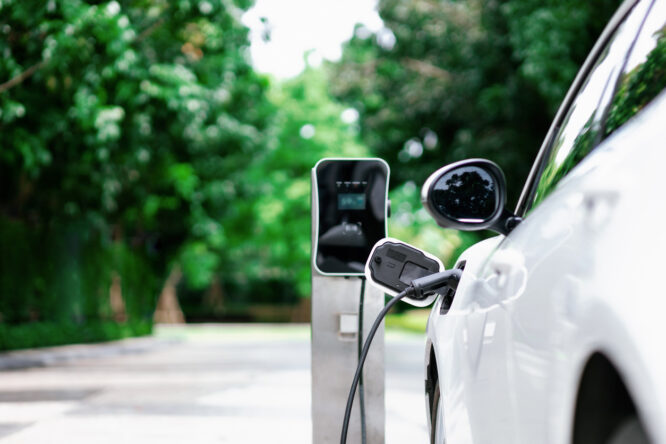
Even where outright bans haven’t been confirmed, the general trend is clear. Cars are being pushed towards designs that reduce risk, limit distraction, and meet stricter environmental rules. That often means fewer custom elements, fewer extremes, and more consistency between vehicles. For drivers, it might feel like some personality is being lost, but from a regulatory point of view, it’s about making roads more predictable and safer for everyone.
Technology is being treated more cautiously than before.
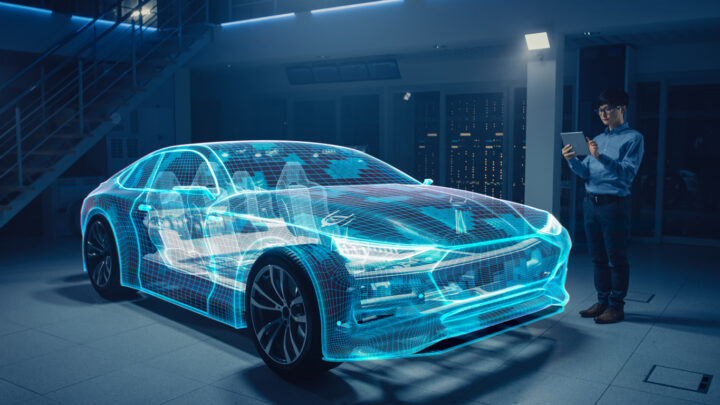
There was a period where new car technology was introduced quickly, often with bold claims about what it could do. That approach is now being reined in, particularly where safety is concerned. Regulators are taking a closer look at how features actually perform in real-world conditions. Instead of rewarding innovation alone, there’s more emphasis on reliability, clarity, and how easily drivers can use systems without distraction.
Drivers may need to rethink what they expect from a car.

A lot of the features being questioned right now are things people have grown used to, like large screens, bright lighting, or heavily customised setups. Losing some of those could feel like a step backwards at first. However, the change isn’t random. It’s tied to bigger goals around safety and sustainability. Over time, expectations will likely adjust, and what feels like a restriction now may just become the new normal for how cars are built and used.
The changes won’t all happen at once.

Not every feature is going to disappear overnight. Some changes are already set in law, while others will come through updated safety ratings, stricter enforcement, or gradual changes in manufacturing standards. That means the transition will feel uneven at times. Some cars will still have features that newer models don’t, which can make the change feel a bit confusing in the short term.
The next few years will reshape the driving experience.
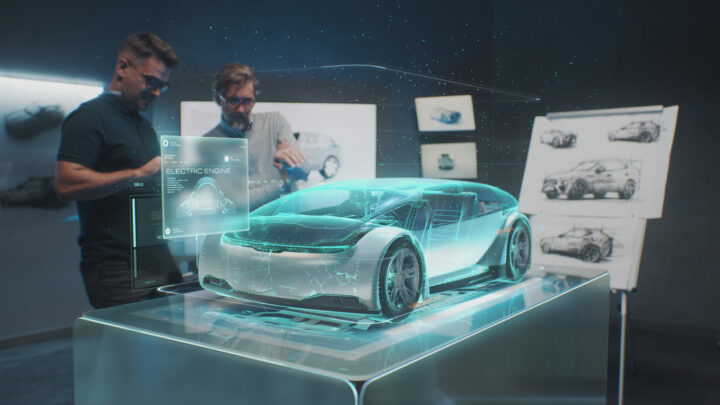
Looking ahead to 2030, the driving experience in the UK is likely to feel quite different. Cleaner engines, simpler controls, and tighter rules around modifications will all play a part. For most drivers, it won’t come down to one big change, but a series of smaller ones that gradually add up. And by the time they’re fully in place, many of today’s “normal” features may already feel like something from a previous generation of cars.