Getting older has a strange way of sneaking up on people through tiny little annoyances nobody really warns you about properly.

One day, you’re getting out of the sofa without thinking about it, and the next you’re making involuntary sound effects every time you stand up. Ageing is more than just wrinkles or grey hair; a lot of the changes happen slowly inside the body long before people really notice them. The good news is that many of these problems are far more manageable than most people realise.
Your teeth can slowly start moving around.

A lot of people are surprised to discover teeth never fully stop shifting during adulthood. Years of chewing, grinding, missing teeth, and gum problems can slowly change the position of teeth over time, especially in the lower front part of the mouth. Some people suddenly notice crowding, gaps appearing, or food constantly getting trapped in places where it never used to.
Ageing affects the jawbone and surrounding structures in the same way it affects the rest of the skeleton. Bone density slowly declines, and teeth can begin drifting as support weakens. Dentists now often recommend night guards for grinding, while newer treatments like clear aligners and retainers can help correct movement without the dramatic braces people remember from years ago.
Most people slowly lose height as they age.

A lot of adults start shrinking slightly from around their forties onwards, even if they don’t notice it immediately. By the age of 70, men may lose around an inch in height, while women often lose even more. The spine gradually compresses over time as bones weaken and cartilage wears down.
Muscle loss and posture changes can also create the hunched appearance many people associate with ageing. Women can be especially affected after menopause because falling oestrogen levels speed up bone density loss. Strength training, weight-bearing exercise, vitamin D, calcium, and keeping muscles strong all become much more important as the years go on.
Hair starts behaving very differently.
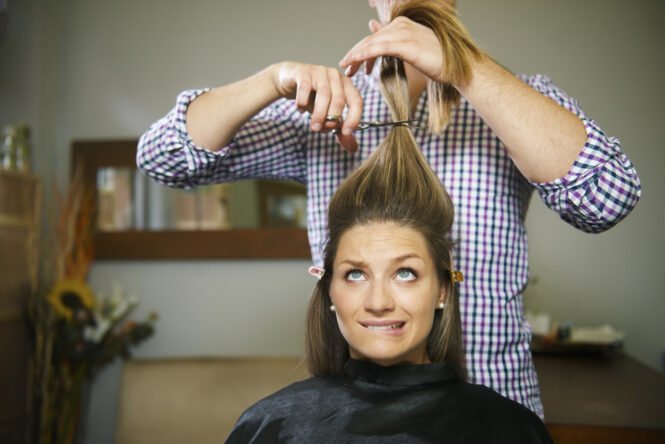
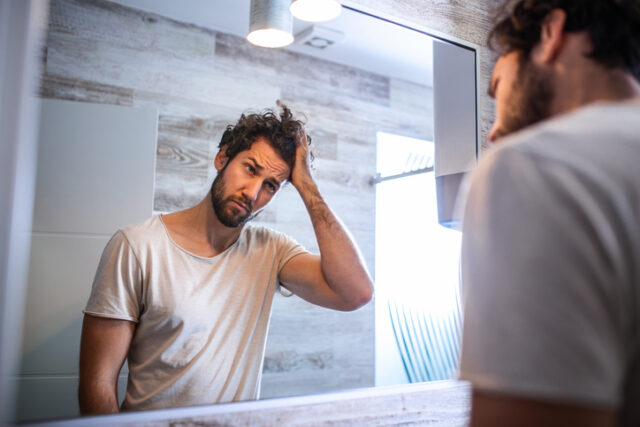
One of the stranger parts of ageing is how hair seems to disappear from places where people want it, while suddenly appearing where they absolutely do not. Many people notice thinning scalp hair while also getting more facial hair, ear hair, or random coarse hairs that seem to arrive overnight.
Hormones play a huge role in this change. In women, oestrogen drops sharply after menopause, while other hormones remain more stable. In men, certain hormones can continue stimulating facial hair growth while scalp hair weakens. Treatments now range from topical products and laser removal to prescription options designed to slow hair loss or reduce unwanted growth.
Getting up from the sofa suddenly becomes harder.

One of the most common signs of ageing is losing muscle strength far earlier than people expect. After the age of 40, adults can lose around one to two per cent of muscle mass every year if they’re not actively maintaining it.
That gradual loss explains why things like climbing stairs, carrying shopping bags, or standing up from low chairs can suddenly feel more tiring. Experts say strength training twice a week becomes one of the most important habits for maintaining independence later in life. Simple movements like squats, chair stands, stretching, and resistance exercises can make a major difference over time.
Nighttime toilet trips become much more common.
Many older adults find themselves waking up repeatedly during the night needing the toilet, even if this was never previously an issue. Both lighter sleep patterns and changes in bladder function both play a role.
As people age, sleep becomes less deep, making the brain more aware of bladder signals during the night. Hormone changes can also affect how urine is regulated while sleeping. Some doctors recommend reducing fluids before bed, while others may prescribe treatments that help the body manage overnight urine production more effectively.
People often stop feeling thirsty properly.

One of the lesser-known parts of ageing is that the body’s thirst signals gradually weaken. Older adults may become dehydrated without noticing because they simply don’t feel thirsty in the same way anymore.
This becomes increasingly important after the age of 80, when dehydration risks rise sharply. Even mild dehydration can affect energy levels, concentration, balance, and overall health. Doctors recommend making hydration more routine rather than relying purely on thirst as a signal. Water and electrolyte-rich drinks are generally considered the best option.
Many ageing problems are linked to muscle and bone loss.
A surprising number of common ageing symptoms connect back to the same core issue of gradual physical decline inside the body. Bone density decreases, muscles weaken, joints stiffen, and recovery slows down.
That’s partly why the focus is now heavily on healthy ageing rather than simply lifespan alone. Staying mobile, maintaining strength, eating properly, and remaining active can all help reduce the speed of physical decline significantly.
Experts say ageing isn’t completely fixed or unavoidable.

One of the more encouraging parts of modern ageing research is that scientists now believe many aspects of physical decline can be slowed down far more than people once thought. Genetics still matter, but lifestyle appears to play a huge role too.
Researchers divide ageing into two categories. Primary ageing refers to the natural wear happening inside cells over time, while secondary ageing is linked to outside factors like inactivity, diet, smoking, poor sleep, and stress. That means some of the biggest drivers of ageing are at least partly controllable.
The small signs of ageing often arrive before people expect.

A lot of these changes appear gradually enough that people barely notice them at first. It might start with struggling to read menus in dim lighting, taking longer to recover after exercise, or suddenly making strange noises every time you stand up.
The important thing experts stress is that these changes are incredibly common and usually not something to panic about immediately. But they can also act as useful warning signs that the body needs more support, movement, strength, hydration, or medical attention than it did years earlier.