Washing food before cooking feels like the sensible, hygienic thing to do, but a few common kitchen habits can do more harm than good.

Rinsing certain foods under the tap doesn’t always make them safer to eat, and in some cases it can spread bacteria around your kitchen or simply ruin the texture of what you’re cooking. Food safety experts have flagged a handful of foods that are best left out of the sink entirely. Here’s what to avoid rinsing, and what to do instead to keep both your kitchen and your dinner in good shape.
Raw meat and poultry should never go near your sink.
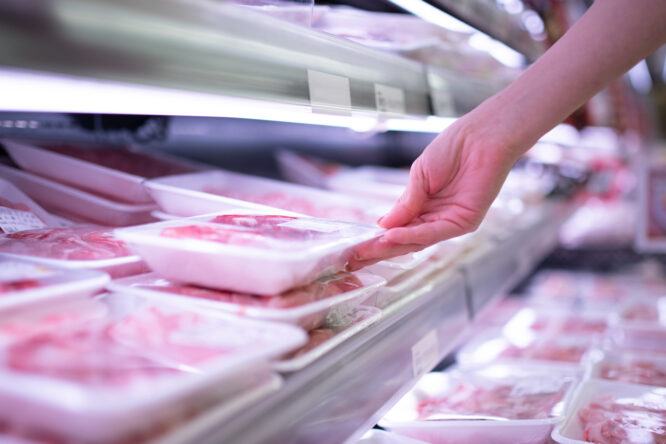
Plenty of people rinse chicken under the tap out of habit, assuming it helps clean off anything unwanted before cooking. Food safety experts are clear that this step isn’t necessary, and rinsing raw chicken, turkey, beef, or pork doesn’t actually remove bacteria from the surface at all.
Worse still, splashing water while rinsing raw meat can send harmful bacteria like salmonella flying onto nearby surfaces, utensils, and other food sitting close by. Cooking meat properly does all the work of killing off bacteria, so skipping the rinse entirely is both safer and far less messy.
Seafood carries the same risk.

It’s not just meat and poultry that should stay away from the sink. Washing seafood doesn’t effectively remove harmful bacteria either, and just like with raw meat, splashing water around while rinsing can spread germs onto everything nearby.
This includes worktops, chopping boards and any ready to eat food sitting close to where you’re prepping. The safest approach is simply moving raw seafood straight from its packaging into the pan or dish it’s being cooked in, skipping the sink altogether.
Splitting your kitchen into zones can keep things clean and safe.
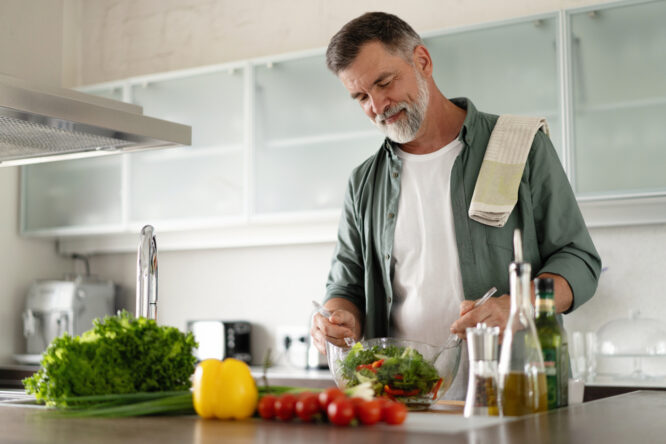
Rather than relying on a rinse to feel like you’re being hygienic, food safety experts recommend a much more effective habit instead, keeping raw and ready to eat foods completely separate while you cook. That means using different chopping boards and utensils for raw meat compared to things like salad or bread that won’t be cooked afterwards.
Separation greatly reduces the chances of bacteria spreading from raw food onto something you’re about to eat without cooking. Once your meat is safely in the pan or oven, washing your hands thoroughly and giving your prep surfaces a proper clean finishes the job.
Cooking to the right temperature is what actually reduces risk.

The real key to food safety isn’t rinsing at all, it’s making sure meat reaches a high enough temperature during cooking to kill off any bacteria present. Poultry needs to reach at least 74 degrees Celsius internally to be properly safe to eat.
Beef, pork, lamb, and seafood should reach at least 63 degrees, while minced meat needs a slightly higher temperature of around 71 degrees due to how it’s prepared. A meat thermometer takes the guesswork out of this entirely, giving you a clear, reliable way to know your food is properly cooked through.
Eggs are better off staying dry, too.
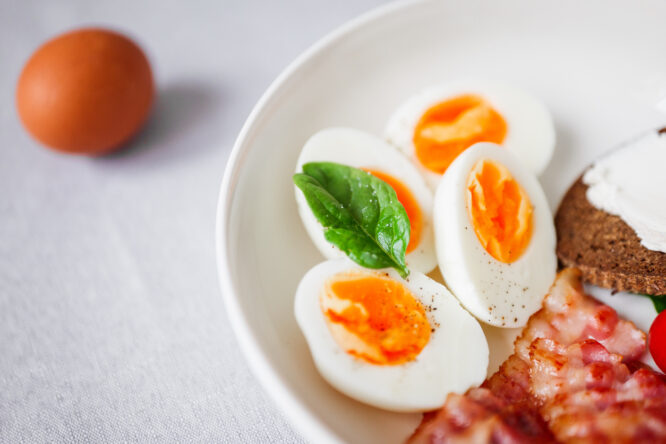
It might feel instinctive to give an egg a quick rinse before cracking it into a bowl, but this isn’t actually necessary and can do more harm than good. Washing eggs under water risks cracking their delicate shells, which can let bacteria slip inside before you’ve even started cooking.
If an egg looks a little dirty, gently wiping it with a dry or slightly damp cloth is a much safer option than running it under the tap. This keeps the shell intact and avoids introducing any unwanted moisture that could carry bacteria through tiny cracks you might not even notice.
Mushrooms don’t need a proper wash, either.

Unlike meat or eggs, the concern with mushrooms isn’t really about safety, it’s about texture and taste. Mushrooms are naturally quite porous and soak up water incredibly quickly, which can leave them soggy and far less enjoyable once cooked.
Instead of running them under the tap, a quick rinse followed by gently brushing away any visible dirt with a dedicated brush works far better. Drying them thoroughly with a cloth or paper towel afterwards helps keep their texture intact once they hit the pan.
Rinsing rice can actually strip away nutrients.

Plenty of people rinse rice before cooking, whether that’s to remove excess starch or reduce arsenic levels naturally found in some grains. But when it comes to enriched or fortified rice, which has extra nutrients like B vitamins and iron added during processing, excessive rinsing can wash a lot of those added nutrients straight down the drain.
Unless you specifically prefer the texture rinsing gives your rice, skipping this step helps you hold onto as much of that added nutritional value as possible. If you do choose to rinse for personal preference, keeping it brief rather than thorough helps limit how many nutrients get washed away in the process.
Remember a few simple habits moving forward.

Skipping the rinse on raw meat, poultry, seafood, and eggs isn’t about being lazy in the kitchen, it’s actually the safer, more hygienic choice backed by food safety experts. Cooking food to the correct temperature does the real work of keeping you safe, while good habits like separate chopping boards and thorough handwashing handle the rest.
For mushrooms and rice, the concern switches from safety to simply getting the best result on your plate, whether that’s a better texture or holding onto more nutrients. A few small adjustments to old habits can make a difference to both how safe and how enjoyable your cooking turns out.