Ageing is an inevitable part of life, but many people try to fight it.

Somewhere along the way, it turned into something people apologise for, joke about nervously, or try to outrun with expensive creams and panic purchases. There’s this unspoken rule that you’re meant to cling to youth like it’s the last lifeboat, even when that gets exhausting fast.
The people who actually seem happiest as they get older tend to do the opposite. They stop fighting the clock and start working with it. They’re not pretending they’re twenty-five forever, but they’re also not giving up on life, fun, or curiosity. Instead, they build habits that make getting older feel richer, steadier, and far more satisfying than constantly trying to rewind.
1. They make learning a priority.

People who welcome ageing don’t treat learning like something that ends with exams or job training. They keep picking things up simply because they’re interested, whether that’s a new subject, a skill they never had time for before, or something they’ve always been curious about. There’s no pressure to be brilliant at it, just a genuine desire to know more than they did yesterday.
This habit keeps life feeling open rather than closed. Instead of thinking in terms of “too late,” they think in terms of “why not.” Learning becomes less about achievement and more about staying mentally engaged with the world, which does wonders for confidence and enjoyment.
2. They build friendships across ages.

Rather than sticking strictly to people born within a five-year window, they’re comfortable forming connections with people older and younger than them. They enjoy the mix of perspectives, humour, and life stages, and they don’t see age as a barrier to meaningful connection.
This keeps life feeling dynamic instead of repetitive. Younger friends bring fresh ideas and energy, older friends bring perspective and calm, and somewhere in the middle is a reminder that life doesn’t suddenly stop being interesting at a certain birthday. It also makes ageing feel far less isolating.
3. They practise gratitude in a grounded way.

These people aren’t pretending everything is perfect or forcing positivity. They simply notice what’s going well alongside what’s hard. They appreciate experience, relationships, and small daily comforts in a way that feels earned rather than performative.
That perspective pulls attention away from what’s changed or gone and towards what’s still solid and meaningful. As time goes on, this makes ageing feel less like loss and more like accumulation. You’ve lived, you’ve learned, and that counts for something.
4. They look after their health without becoming obsessed.
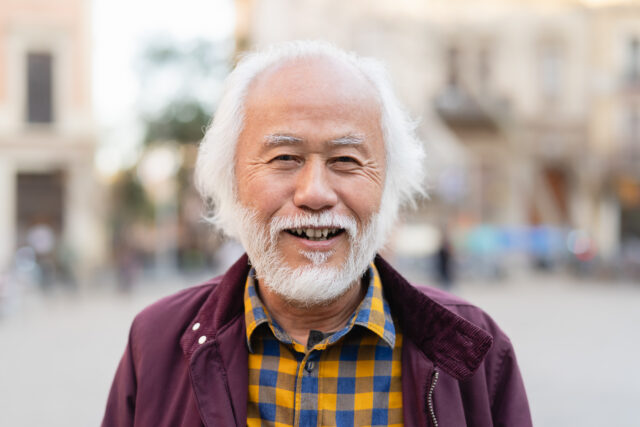
They care about how they feel, but they don’t treat ageing like a personal failure. Movement, food, rest, and check-ups matter, but so does enjoyment. There’s room for indulgence without spiralling into guilt. Striking a balance keeps health from turning into a constant source of anxiety. Instead of chasing perfection, they focus on feeling capable and well enough to enjoy their lives. That mindset tends to stick far longer than any extreme routine ever does.
5. They embrace change.

When things change, they don’t immediately dismiss them as rubbish or unnecessary. New technology, social changes, and different ways of doing things are met with curiosity rather than resistance. They might grumble briefly, but they still give it a go.
Staying flexible keeps life moving forward instead of shrinking. It stops the world from feeling like it’s racing ahead without them. Staying open helps them remain connected, capable, and far less grumpy about change than people half their age.
6. They make time for what they genuinely enjoy.
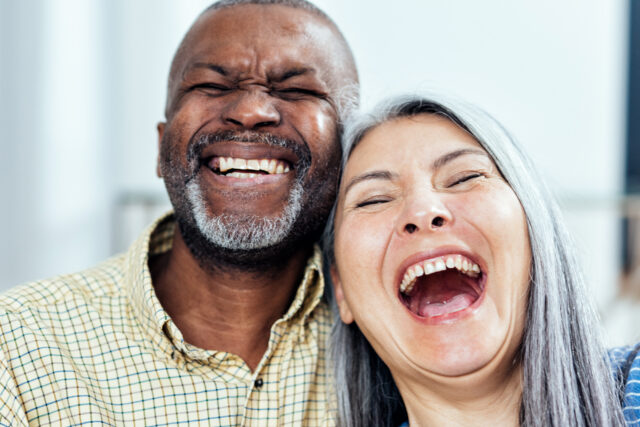
People who age well don’t drop their interests just because they’re busy or because something feels “silly.” They protect time for the things that make them feel absorbed and content, whether that’s creative work, helping out somewhere, or simply getting lost in something they love.
These interests give days shape and purpose beyond obligation. They also create moments of satisfaction that don’t depend on productivity or approval. Enjoyment becomes something they actively allow themselves, rather than something postponed indefinitely.
7. They accept themselves as they are now.

Instead of fighting every physical change, they adjust their relationship with their body. They focus more on function than appearance and appreciate what their body still allows them to do. That doesn’t mean vanity disappears, but it no longer runs the show.
Accepting themselves completely takes pressure off in a big way. When you stop measuring yourself against a younger version you can’t return to, you free up energy for things that actually matter. Comfort and confidence start to replace constant comparison.
8. They keep their sense of humour intact.

They laugh at themselves, their quirks, and the odd realities of getting older. Things that might embarrass or irritate other people become stories instead. That ability to find humour keeps setbacks from feeling overwhelming. Humour acts like emotional grease. It helps conversations flow, eases awkward moments, and keeps relationships warm. When you can laugh your way through change, ageing feels far less heavy and a lot more liveable.
9. They stay socially active.
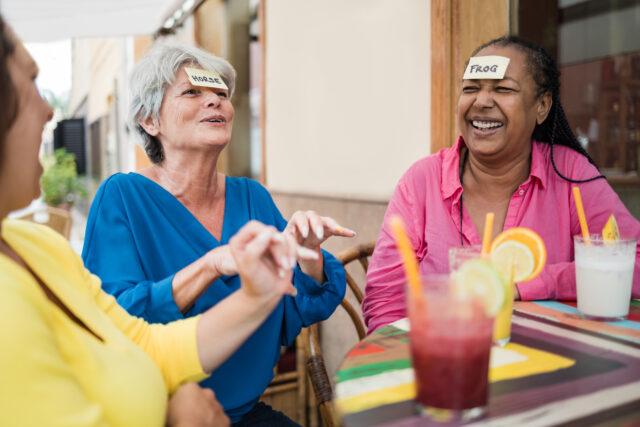
People who age well don’t slowly disappear from social life and then wonder why everything feels smaller. They keep showing up. That might mean regular coffees, group chats that never quite die, or saying yes to invitations even when the sofa is tempting.
Staying connected keeps life feeling shared rather than solitary. Conversations, laughter, and familiar faces add texture to everyday life. It also means there are people around who notice when something’s off and who celebrate the good stuff alongside you.
10. They keep setting new goals.
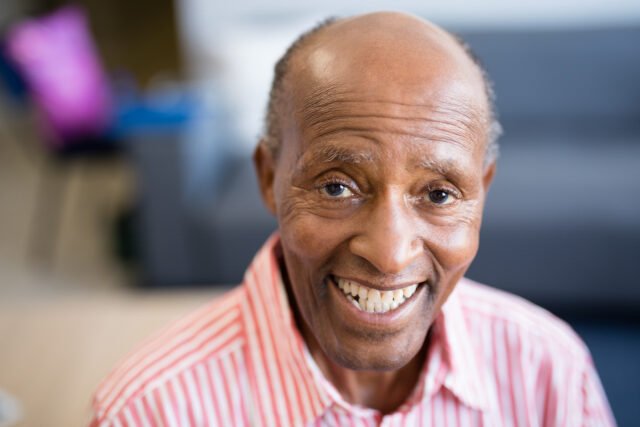
They don’t treat a certain age as the end of ambition. Goals might look different than they did years ago, but there’s always something on the horizon. Trips they want to take, things they want to try, or personal targets they quietly work towards. Having plans gives time some shape. It creates anticipation and momentum, even when life feels steady. Without goals, days can blur together. With them, there’s always a reason to keep moving forward.
11. They make space for the present.

Rather than rushing through everything, they actually notice what’s happening around them. Meals are eaten properly, conversations aren’t half-listened to, and moments aren’t constantly interrupted by mental to-do lists. Being present doesn’t require incense or long sessions of sitting still. It’s about giving your attention to what’s in front of you instead of always thinking three steps ahead. That change alone can make everyday life feel fuller.
12. They give back to their community.

People who age happily often enjoy being useful beyond their own bubble. That might be helping out locally, sharing skills, or simply being someone other people can rely on. There’s satisfaction in knowing you still have something to offer. Contributing creates connection and purpose. It reminds you that experience counts and that your time and energy still matter. Giving back isn’t about obligation, it’s about staying woven into the fabric of life.
13. They shape their space to fit who they are now.

They stop holding onto things just because they always have. Living spaces become more intentional, with fewer items that feel like clutter and more that feel comforting or meaningful. A well-chosen environment supports how you want to live now, not how you lived 10 or 20 years ago. Letting go of what no longer fits can feel surprisingly freeing. Your surroundings start working with you instead of weighing you down.
14. They keep an eye on money without panicking about it.

They know roughly where they stand and make sensible plans, but they don’t let money dominate every thought. There’s awareness without constant worry, and preparation without obsession. That balance brings peace of mind. Knowing you’ve thought ahead makes it easier to enjoy the present without a knot of anxiety in the background. Financial clarity creates breathing room rather than fear.
15. They celebrate milestones.

Birthdays aren’t treated like something to survive or joke away. They’re milestones, markers of experience, and proof that you’re still here. Another year becomes something to acknowledge, not hide from. Celebrating age reframes the whole process. Each year adds stories, lessons, and perspective. When you see it that way, ageing stops feeling like a countdown and starts feeling like accumulation.
16. They prioritise sleep.

They stop pretending they can run on fumes. Bedtimes matter, routines help, and rest is treated as non-negotiable rather than indulgent. Good sleep supports mood, focus, and physical comfort. Prioritising it isn’t boring, it’s practical. Feeling rested makes everything else in life easier to handle.
17. They stay curious.
They keep asking questions, trying things, and letting themselves be interested. Curiosity doesn’t fade just because you’ve lived a long time. If anything, it deepens. Staying curious keeps life open-ended. It stops days from becoming predictable and keeps the world feeling worth engaging with. Age doesn’t dull curiosity unless you let it, and the people who don’t are usually the most enjoyable to be around.