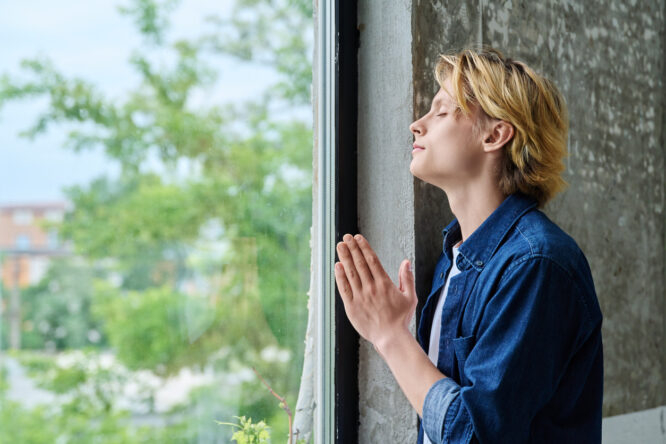
Choosing solitude over social noise isn’t always a sign of shyness or antisocial tendencies.

In fact, people who prefer being alone often have strengths and quirks that fly under the radar. These are things that can look unusual from the outside, but make total sense when you understand what’s behind them. Whether it’s a sharp sense of self, an intense inner world, or an unwillingness to waste time on small talk, these traits say a lot about someone’s inner life. These are some of the qualities most commonly found in people who genuinely enjoy their own company (and sometimes prefer it to anyone else’s).
1. They’re rarely bored.

People who enjoy being alone tend to have a rich inner world. They can get lost in their thoughts, dive into creative projects, or explore interests that keep them occupied for hours. While other people might need external stimulation to feel engaged, these individuals often feel most energised when they’re left to follow their own curiosity.
Because of that, they’re usually great at entertaining themselves. They don’t need a packed social calendar or constant interaction to feel fulfilled; they find meaning in the quiet moments and don’t rely on anyone else to fill the space.
2. They notice absolutely everything (even the stuff people try to hide).

Solitude gives them time to observe, and they tend to notice details nobody else is on the lookout for, like little changes in someone’s mood, or patterns that aren’t obvious at first glance. They might not always speak up about what they notice, but their awareness runs deep.
This level of observation makes them particularly thoughtful. They’ll remember the small things people say, notice inconsistencies, and pick up on things other people wave off. It’s part of why they can feel overwhelmed in noisy or crowded settings. There’s just too much information coming in.
3. They’re incredibly loyal once you’re in their good books.

They’re not the type to form 20 casual friendships or jump into a social group just for the sake of it. But when they let someone into their life, it’s meaningful. They value trust and depth, and they’re usually the kind of friend who sticks around even if they’re not constantly in touch. Because connection doesn’t come lightly for them, they tend to value the people they do bond with very deeply. They may take longer to open up, but when they do, their loyalty isn’t performative. It’s consistent and steady.
4. They don’t crave validation the same way.

People who are happy alone usually don’t rely on constant feedback to feel okay. They’ve learned to trust their own judgement and don’t need to broadcast every decision or get anyone’s approval before doing something. It’s not that they don’t care what anyone else thinks. It’s just not their driving force. This trait often surprises people, especially in a culture obsessed with online presence and social engagement. Their self-worth doesn’t hinge on likes or reactions, and they tend to feel more grounded because of it.
5. They always think before they speak.

Because they spend a lot of time processing their own thoughts, they’re less likely to blurt things out just to fill the silence. They usually value clarity and don’t speak unless they feel like there’s something worth saying. This can come off as quiet or reserved, but it’s more about being intentional.
In conversation, they often pause before responding, not because they’re unsure, but because they’re considering what actually needs to be said. This reflective quality can make their words carry more weight, even if they don’t say much.
6. They value honesty over harmony.

They’re not into surface-level agreement or saying things just to keep the peace. If something feels off or dishonest, they’ll quietly withdraw rather than pretend everything’s fine. They’d rather deal with discomfort than be fake. This doesn’t mean they’re confrontational; it just means they prefer things to be real, even if it’s awkward. They’d take an honest conversation over polite small talk any day, and they tend to respect people who are equally upfront.
7. They recharge by unplugging.

Even if they enjoy people in small doses, being around other people drains their energy faster than most people realise. They often need solo time to reset, not because they’re moody or antisocial, but because that space helps them come back to themselves. This is something they’ve likely learned through experience. They know when they’re reaching their limit, and they’re usually not afraid to step away from the noise, without needing to explain or apologise for it.
8. They don’t fake enthusiasm.

People who prefer solitude tend to be emotionally honest. If they’re not excited about something, they won’t pretend to be. This might make them seem a little flat in group settings, but it’s just that they’re not interested in putting on a show. They bring their full self when something actually matters to them, and when it doesn’t, they’re content to sit back without needing to take the spotlight. They’d rather be genuine than people-pleasing.
9. They have strong internal boundaries.

Time alone has taught them what’s theirs to carry, and what’s not. They’re usually good at spotting when someone’s energy or emotions are starting to bleed into their space. It’s not uncommon for them to step back before things get too messy. That doesn’t mean they’re cold. In fact, they can be deeply empathetic, but they’ve learned how to protect their peace. They know that not everything is theirs to fix or hold, and they honour that limit.
10. They see through social performance.

Having spent a lot of time on the outside looking in, they can often spot when someone’s faking confidence, forcing a connection, or saying what they think they’re supposed to. They’re not always vocal about it, but they usually see right through it. They’re not trying to be cynical. It just comes from noticing patterns and picking up on subtle social cues. It’s part of why they often prefer authenticity over popularity. They’d rather be with someone real than someone polished.
11. They’re slow to trust, but deeply intuitive.

They don’t open up quickly, and they don’t trust everyone with their time or energy. But they’re also highly intuitive, often picking up on things that don’t sit right long before anyone else notices. They trust their gut more than outside advice. They’ve usually spent years getting to know their own instincts in solitude, and it shows. They might not always be able to explain their hunches, but they rarely regret following them.
12. They have a strong creative streak.
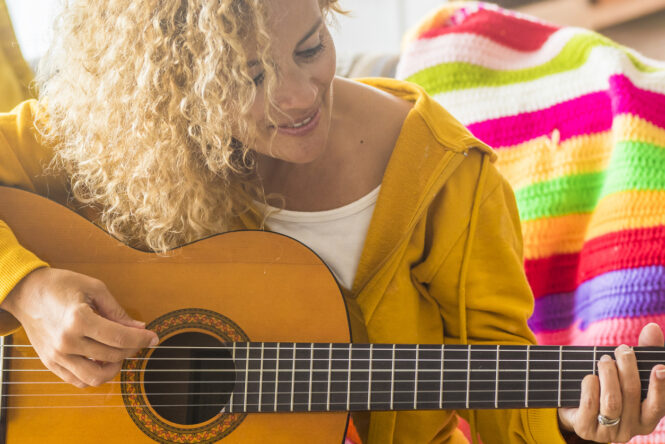
Being alone often fuels creativity. Whether it’s writing, designing, solving complex problems, or simply thinking in new ways, they thrive in the mental space that solitude gives them. Without constant distraction, their mind has room to explore. Even if they’re not traditionally “artistic,” they usually have creative ways of approaching life. They might not be loud about it, but they often have rich imaginations and unique perspectives that come from all that quiet time thinking.
13. They don’t seek chaos. In fact, they actively avoid it.

They’re usually not drawn to drama or environments that stir things up just for the sake of it. They value stability, calm, and simplicity, not because they’re boring, but because they know how disruptive chaos can be to their peace of mind. This doesn’t mean they avoid intensity or challenge, but they’re selective about what they get involved in. If something feels like unnecessary conflict or noise, they’ll often choose to disengage before it escalates.
14. They’re self-aware to a fault.

Spending time alone means spending a lot of time in your own head, and that usually builds a pretty strong sense of self-awareness. They tend to know their patterns, recognise their emotional cycles, and notice when something is off, even if they don’t always talk about it. This awareness can sometimes be heavy because it means they’re not great at avoiding uncomfortable truths. But it also means they grow fast, reflect deeply, and rarely live on autopilot.
15. They question social norms rather than just accepting them.

Because they’re not always immersed in groupthink, they often step back and question the way things are done. They’re not quick to accept traditions, trends, or pressures just because everyone else seems to. They think critically, sometimes to the point of being seen as contrarian. But really, it’s just a refusal to follow the herd without understanding the why. That independence often makes them great at creating their own path.
16. They’re comfortable with silence.

Many people find silence uncomfortable and feel the need to fill it with noise, chatter, or distraction. However, people who enjoy solitude tend to feel most grounded in the quiet. Silence isn’t awkward to them; it’s comforting, necessary, and even nourishing.
They’re the kind of people you can sit next to without talking and still feel connected to. They’re not always searching for something to say, and that calm presence can be surprisingly reassuring to those who are just learning to slow down themselves.