
Sons don’t just learn from what their fathers say—they learn from what they see. The way a father handles pressure, treats other people, or even walks into a room can quietly shape the kind of man his son becomes. Whether it’s through admiration, confusion, or contrast, sons pick up more than most dads ever realise. Here are some of the most important things sons often absorb just by watching their father live his life.
1. How to treat people when no one’s watching
One of the most lasting impressions a father leaves is how he treats other people behind closed doors. Sons quickly notice if their dad is polite to waiters but rude at home, or if he extends kindness to strangers without needing an audience. These moments quietly teach what “respect” really means—and whether it’s something that only shows up in public or something that runs deeper.
Even small gestures—a held door, a genuine thank-you, or how their father speaks to someone he doesn’t need anything from—can speak volumes. Sons internalise these cues and eventually mirror them in their own relationships, often without even realising where it came from.
2. How to handle anger and frustration
A father’s reaction in tough moments teaches more about emotional control than any lecture ever could. Sons pay attention to whether their dad slams doors when things go wrong, stays calm, or completely shuts down. These patterns shape how they’ll eventually deal with stress, conflict, and overwhelm in their own lives.
Seeing someone express anger in a healthy way without lashing out or suppressing it entirely can be a game-changer. It teaches that big emotions don’t have to be dangerous or destructive, just something to work through rather than explode with.
3. What it means to show up for family
Whether it’s being there for school plays, showing up to fix something, or just being a consistent presence at dinner, sons learn a lot about commitment from the way their dad shows up. Even if the time isn’t always perfect, the effort often is. Presence teaches loyalty louder than any words can.
On the flip side, absence also teaches something, sometimes painfully so. A father who’s always “too busy” can send the message that love has limits, or that support is conditional. Sons often internalise that, sometimes for life.

4. How men are ‘supposed’ to handle emotions
If a father never shows sadness or fear, sons may grow up believing those emotions are shameful. But if he’s honest about tough days, shows softness, or even admits when he doesn’t know what to do, it creates room for emotional honesty. Sons learn that being a man doesn’t mean being emotionally numb.
Even subtle cues, like a dad brushing something off instead of acknowledging it, can teach sons to bottle things up. That might feel strong in the moment, but long-term it can lead to emotional disconnection in their own lives and relationships.
5. The way a man treats women
Whether it’s how he speaks to his partner, his mum, or the women in his social circle, sons pick up on every interaction. They notice the tone, the patience (or lack of it), the respect, and even the subtle things, like who gets interrupted or dismissed. This often becomes their default view of what romantic or respectful behaviour looks like. It doesn’t mean they’ll copy it exactly, but it absolutely influences what feels familiar or “normal” to them later on.
6. How to apologise, or avoid it
A father who can apologise when he’s wrong teaches humility. Sons who witness that grow up understanding that saying sorry isn’t weakness, it’s ownership. It also shows them that mistakes aren’t the end of the world, and that relationships can heal.
However, if a dad never admits fault, even when clearly in the wrong, sons might learn to defend, deflect, or shut down instead of owning their actions. That pattern can follow them into adulthood, making communication harder in every part of life.
7. What confidence really looks like
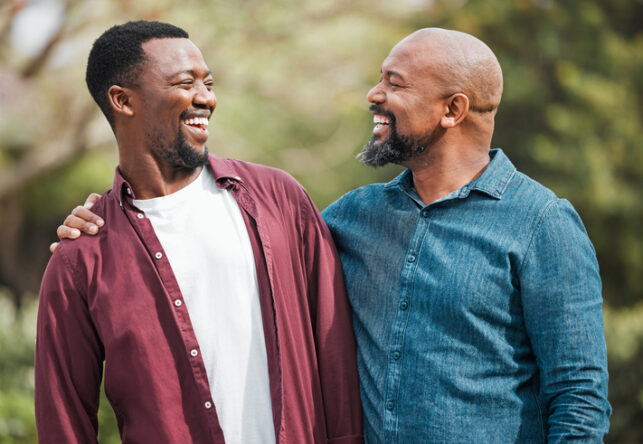
Confidence isn’t about being the loudest or most dominant person in the room. Often, it’s in the way a father carries himself—calmly, respectfully, and without needing to prove anything. Sons watch for that. They absorb whether confidence looks like kindness or arrogance.
They also learn how to deal with insecurity. If their dad masks fear with anger or puts others down to feel better, that becomes a blueprint. But if he’s honest about his limitations and still walks forward, that teaches true resilience.
8. How to work with pride or resentment
The attitude a father has toward work can shape a son’s entire approach to responsibility. If he treats work with dignity, even when it’s exhausting or thankless, sons learn that effort has value. But if work is always something to complain about, dread, or escape from, that lesson sticks too.
It’s not just about the job itself; it’s about the mindset. A son who sees his father take pride in showing up, even on the hard days, learns that purpose isn’t about status—it’s about how you carry what you do.
9. What love looks like in action
Big gestures are great, but it’s usually the small, everyday acts that define love. A father who makes tea in the morning, checks the locks at night, or remembers what his partner likes on their toast is giving a masterclass in thoughtfulness—without ever calling attention to it.
Sons watch those things and quietly learn what it means to love through consistency, not performance. They see that care isn’t always loud—it’s often quiet and reliable.
10. How to hold boundaries, or let people walk over them
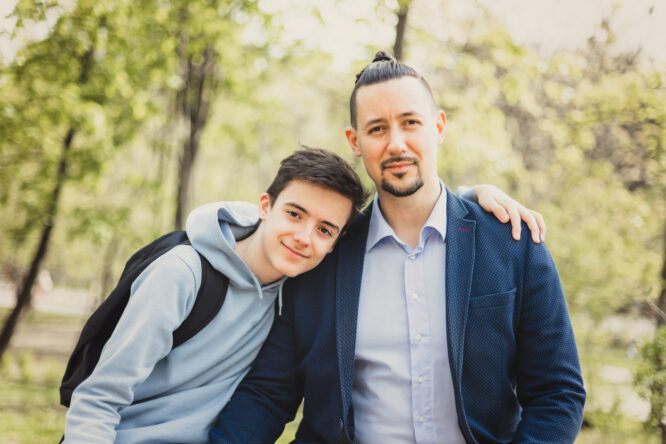
How a father enforces his own boundaries, or fails to, teaches a son what self-respect looks like. If a dad is constantly saying yes when he wants to say no, or avoids confrontation even when it matters, that behaviour sinks in. On the other hand, when a father sets clear limits while staying respectful, he’s showing that it’s possible to be kind and assertive at the same time. Sons who see this are more likely to protect their own energy later on.
11. Whether self-care is normal or selfish
Many boys grow up thinking rest is lazy and pushing through pain is noble. But if a father takes time to look after himself—eating well, taking breaks, seeing a doctor when needed—it sends a much healthier message. Sons learn that looking after yourself doesn’t mean you’re weak. It means you value yourself. That’s a lesson they’ll need when life gets hectic or health gets tested.
12. How to treat failure
When a dad messes up—whether it’s a job loss, a DIY project gone wrong, or something deeper—how he reacts shows a son what failure really means. Is it shameful? Is it a setback or a reset? That story sticks. Fathers who can admit defeat, dust themselves off, and try again show their sons that failure isn’t the end. It’s just a part of growth, and not something to run from.
13. What being “a man” actually means
There’s no one right way to be a man, but sons often grow up believing there is—usually based on what they saw at home. If a father was emotionally closed off, always in control, or never asked for help, that becomes the model. However, if a dad showed vulnerability, asked questions, listened as much as he spoke, and wasn’t afraid to laugh at himself—that shows a completely different kind of strength. One that’s far more human and whole.
14. How to parent—by copying or correcting

Even if a son grows up to do things differently, his father’s parenting style becomes the foundation—whether he builds on it or actively rewrites it. The way his dad handled discipline, affection, and mistakes all shape what “being a dad” looks like in his mind. Fathers who lead with both boundaries and compassion leave a powerful blueprint. But even the flawed ones leave a legacy, often becoming a son’s reason to choose better for his own kids someday.
15. How to carry yourself in the world
From posture to presence to how he speaks to a neighbour—sons absorb all of it. A father’s quiet confidence, his attitude toward the future, his opinions about other people—these things ripple out. They’re not just habits. They become part of how a son sees himself. Every dad leaves a legacy, whether he means to or not. And for better or worse, sons carry those lessons with them—into friendships, careers, and fatherhood of their own.