Social anxiety has a way of showing up in moments that seem effortless for everyone else.

You walk into a room, and your brain is already scanning, planning and worrying about things most people don’t even notice. Even simple interactions can feel loaded, and you spend half your energy trying to look calm while your thoughts race in every direction. That means your mind is working overtime in situations that ask a lot from you.
What people don’t see is the constant analysis happening behind the scenes. You’re thinking about how you sound, where you’re standing, whether you’ve said too much or too little, and how quickly you can make an exit without seeming rude. You might genuinely want to connect, but the pressure makes it harder to relax into the moment. These small internal battles can be exhausting, and they shape the way you move through social spaces. Anyone who deals with social anxiety knows exactly how that feels.
1. The crippling fear of being judged

It’s not just about not wanting to be the centre of attention. It’s the intense fear that every word you say, every move you make, will be scrutinised and analysed by everyone around you. You constantly worry about saying something stupid, embarrassing yourself, or simply not measuring up to other people’s expectations.
2. Overthinking every single conversation

Did you laugh too loudly? Did you make eye contact for too long? Was that joke a bit too awkward? You replay every social interaction over and over in your head, dissecting every detail and searching for potential flaws. It’s exhausting, but you can’t seem to stop yourself.
3. The constant urge to cancel plans

You might be genuinely excited about a social event at first, but as it gets closer, the anxiety starts to build. You find yourself coming up with excuses to cancel, even though you know you’ll probably regret it later. The fear of the unknown is simply too overwhelming.
4. The feeling of being an outsider

Even when you’re surrounded by people you know and love, you can feel like you don’t quite fit in. You see everyone else effortlessly chatting away and having a grand old time, and wonder why you can’t seem to do the same. It’s a lonely feeling, even in a crowded room.
5. The overwhelming physical symptoms

Social anxiety isn’t just a mental battle; it takes a toll on your body as well. You might experience racing heart, sweaty palms, trembling hands, or even nausea when faced with a social situation. It can feel like your body is betraying you.
6. The awkwardness of making eye contact

Looking someone in the eye can feel like baring your soul to the world. That’s why you constantly find yourself avoiding eye contact altogether or quickly glancing away. It’s not that you’re not interested; it’s just too much pressure, and you feel super uncomfortable.
7. The fear of small talk

Engaging in casual conversation can feel like an insurmountable challenge. You worry about running out of things to say, saying something inappropriate, or simply sounding boring. You’d rather have a deep, meaningful conversation, but even that can be intimidating.
8. The dread of eating in public

Whether it’s a formal dinner or a casual lunch with friends, eating in front of other people can be a nightmare. You worry about dropping food, spilling drinks, or making embarrassing noises. You might even skip meals altogether to avoid the anxiety.
9. The meticulous planning for even the most basic social event

You don’t just show up to a party or gathering. You spend hours, sometimes days, mentally preparing. You plan out your outfit, rehearse conversation starters, and even map out your escape route in case things get overwhelming. It’s a lot of work, but it feels necessary to minimise the anxiety.
10. The extensive post-event analysis

After a social event, you don’t just relax and unwind. You go into full-on post-mortem mode, analysing every interaction, every word you said, every facial expression. You worry about whether you offended someone, said something stupid, or simply made a fool of yourself. It can take days to shake off the anxiety.
11. The frustrating inability to say “no”

You often agree to things you don’t want to do, simply because you’re afraid of disappointing people or being seen as rude. You might end up overcommitting yourself and feeling overwhelmed, but the thought of saying “no” is even more terrifying.
12. The constant need for reassurance

You crave validation and reassurance from other people, even for seemingly insignificant things. You might ask friends and family if you did okay in a social situation, if you said something wrong, or if you look okay. It’s a way of trying to calm your inner critic.
13. The feeling of being misunderstood

People who don’t experience social anxiety often don’t understand what it’s like. They might think you’re shy, aloof, or even rude. It can be frustrating to try to explain the complex emotions and physical symptoms you experience.
14. The dread of phone calls

Answering the phone can feel like a life-or-death situation. You might let calls go to voicemail so you can mentally prepare for a conversation, or you might avoid making calls altogether. It’s just easier to communicate through text or email.
15. The exhaustion of constantly comparing yourself to other people
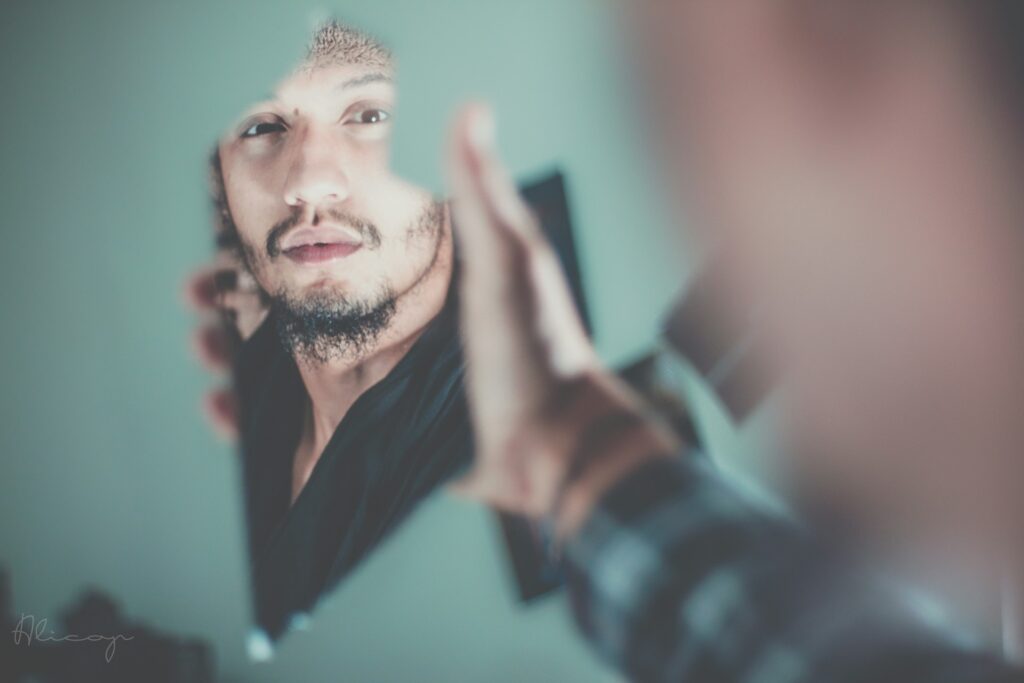
You compare yourself to those who seem to effortlessly navigate social situations, feeling inadequate and envious. You might think they have it all figured out, while you’re struggling just to get through the day. It’s a constant battle against your own self-worth.